
I played handball for a few months when I was around twelve. It was never my idea, a couple of cousins played, there was some family influence, and I ended up there. Between training days I was riding my bike, which is what I actually wanted to be doing. At some point handball stopped being worth showing up for, so I stopped going. The conventional sports vs extreme sports argument usually turns into people ranking them against each other, and that’s not what this is. They ask for different things. I only worked out which one I wanted after I quit the other one.
At a glance
Conventional sports run on structure, rules, a clock, a referee, an opponent who wants to win as much as you do. Extreme sports have none of it. The difference isn’t unpredictability, because a close match is as unpredictable as anything. It’s that in a game something is aimed at you the whole time, and on a mountain nothing is. Both are hard. They’re not the same test.
Table of Contents
What Are Conventional Sports Actually Built On?
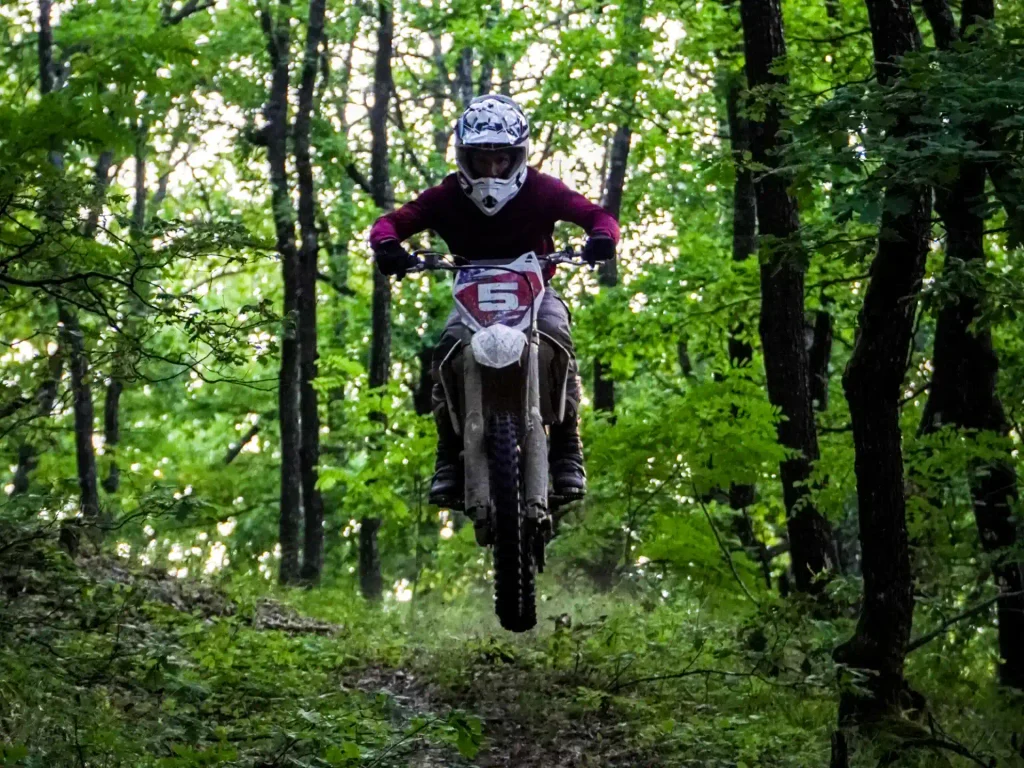
Conventional sports run on systems. Rules everyone agreed to before anything started. A referee whose whole job is making sure those rules hold. A clock that ends the thing whether you’re ready or not. Boundaries painted onto the ground. An opponent who wants to win exactly as much as you do and who is bound by all the same constraints you are.
That structure is what makes them work. Basketball is a great game because of the constraints, not in spite of them. Take away the shot clock and you get a worse sport, so the design is doing real work.
It also means the worst case is managed. People still get hurt, sometimes badly, but the entire apparatus around the game exists to keep risk inside a known range, which is exactly what it was built to do.
The thing I noticed later is that the structure also decides how much of the day is yours. In a game, the format tells you when to show up, how long it lasts, what counts, and when it’s over. You bring the effort. Almost everything else has already been settled by somebody else.

The Mountain Doesn’t Know You’re There
A downhill section doesn’t know you showed up. Neither does a climbing route, a dirt jump, or open water you’re swimming across. Nothing is keeping time. Nobody agreed to anything before you got there.
This isn’t about one being unpredictable and the other not. A basketball game is unpredictable. Every match is different, every opponent is different, nobody gets the same position on the floor twice. But all of that comes from people who are trying. They’re reading you, adjusting to you, making decisions with you in mind.
The mountain it’s not trying, it doesn’t want an outcome, and it would be exactly the same if you’d stayed home. You go out and you figure out what the day actually is.
That changes what a bad day means. When a match goes badly, somebody did that to you. They read you, they outplayed you, they made a better decision with thirty seconds left. When a descent goes badly, nothing did it to you. It was what it was before you got there, and you’re the one who turned up to meet it. There’s nobody to credit and nobody to blame.
None of that is a problem to be solved. It’s the reason I go. Most of my childhood was bikes, an old steel frame first, then a 24-inch, then a 26-inch, all of them heavy and none of them good. We built jumps in the the neighbourhood. Night rides through the city, the skate park, hours standing around with BMX riders and skateboarders who were better than us at everything. Nobody was organising any of it. You turned up and found out what the evening was going to be. It never felt like a sport I was doing. It was just how I spent my time, which is most of what separates this from something you have training days for.
Racing came out of that without me planning it. I bought my first real bike from a shop where one of the guys was racing downhill, asked if I could join, and that turned into a team and two national titles. I never passed anyone on a climb in my life. Everything I gained in races happened on the descents and the technical sections, where the course mattered more than the other riders did.
Who’s Chasing the Clock?
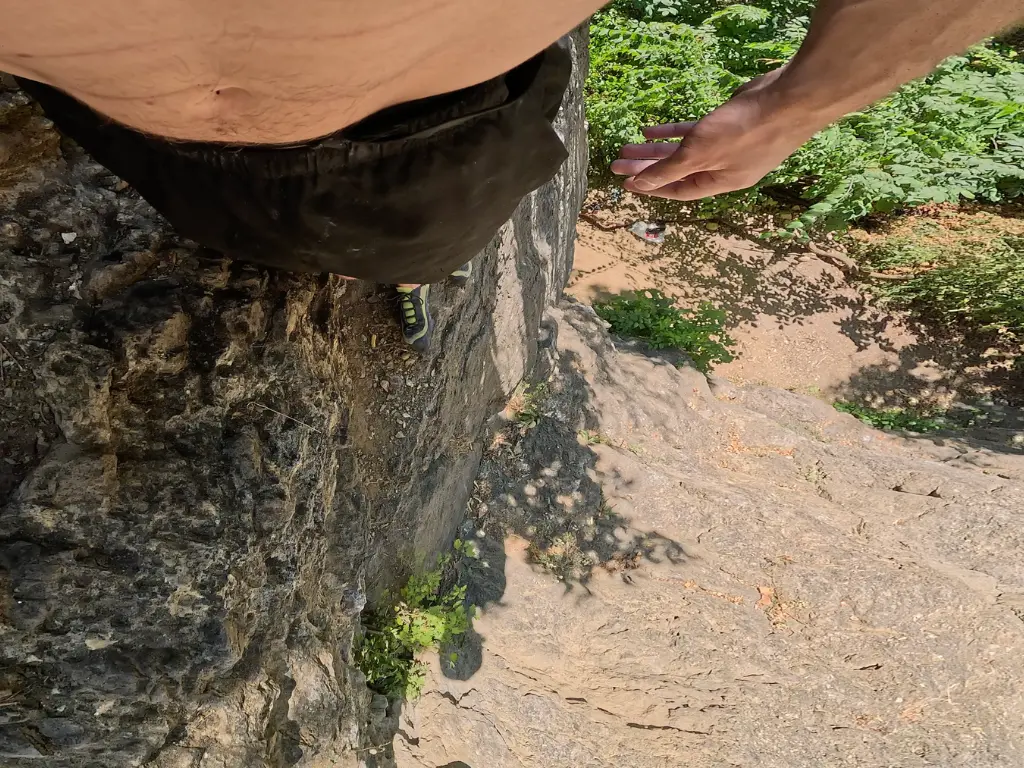
Handball, basketball, football, all of them run on a fixed clock. Sixty minutes, ninety minutes, four quarters. Whether it counts up or down doesn’t matter, because the end was set before anyone walked out and the game stops there whether you were finished or not. That limit was decided by somebody else, and it’s one more thing in the room you have to work around.
Downhill is timed too, and so is cross-country. The difference is that the clock isn’t ending anything and it isn’t doing anything to you. It’s a number you’re going after. You’re chasing the time, and in a match the time is chasing you.
Then there’s the part of this world with no clock at all. Slopestyle, dirt jumps, most freestyle snowboarding, nearly everything people actually film. Nothing counts down and nothing gets measured in seconds, style is the entire measure, which is a different thing compared to sports where a scoreboard settles it.
Is One Harder Than the Other?
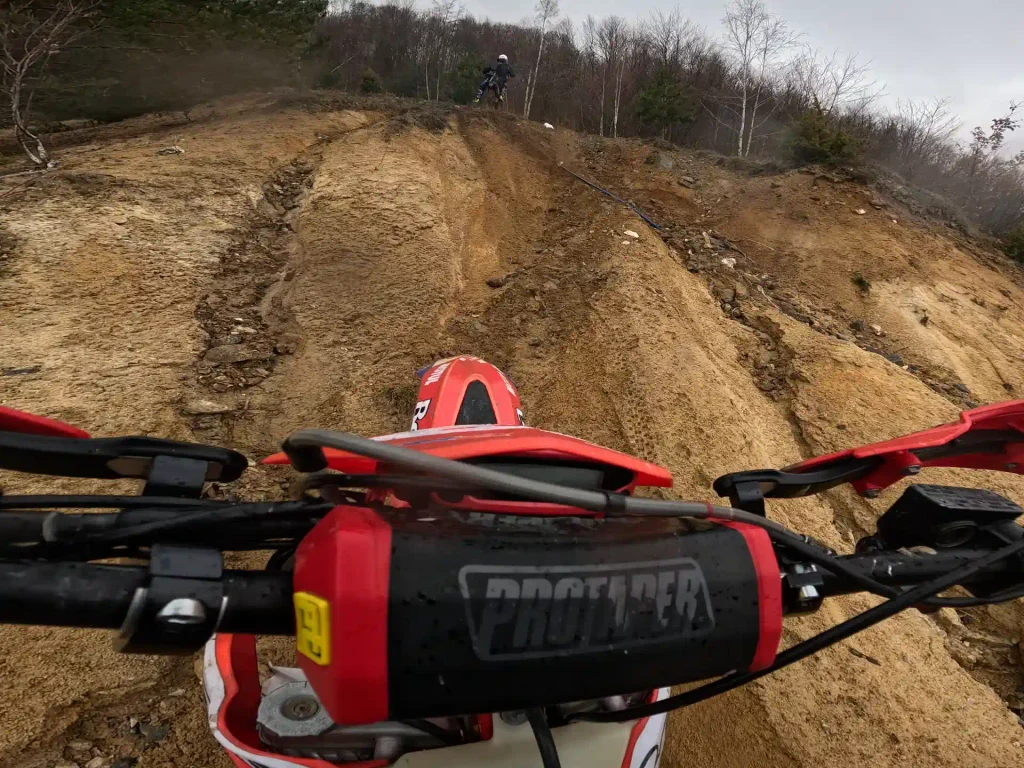
I should say plainly that I’m biased. I’ve spent my life in individual sports and that has shaped every part of how I see this. I’m not neutral about it and there’s no point pretending otherwise.
I have friends playing basketball and handball professionally. What they do is genuinely hard. It takes years, a body that holds up, and the ability to read nine other people in real time while moving at full speed. I couldn’t do it. I know that because I tried a small version of it and I was bad at it.
So this isn’t a ranking, and I’m not interested in making one. People sort themselves into the one that suits them, usually early and without thinking about it much. Plenty of riders I know would be lost in a team environment. Plenty of players I know would hate being alone on a mountain with nobody to pass to and no one to tell them when it’s over.
Both are real tests. They just ask for different things, and almost nobody is genuinely undecided once they’ve done both.
Frequently Asked Questions
What’s the difference between extreme sports and conventional sports?
Conventional sports are built around agreed rules, officials, time limits, and a human opponent operating under the same constraints. Extreme sports remove all of that. The difference isn’t difficulty or unpredictability, since a close match has plenty of both. It’s that a game is played against people who are reading you and adjusting to you, while terrain, water and weather aren’t engaged with you at all.
Are extreme sports harder than team sports?
No, and the comparison doesn’t really work. Team sports demand tactical reading, coordination with other people, and performance under direct pressure from opponents. Extreme sports demand self-management with no external structure holding the risk. They’re different skill sets. Plenty of elite athletes in one would struggle in the other.
Do extreme sports have a clock like team sports do?
Some do and some don’t. Downhill and cross-country are timed, but the clock is a target you’re chasing rather than something ending the session. In a match the clock counts down and finishes the game whether you’re ready or not. Slopestyle, dirt jumps and most freestyle disciplines have no clock at all, because style is what gets judged.
Why do people prefer extreme sports over organised sports?
For a lot of people it’s the absence of structure. No schedule, no selection, no one deciding when the session ends. You decide where to go and what to attempt, and the outcome depends on your own judgement rather than a referee’s call or a teammate’s decision. That level of ownership is the appeal.
I didn’t plan any of this. I was riding because I liked riding, and it kept turning into other things, racing, then snowboarding, then a dirt bike, then slacklines and bouldering. Nobody was steering it, and I’ve stopped trying to steer it.
That’s true of most people AFIELD writes about. They found something that asked for everything they had, and the thing doing the asking was never another person. If you already know that feeling, you probably recognise the pattern across whatever you do.
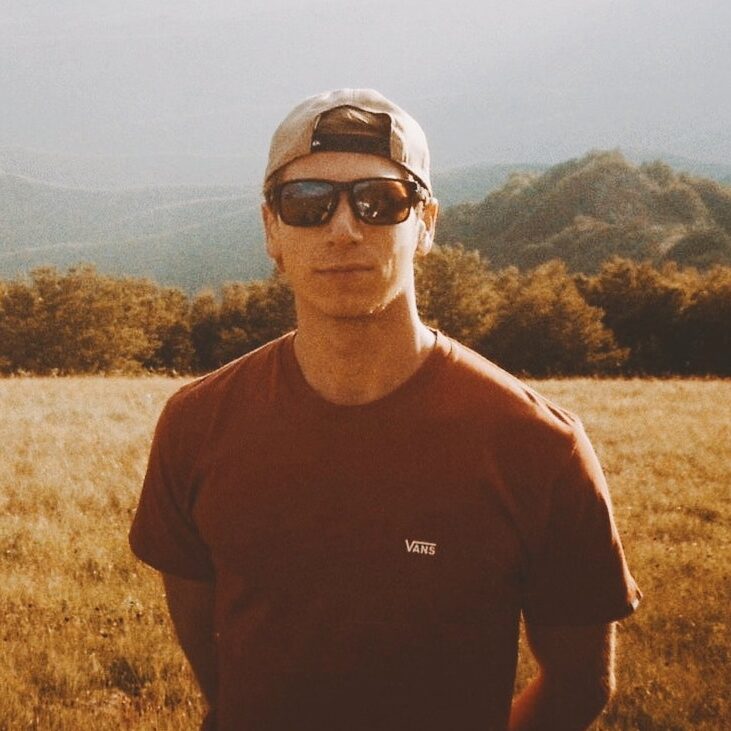
Filip Petreski is the founder of AFIELD and a multi-sport outdoor athlete. A two-time national cross-country MTB champion, snowboard instructor, and former dirt bike rider, he writes about the people, gear, and culture worth paying attention to in the outdoor world.