
Freeride is in the 2030 Olympics. Earlier this week, the IOC made it official, skiing and snowboarding debut at the Alpes 2030 Winter Games in the French Alps. Four medal events. Forty-four athletes. Natural mountain terrain. February 2030, Montgenèvre.
Thirty years in the making.
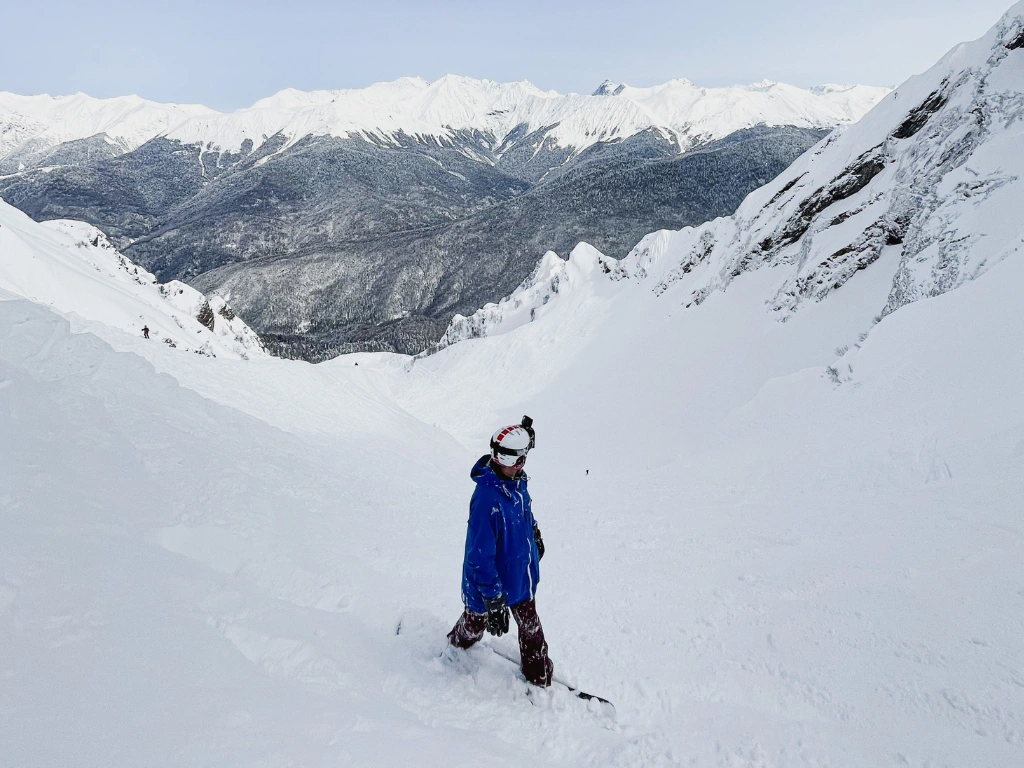
I snowboard when I can, Val d’Isère once, a catski day, whatever shows up. Recreational, nothing serious. But the reason I’m drawn to it is exactly this, finding your own line down an ungroomed face, or skinning up a peak and riding it back down. That’s freeride at its core, and now it’s in the Olympics.
At a Glance
The IOC Executive Board confirmed freeride skiing and snowboarding for Alpes 2030 on July 7, 2026. Four medal events, men’s and women’s ski and snowboard, with 22 athletes per gender. Venue: Montgenèvre, Hautes-Alpes, France. FWT-style big mountain format: natural terrain, athletes choose their own line, judged 0–100 on line, control, fluidity, technique, and air and style.
What Freeride Actually Is
Not freestyle. Not alpine. Something different.
In alpine skiing (slalom, downhill, giant slalom, super-G), every athlete takes the same groomed, prepared course and the fastest one wins. A clock decides. The terrain is identical for everyone, controlled, predictable.
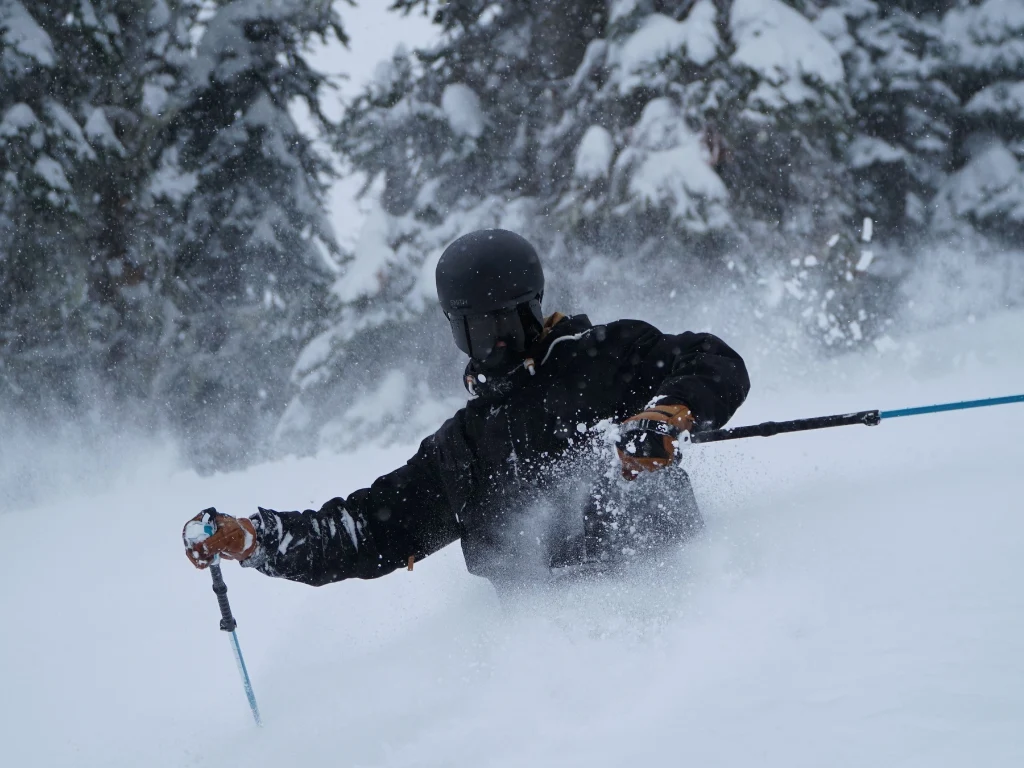
Freeride is the opposite. The mountain is untouched. No grooming, no course marking, no gates. Each athlete stands at the top of a natural face: cliffs, couloirs, powder slopes, chutes. They pick their own line down. One run. No second chance.
Judges score five criteria: line choice, control, fluidity, technique, and air and style, on a scale of 0 to 100. A run covers one to three minutes of exposure on terrain that takes real commitment to drop into. That’s the discipline.
It’s what you see in ski and snowboard films. Except it’s a competition.
Thirty Years From Verbier
The first freeride competition took place in 1996. Xtreme Verbier, Switzerland. A natural mountain face, a group of skiers, someone scoring it. That was the beginning.
The Freeride World Tour was formalized in 2008. FIS, the international ski and snowboard federation, acquired the FWT in 2022 and elevated freeride to an official discipline on the same tier as alpine skiing. The first FIS Freeride World Championships ran in Andorra in February 2026. Five months later, the IOC put freeride in the Olympic program.
The FWT’s statement after the announcement: “From the first Xtreme Verbier in 1996 to the inaugural FIS Freeride World Championships in 2026, three decades of riders, organizers and fans built this moment.”
That’s the right way to read it. This didn’t happen because someone at the IOC liked ski movies. The sport built the infrastructure, built the credibility, built the fanbase. The Olympics followed. Thirty years is a long time to wait. It’s also the only honest timeline.
Montgenèvre, February 2030
The venue is Montgenèvre in the Hautes-Alpes, grouped with the freestyle skiing and snowboard events. Alpes 2030 runs February 1–17, 2030.
Montgenèvre sits near Briançon, close to the Italian border. It hasn’t hosted Olympic competition before. La Grave, one of Europe’s most serious freeride mountains, was evaluated during scouting. Montgenèvre is what was confirmed.
Worth noting separately, Alpes 2030 is the first Winter Olympics with full gender parity across the entire program. The freeride program launched equal from day one. Twenty-two men, twenty-two women, same number of medal events.
The Names to Watch
Qualification criteria haven’t been announced. Four years is a long time and the field will shift. But the 2026 FWT season and the inaugural FIS World Championships in Andorra are the clearest signal of who’s at the top of this sport right now.
Victor de Le Rue won the 2026 FWT overall title in snowboard men. He has five FWT world titles, the most of any male snowboarder in tour history. He’s French. He’d be competing on home soil in 2030 if he qualifies.
Lou Barin won the 2026 FWT ski women’s overall title. Also French.
Mia Jones won both the 2026 FWT overall and the inaugural FIS World Championship title in snowboard women. Her reaction after the IOC announcement: “I’m really stoked freeriding is now part of the Olympics. The energy surrounding the Olympics is truly unlike anything else.”
Ben Richards from New Zealand won the inaugural FIS Freeride World Championship in ski men at Andorra with a score of 91.67. That’s the current benchmark for what a perfect competitive run looks like on the world stage.
The field is genuinely global. The qualification window hasn’t opened. But the riders who’ve been winning in 2026 will be the ones to track between now and 2030.
Why Does Freeride at the 2030 Olympics Actually Matter?
The IOC doesn’t add sports because they feel like it. They add sports that are growing, that have established governance, that photograph and broadcast well.
Their statement on freeride: “Freeride has experienced rapid international growth, benefitting from a strong youth fanbase and visually spectacular competition. It uses a natural field of play, which minimizes its impact on the Games.”
The FWT has more than 10,000 licensed riders and runs 300+ competitions annually across four continents. That’s not a niche. That’s a sport with global depth that just didn’t have the platform yet. It’s a pattern you see across outdoor sport, disciplines that build serious competitive depth before the mainstream catches up. What elite outdoor athletes at the top of their sport look like is rarely what casual observers expect.
A freeride run on a natural mountain face is one of the most watchable things in outdoor sport. Thirty seconds of exposure on a cliff band tells the whole story. You don’t need to understand the scoring to understand what you’re watching. It translates on broadcast immediately.
The French Alps are the right place for this. The FWT culture in Europe is serious. The terrain in the Hautes-Alpes is real mountain. February 2030 is four years out.
Freeride earned this. It just took a while.
Frequently Asked Questions About Freeride at the 2030 Olympics
When does freeride skiing debut at the 2030 Olympics?
Freeride skiing and snowboarding will debut at the Alpes 2030 Winter Olympics in the French Alps, running February 1–17, 2030. The IOC Executive Board confirmed the program on July 7, 2026. The venue is Montgenèvre in the Hautes-Alpes, grouped with the freestyle skiing and snowboard events.
What is the freeride format at the 2030 Winter Olympics?
Four medal events, men’s and women’s ski, men’s and women’s snowboard. Forty-four athletes total (22 per gender). FWT-style big mountain format, athletes descend a natural, ungroomed mountain face and choose their own line. One run each. Scored 0–100 on five criteria: line choice, control, fluidity, technique, and air and style. No timed element. The terrain is not modified or prepared.
Filip Petreski is the founder of AFIELD and a multi-sport outdoor athlete. A two-time national cross-country MTB champion, snowboard instructor, and former dirt bike rider, he writes about the people, gear, and culture worth paying attention to in the outdoor world.