
The Subaru Wilderness lineup is not a single vehicle. It’s a trim level applied to three different SUVs: the Crosstrek, the Forester, and the Outback, each built around the same idea, a practical, all-weather vehicle that can actually handle getting to the good spots. I’ve followed Subaru’s outdoor positioning for years, and the Wilderness trims are the first lineup I’d genuinely consider buying. Not because of the marketing. Because of what’s actually in the package.
The Subaru Wilderness covers ground clearance, all-terrain tires, reinforced roof rails, and dual-function X-MODE across all three models. Prices run from $33,795 for the Crosstrek to $44,995 for the Outback. That’s an $11,200 spread, and this article breaks down exactly what you’re paying for at each step.
At A Glance
The Subaru Wilderness lineup covers three models: Crosstrek ($33,795), Forester ($36,995), and Outback ($44,995) (Subaru.com, 2026)
All three share Yokohama GEOLANDAR AT tires, dual-function X-MODE, StarTex water-resistant upholstery, and raised suspension
The Forester Wilderness is the best value for space vs. price (my pick)
Key caveat: the Outback Wilderness’s underbody skid plates are optional extras, not standard. Know this before you order.
Table of Contents
What Does the Subaru Wilderness Package Actually Include?
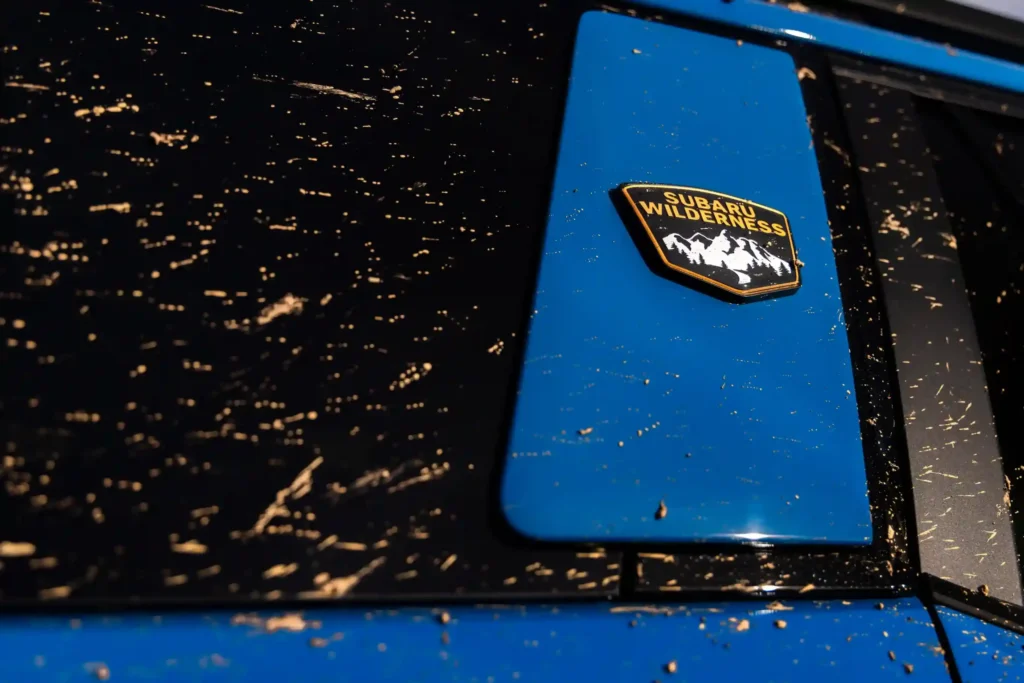
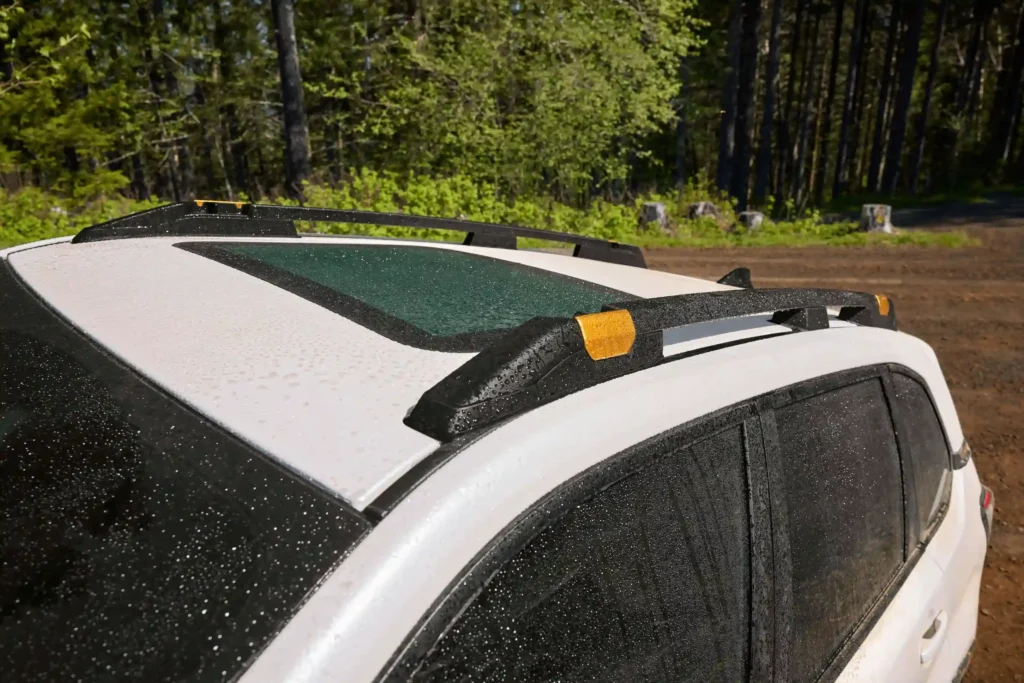
Every Subaru Wilderness model ships with the same core upgrades over the standard trim: raised suspension, Yokohama GEOLANDAR all-terrain tires, dual-function X-MODE, anodized copper-accented roof rails rated for rooftop tents, StarTex water-resistant upholstery, and hill descent control. Subaru buyer data via 4x4playground.com shows 70% of Outback Wilderness buyers list off-road capability as their primary purchase driver, compared to 30% for standard Outback buyers. That shift in intent shaped the entire package.
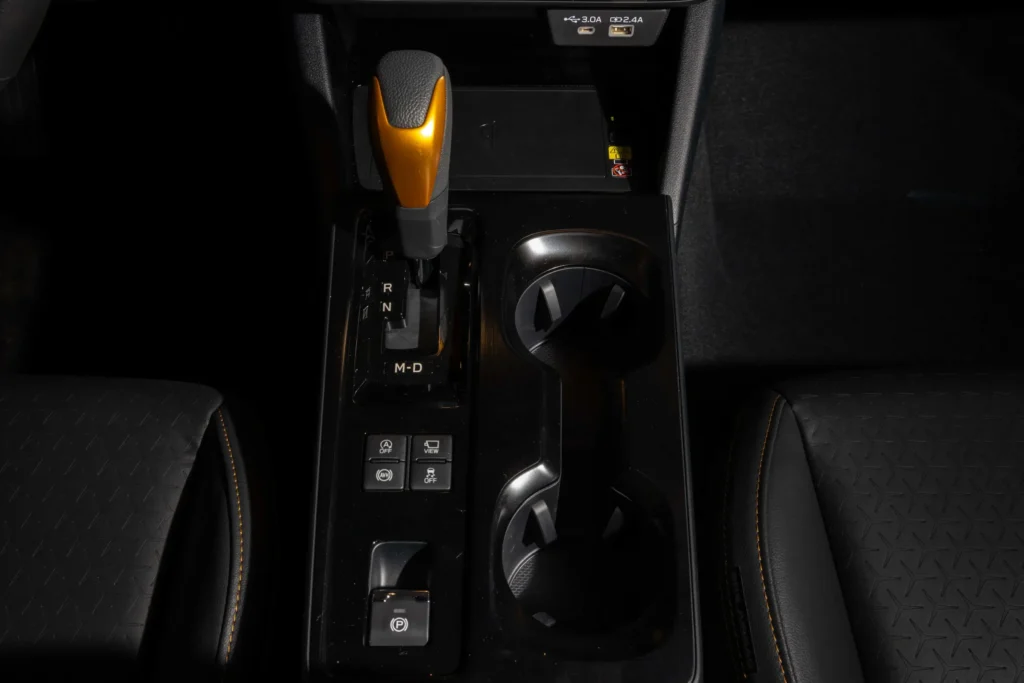
The X-MODE system is worth understanding before you sign. Standard Subaru X-MODE on non-Wilderness trims is a single-setting traction system. Dual-function X-MODE, standard on every Wilderness model, runs two distinct modes: Snow/Dirt for low-traction roads and packed gravel, and Deep Snow/Mud for loose terrain requiring controlled wheel slip rather than lock. It’s a real capability upgrade, not a badge rearrangement.
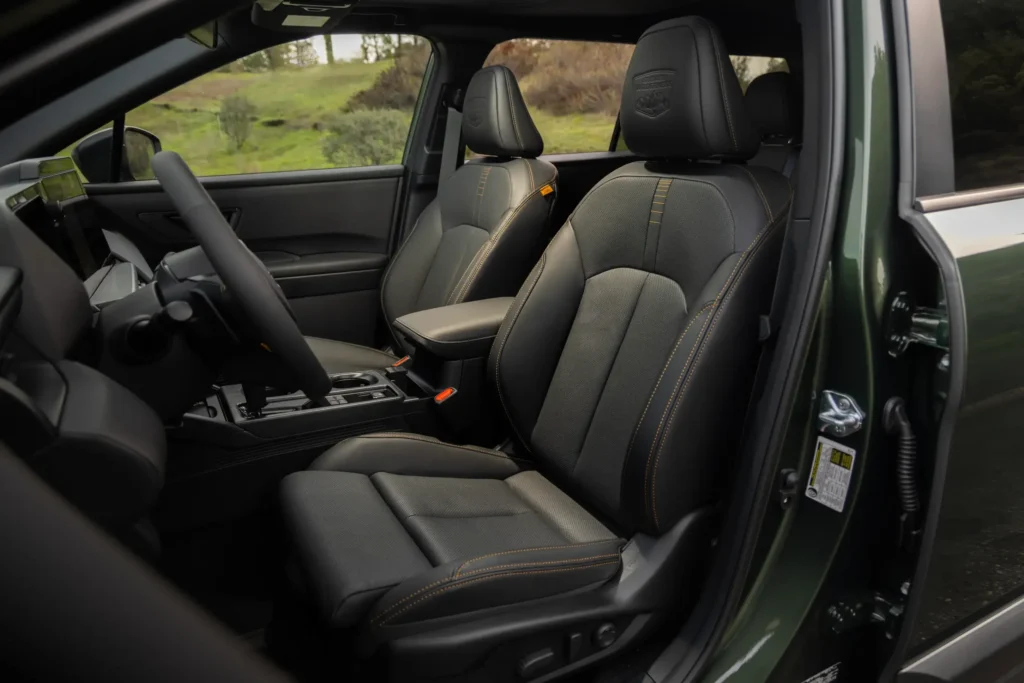
StarTex upholstery doesn’t get enough attention. It’s water-resistant and wipeable. Muddy gear, wet dogs, post-trail boots. That’s what it’s designed for. You’ll notice it on day 100 of ownership, not day one.
On skid plates: all three models include a front skid plate as standard equipment. The Outback adds complexity here, and I’ll cover that in its own section. The Crosstrek and Forester are straightforward.
Crosstrek Wilderness: Specs, Price and Who It’s For
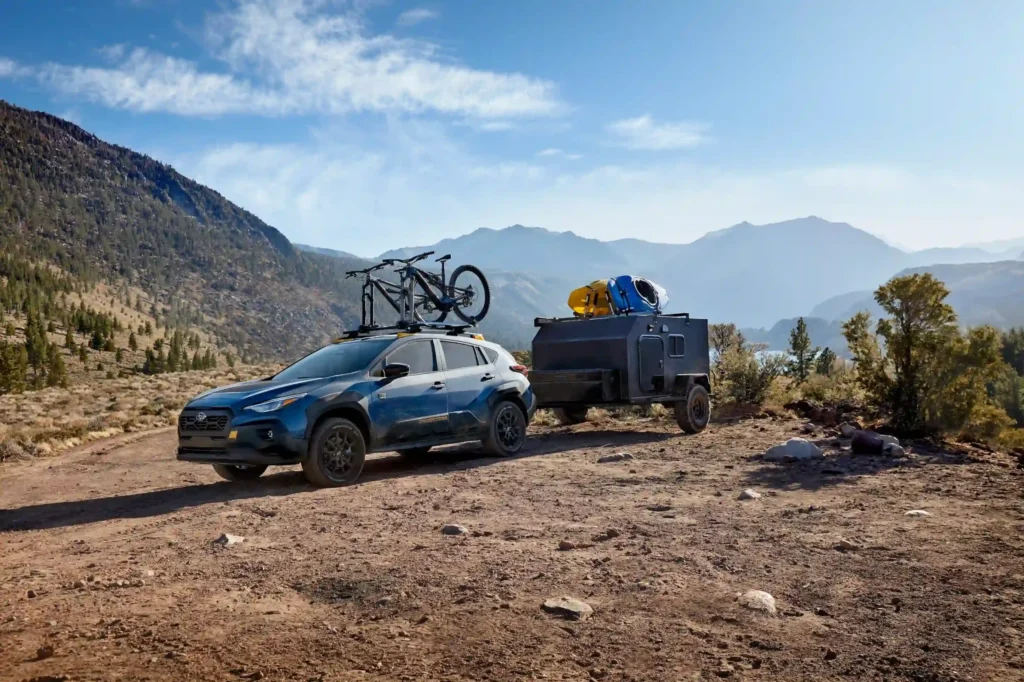
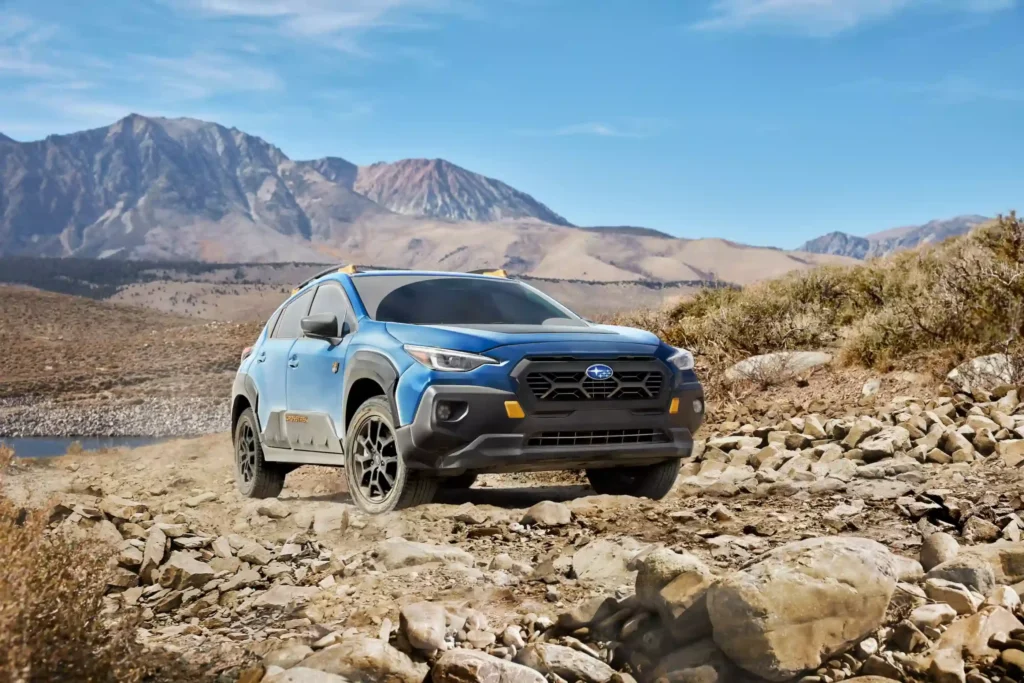
The Crosstrek Wilderness starts at $33,795 and is the entry point to the lineup. Power comes from a naturally aspirated 2.5-liter SUBARU BOXER producing 180hp. Ground clearance is 9.3 inches. It’s the smallest footprint of the three, and for solo travelers or couples who want genuine weekend capability without the size, it makes a lot of sense.
Roof rails are rated at 700 lbs static load. That’s 100 lbs lower than the Forester and Outback, which is worth knowing if you’re running a heavier two-person rooftop tent. Towing is 3,500 lbs across all three Wilderness models, and the Crosstrek gets 24 city / 29 hwy on the CVT. A hybrid option is also available for 2026 for buyers prioritizing fuel economy.
A friend of mine had a standard Crosstrek. Not the Wilderness trim. Just a regular one. She drove it constantly and loved it. The only reason she sold it was to buy a Corvette. That’s not a knock on the Crosstrek. If anything, it says something about the platform: the standard model is already that good, which tells you what the Wilderness adds on top of a foundation people genuinely enjoy.
The Crosstrek Wilderness does have a heated steering wheel, which the Forester Wilderness doesn’t. It does not come with a full-size spare; you get a temporary.
What the Crosstrek Wilderness Is Missing
The 700 lb roof rail rating (vs. 800 lbs on the other two) is the most relevant limitation for overlanding setups. The cabin is smaller than both the Forester and Outback, which affects gear loading on longer trips. There’s no turbo option. For a solo buyer who’s urban-based, wants this as a primary vehicle, and uses it for weekend trail access, the Crosstrek is the right call. For families or regular gear haulers, keep reading.
Is the Forester Wilderness the Best Value in the Lineup?
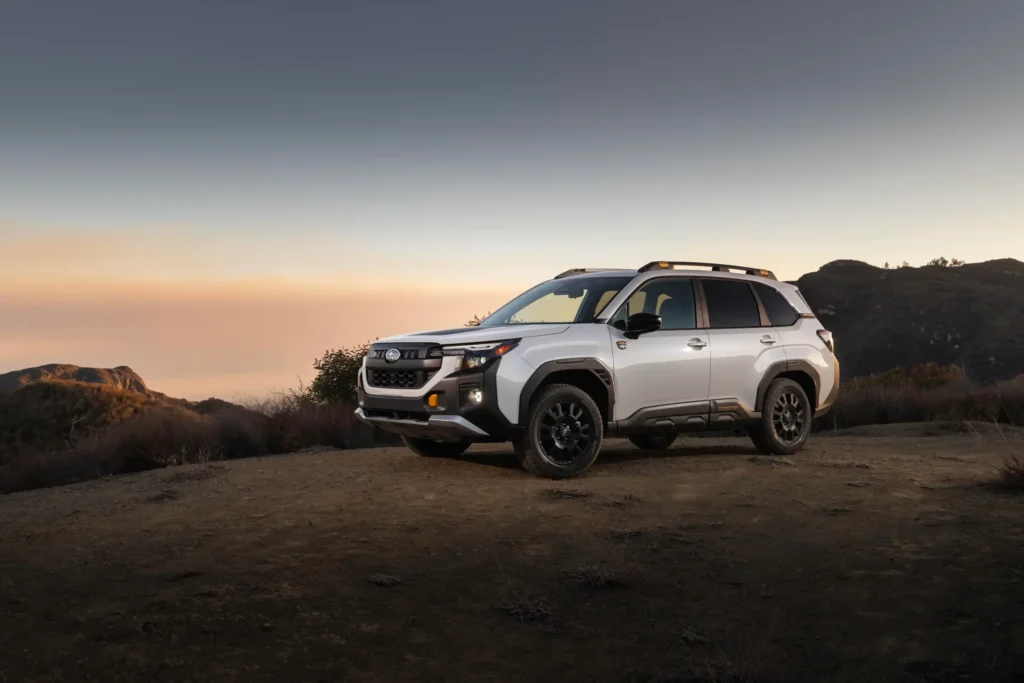
The Forester Wilderness sits at $36,995, which is $3,200 more than the Crosstrek. Same 2.5-liter BOXER, same 180hp, same 9.3-inch ground clearance. So why pay the difference? More interior space, 800 lb roof rails, more cargo room, and a revised Lineartronic CVT with a shorter final drive ratio new for 2026.
For most people reading AFIELD, this is the one that makes sense. It’s my pick. Not because it’s the most capable or the most expensive, but because the balance of space, price, and real-world usefulness is right for how outdoor people actually drive. I’ve tracked the Forester across several generations and the Wilderness trim is what makes the 2026 model worth considering over a standard Forester.
178 lb-ft of torque, 24 city / 28 hwy on the CVT, and enough cargo volume to pack for a multi-day trip without creative stacking. The 800 lb roof rails open up a wider range of tent setups.
One thing I haven’t seen flagged in any Wilderness roundup: the Forester Wilderness does not have a heated steering wheel. Both the Crosstrek and the Outback do. At $36,995, that’s the kind of spec gap that surprises people in February. Not a dealbreaker, but worth knowing before you finalize the order.
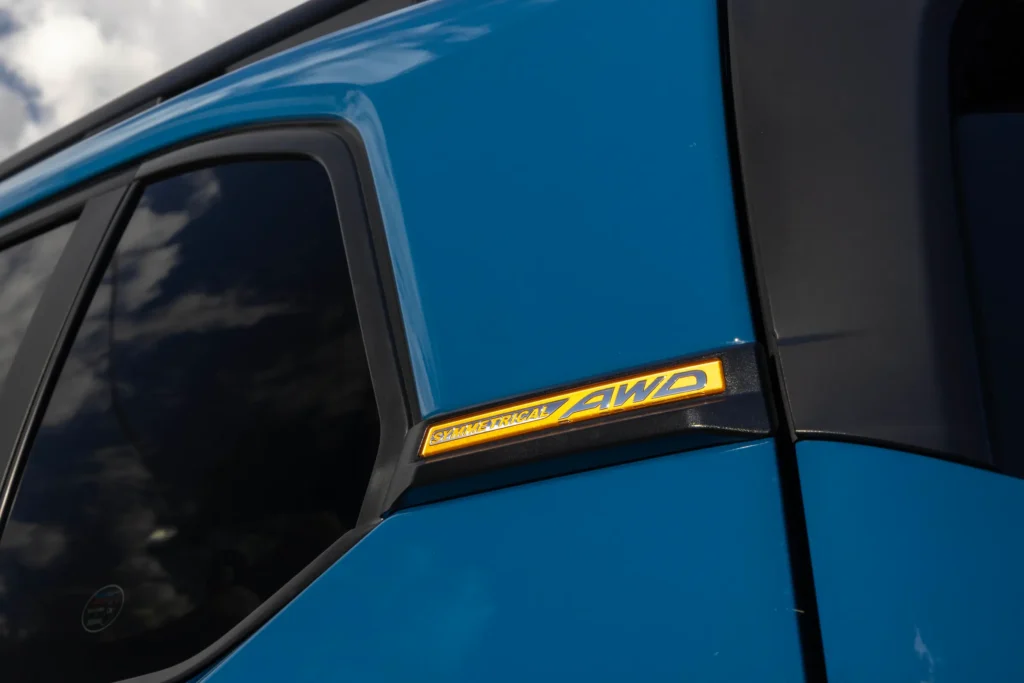
What Makes the Forester Worth the Upgrade Over the Crosstrek
Three things: 800 lb vs. 700 lb roof rails, more interior and cargo space, and the same towing and ground clearance for $3,200 more. That extra cost is buying cabin volume and roof capacity. If you’re running a tent and hauling gear regularly, the Forester earns the difference.
What Makes the Outback Wilderness Worth $44,995?
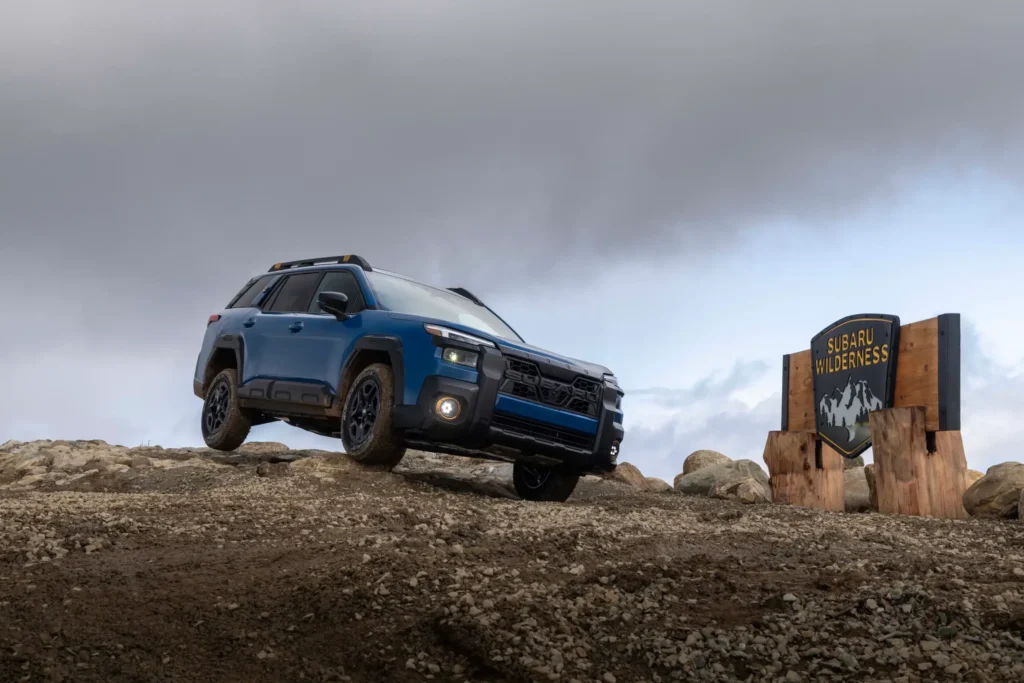
The Outback Wilderness is the flagship at $44,995. It’s the only model in the lineup with a turbocharged engine: 260hp from a 2.4-liter BOXER turbo. Ground clearance climbs to 9.5 inches, the highest in the lineup. And for 2026, adaptive dampers are standard, a real hardware upgrade that improves trail comfort and on-road refinement together.
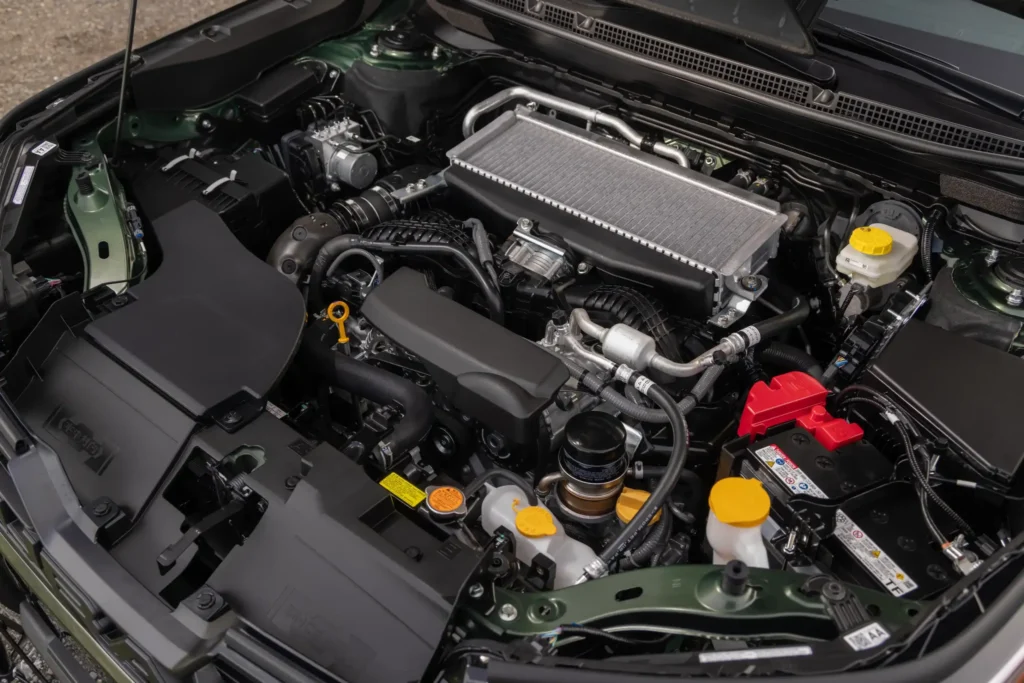
It’s also the only Wilderness model with a full-size matching spare. For remote trail driving where a flat means a real problem, this is a meaningful advantage. The Forester and Crosstrek give you a temporary spare. Fuel economy on the Outback is 21 city / 27 hwy. That’s the turbo tax, and it’s real.
The Skid Plate Issue: Read This Before You Order
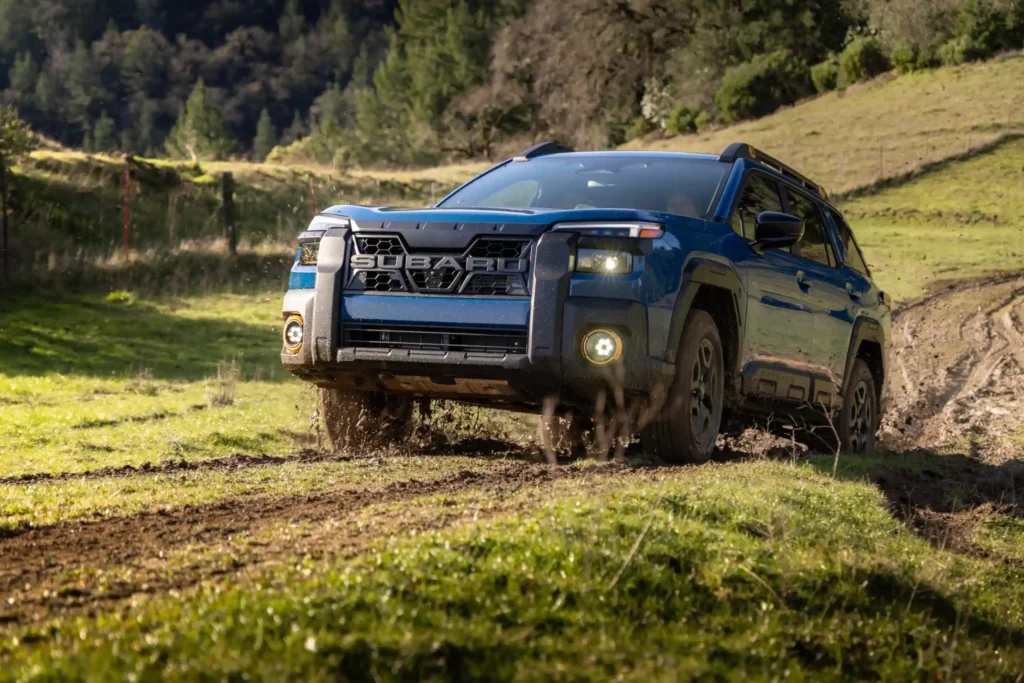
Important: The front skid plate is standard on the Outback Wilderness. Engine underbody, transmission, and fuel tank skid plates are optional extras. At $44,995, most buyers assume full underbody protection. It’s not included. Add the skid plate package at the dealer before you take delivery.
If you’re ordering the Outback Wilderness and planning serious trail use, add the underbody skid plate package at the dealer before you take delivery. Do this before you take it anywhere rocky. Not as an afterthought on the side of a fire road. This is the most important thing to know about the most expensive model in the lineup, and it doesn’t appear anywhere in the standard spec sheet.
Is the Outback Wilderness Worth the Premium Over the Forester?
80hp more, a turbo, and adaptive dampers make a real difference on highway approaches, loaded climbs, and long trail runs. The full-size spare is a genuine advantage for anyone going remote. But you’re spending $8,000 more than a Forester, fuel economy drops, and underbody protection isn’t complete until you add it. For regular trail driving or remote camping as a primary use case, the Outback earns the price. For mostly road use with occasional off-road, the Forester is the smarter spend.
What Does the Wilderness Package Add for Real Outdoor Use?
The specs are accurate, but the practical upgrades are what you’ll notice first. Here’s what actually matters when you’re using the vehicle the way a Wilderness buyer uses it:
Roof rails. A 700 to 800 lb static rating means a real rooftop tent is possible on all three models. These are load-tested ratings, not estimates. Most two-person tent setups land between 100 and 180 lbs, well inside the limit on any Wilderness model. The rails also carry a full bike setup without modification. The best enduro dirt bike post covers what typically goes up there.
GEOLANDAR tires. Yokohama GEOLANDARs are a meaningful upgrade over the standard Subaru rubber. You’ll notice the difference on snow, gravel, and mud before you ever touch X-MODE. No upgrade needed out of the box.
StarTex upholstery. Wipe it down. Mud, water, wet gear. It holds up. This matters far more at six months of ownership than at delivery.
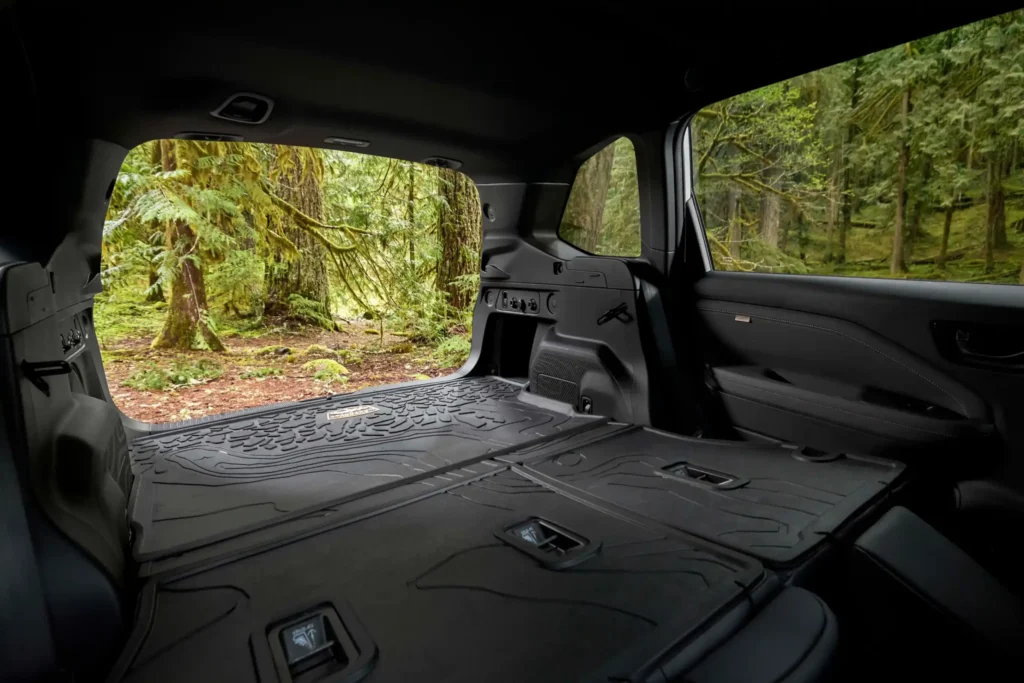
Car camping. All three models have enough flat floor space with rear seats folded for a sleeping platform. Aftermarket kits exist for each. It’s a real use case. For how to build a trip around it, the how to plan a weekend adventure guide picks up where the spec sheet ends.
The honest framing: 99% of Wilderness buyers drive primarily on roads. The tires, the chassis tuning, and the roof system make the daily driver better, not just the trail rig. The Wilderness package doesn’t try to turn a crossover into a truck. It makes a good Subaru better at everything outdoor people actually do with it.
Which Subaru Wilderness Should You Buy?
It comes down to how many people, how much gear, and how much you want to spend. All three models will get you to 95% of outdoor destinations. The differences are about comfort, cargo, and the last 5%.
Solo or couple, city-based, lower price priority, occasional trail use. Smallest footprint, still genuinely capable.
The sweet spot. Best value for space vs. price. Room for gear, 800 lb rails, works as a full-time daily.
Regular off-road, families, remote trips. Turbo + full-size spare. Add underbody skid plates before delivery.
If two wheels are part of the plan once you arrive, the Wilderness roof rails handle a full bike setup without issue. The mountain bike kit list covers the gear side once the vehicle’s sorted. And if the bigger goal is building a life around these kinds of trips, the jobs that let you camp and travel full-time piece covers how the income side of that actually works.
Frequently Asked Questions
How many horsepower does the Subaru Forester Wilderness have?
The 2026 Subaru Forester Wilderness produces 180hp and 178 lb-ft of torque from a 2.5-liter naturally aspirated SUBARU BOXER engine. The revised Lineartronic CVT for 2026 features a shorter final drive ratio, which makes the Forester pull harder on climbs than the horsepower figure alone suggests (Subaru.com, 2026).
How many horsepower does the Subaru Outback Wilderness have?
The 2026 Subaru Outback Wilderness produces 260hp from a 2.4-liter turbocharged BOXER. It’s the only turbocharged model in the Wilderness lineup. The 2026 model adds adaptive dampers as standard equipment. Together, these make the Outback the performance leader for highway pulls and loaded trail approaches (Subaru.com, 2026).
How many horsepower does the Subaru Crosstrek Wilderness have?
The 2026 Subaru Crosstrek Wilderness produces 180hp from a 2.5-liter naturally aspirated SUBARU BOXER. Gearing is tuned shorter than the standard Crosstrek for improved trail climbing. A hybrid powertrain is also available for 2026 for buyers who prioritize fuel economy over performance (Subaru.com, 2026).
Does the Subaru Outback Wilderness have skid plates?
The front skid plate is standard. Engine underbody, transmission, and fuel tank skid plates are optional extras at the $44,995 base price. Before taking the Outback Wilderness on rocky trails, add the full underbody skid plate package. Most buyers assume it’s all included. It’s not (Subaru.com, 2026).
How much can the Subaru Wilderness tow?
All three models (Crosstrek, Forester, and Outback Wilderness) are rated at 3,500 lbs towing. That covers a small trailer, dirt bikes, a lightweight camper, or a loaded cargo trailer. The tow rating is consistent across the entire lineup regardless of engine or price point (Subaru.com, 2026).
Does the Subaru Wilderness come with a roof rack?
All three Wilderness models include reinforced roof rails as standard. The Crosstrek Wilderness is rated at 700 lbs static load. The Forester and Outback Wilderness are rated at 800 lbs. These support rooftop tent setups; most two-person tents weigh 100 to 180 lbs, well within the rated limits (Subaru.com, 2026).
What is X-MODE on the Subaru Wilderness?
Dual-function X-MODE is a traction management system standard on all Wilderness models. It runs in two settings: Snow/Dirt for packed low-traction surfaces, and Deep Snow/Mud for loose terrain where controlled wheel slip outperforms wheel lock. Hill descent control is included with both settings (Subaru.com, 2026).
What tires come on the Subaru Wilderness?
Yokohama GEOLANDAR all-terrain tires are standard on all three 2026 Wilderness models. GEOLANDARs are a real AT compound, not all-season tires relabeled. Snow, gravel, mud, and packed dirt are all within their performance range. No upgrade needed for typical outdoor use (Yokohama Motorsports, 2026).
Conclusion
The Wilderness lineup is Subaru saying: here’s a sensible daily driver that doesn’t apologize for wanting to go further. All three get you there. The question is how many people, how much gear, and how often you actually leave the pavement.
My take is the Forester Wilderness for most people reading AFIELD. Not the biggest, not the most expensive, not the one with the turbo. But it has the space, the roof rails, and the platform to make outdoor trips work without being oversized for everything else. If you’re adding a rooftop tent and using this as a daily, the Forester makes sense.
If you’re buying the Outback, build the underbody skid plate package into the price at the dealer, before the keys change hands. And once the vehicle is sorted, how to plan a weekend adventure picks up where the spec sheet ends.

Filip Petreski is the founder of AFIELD and a multi-sport outdoor athlete. A two-time national cross-country MTB champion, snowboard instructor, and former dirt bike rider, he writes about the people, gear, and culture worth paying attention to in the outdoor world.