
The multi-sport athlete does MTB, snowboard, slackline, dirt bike, all of it. 91% of outdoor participants already do. This is who AFIELD is for.
The question always comes the same way. Someone finds out you ride MTB and they ask: “So you’re a mountain biker?”
You say yes. Then you mention the snowboard. The slackline last weekend. The dirt bike you used to have and might buy again, different shape this time, adventure instead of enduro. The bouldering gym. The wakeboard that one summer. The trail runs that happen when the legs want to move and there’s nowhere specific to be.
They pause. “So… what’s your main thing?”
There’s no good answer. Not because you’re scattered. Because the question has the wrong shape. The multi-sport athlete doesn’t fit a single category and that’s not a problem to fix.
Table of Contents
The Question Everyone Gets Wrong
The assumption behind “what’s your main thing?” is that serious people specialize. That depth means narrowing. That if you genuinely care about sport, you pick one lane and stay in it.
The data doesn’t back this up. A 2025 rapid review analysed 93 studies involving 62,327 athletes and found that early sport specialization is consistently linked to higher injury rates, worse psychological outcomes, including burnout and anxiety and no reliable long-term performance advantage (PMC, 2025). Eighty-eight percent of 2018 NFL first-round draft picks played multiple sports in high school. The best performers in some of the most competitive sporting contexts on earth got there by doing more, not less.
But this article isn’t really about that research. The people AFIELD is talking to aren’t thinking about optimizing a performance pathway. They’re riding MTB because they love MTB. Snowboarding because winter without a board is just cold. Slacklining because it’s hard and meditative and social all at once. The science only confirms what they already knew from doing it.
What the culture gets wrong isn’t the training logic. It’s the assumption that sport is only serious when it’s singular. According to the Outdoor Industry Association, 91% of outdoor recreation participants engage in more than one activity (OIA, 2025). The person who does everything isn’t a dabbler. They’re the majority.
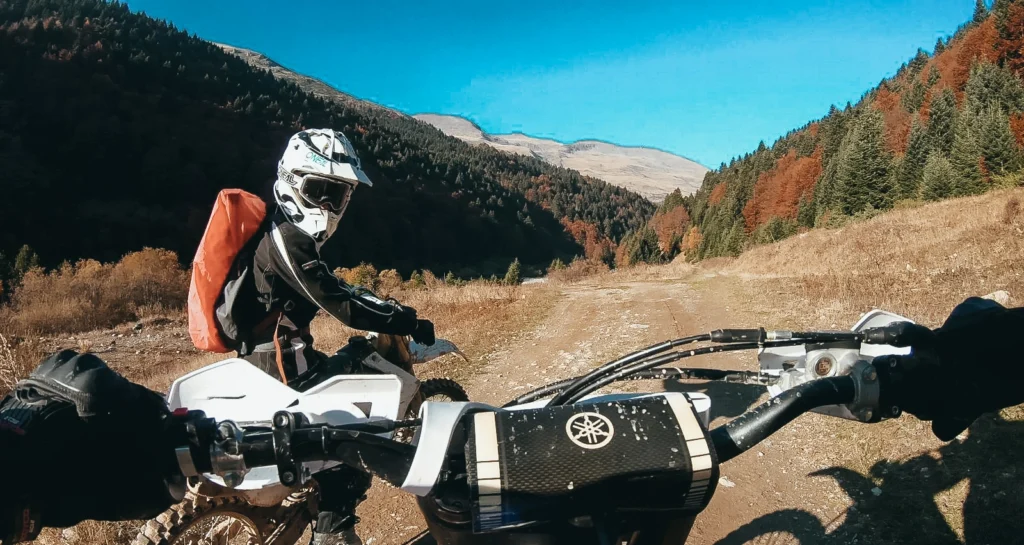
If dirt biking is already on your radar, we put together a full breakdown of 4-stroke dirt bikes, good reading before you start looking at bikes.
Fun Is Not a Justification. It’s the Point.
I wanted to do all of this since I was a kid. It was just a matter of when the opportunity came, when I could afford it, when the mountains were close enough, when someone said “you want to try?”
Mountain biking can be as hard as you want it to be. Technical, fast, demanding, that’s where I thrive. That’s where I raced and won national titles. But it’s also the sport I ride casually on a Tuesday morning through a forest, stop for a coffee, come home. That dual nature is what makes it the best.
Snowboarding I dreamed about for years before I ever tried it. Watched videos. Knew exactly what I wanted to do before I ever stood on a board. The first time I could afford it, I went, same mountains I’d already ridden bikes on, but a completely different world.
The freedom is specific, you go where you want, as fast as you want, and you can jump. Everyone on the slope is there to have fun. The whole atmosphere is warm. You fall, you laugh, you go again. I’d recommend it to anyone.
Slacklining under the trees in a city park, speaker on, friends around. It’s genuinely hard, but once it clicks, it’s something you want to do every day. It’s probably the best thing I’ve ever done for my core and my focus. The strength I built on the slackline showed up directly in my bouldering. Those things talk to each other.
Dirt biking felt inevitable. I’d ridden MTB on those same trails for years and kept thinking, what would this feel like on a dirt bike? When I finally tried it, I had my answer. You cover more ground, faster. It’s more physical than people expect, riding enduro demands real fitness. But there’s also the mechanical side. Engines, tinkering, working on the bike. I love that too.
Bouldering has been on and off, a few months at the gym, then a break, then back. Shoes and chalk bag, convenient, simple. I’ve been on real rock two or three times but mostly the gym. I haven’t been in a while. I think I have to get back.
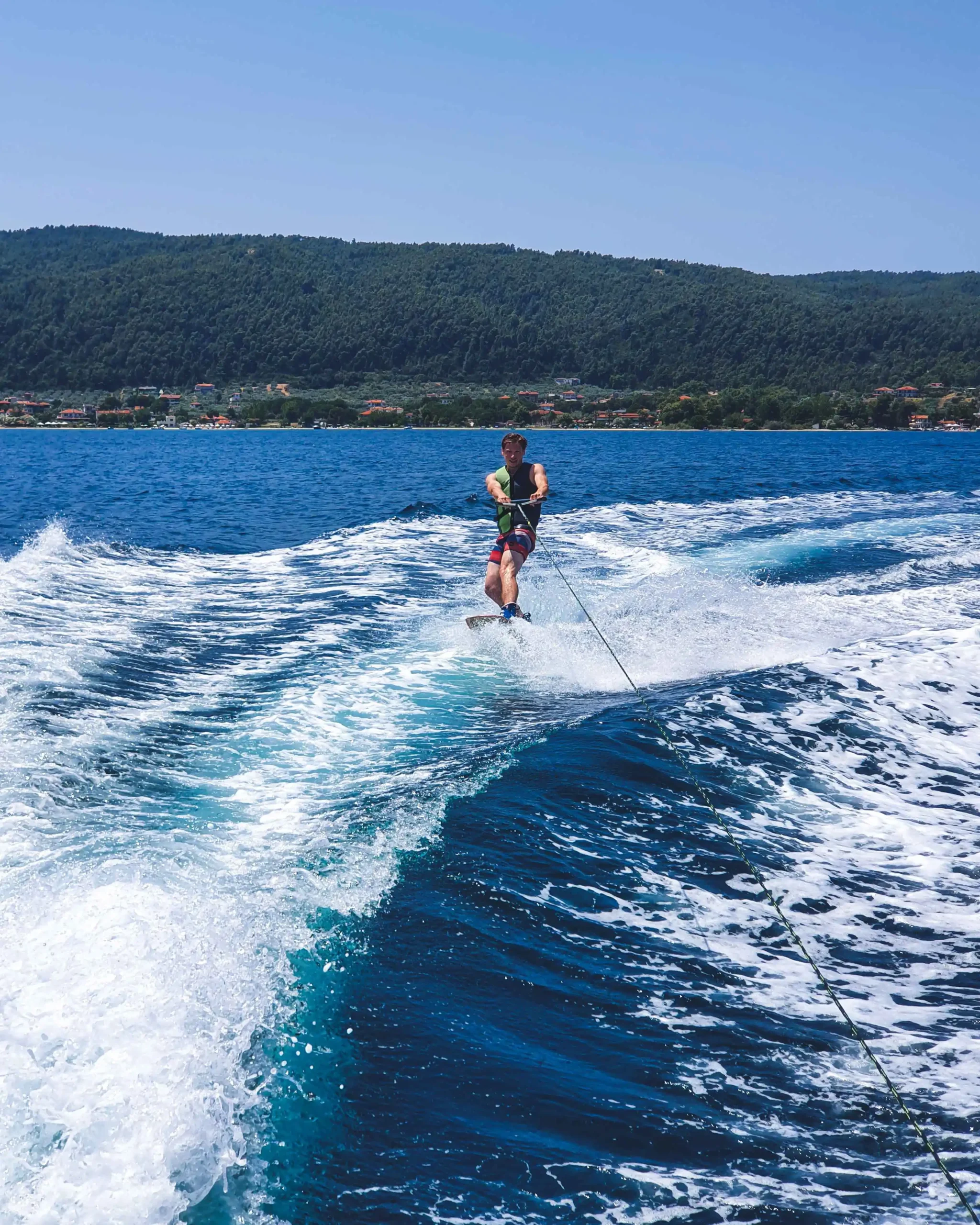
Wakeboarding happened once. I always visualize everything before I try something new, that’s just how I work, but getting up out of the water was harder than I pictured and it didn’t matter. You’re on a boat in summer. Everything is beautiful. It clicked, I got a ride, and I still think about surfing every single summer. Watch tutorials. Haven’t gone yet.
I don’t like riding in the rain. Let me be honest about that. If it rained before I go out, fine, the trail is what it is. But getting soaked mid-ride, cold, muddy and miserable, is not the feeling I came for. The feeling I came for is the other kind. And there are a lot of days like that.
There’s also the moment before the first snowboard day after a long summer, or the first dirt bike ride after months away, do I still got it? You always do. If you had it before, it’s in there. Muscle memory holds. The first run is awkward. The second one isn’t.
You spend a lot of time just to be average at some of these things. Dirt biking, snowboarding especially, you give everything and end up looking like someone who’s just figuring out the basics. That’s fine. Average at something hard still feels good. And it doesn’t stay average if you keep going back.
And If You Want to Compete – Do That Too
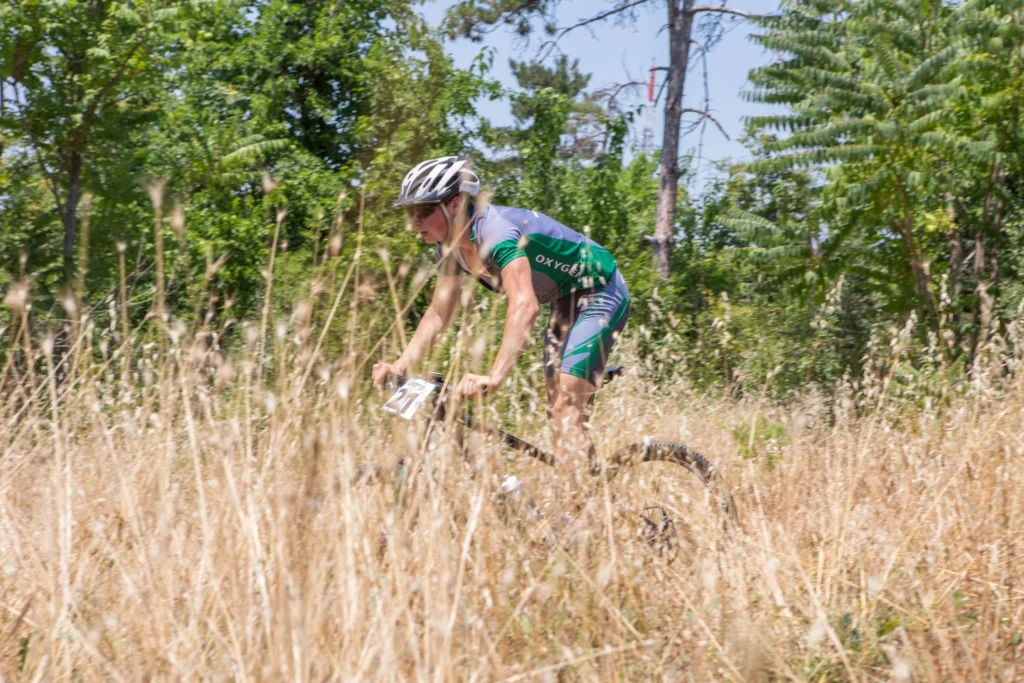
Nobody told me to stop doing the other things when I was racing. My support system knew who I was. I trained hard, I raced, I won two national MTB championships. The titles didn’t happen despite the rest of it. They happened alongside it.
If you want to compete, do it. Take the MTB seriously and enter a race. Run a trail event. Sign up for a triathlon. Put the focus there and find out what you’re capable of. You’ll get better faster. That’s true and I won’t pretend otherwise.
What I’ll also say is this, the multi-sport athlete can walk into almost any of these events and surprise themselves. The body awareness from years of MTB shows up the first time you ride a dirt bike on a motocross course, the terrain reading, the instincts, the style of riding carry over directly. Trail runners competed for Team USA in ski mountaineering at the 2026 Winter Olympics after months of crossover training (iRunFar, 2026). The skills don’t stay in one sport. They travel.
There’s also the adrenaline. The close calls, almost going over the bars, almost leaving the road, that fraction of a second when something nearly went wrong and didn’t. That activates something hard to find any other way. It reminds you what you’re doing and why.
Competition is a door. Some people walk through it. Some don’t. Both are valid. The ride itself is already the destination.
If you’re building the kit, our mountain bike gear guide is worth a read and if you want to understand why being outside hits differently, we covered that too.
This Is Who AFIELD Is For
The same kids who were skateboarding and riding BMX became the ones riding MTB and went Trail Running. Those same people ended up on snowboards, they were already on the mountains, saw people boarding, and went. As they got older and had more money and more room in their lives, a lot of them bought dirt bikes or adventure bikes. They started camping. They picked up climbing and bouldering. Same community, different chapters of the same story.
I was skateboarding before I was racing MTB. That’s where it started. The progression wasn’t random, it was one long curiosity about what’s possible outdoors, with any kind of terrain and any kind of equipment. I still want to try paragliding. I want to learn how to surf. Someone told me recently about exploring caves and I thought, that sounds incredible. When do we go?
I don’t want to drop anything. I just want to try more things.
AFIELD happened because I believe there are a lot of people like me in the world. People who ride MTB, snowboard, trail run, slackline, want to windsurf and can’t answer “what’s your sport?” without feeling like they’re leaving most of themselves out. People who want to camp and hunt and be outside in every way the outside allows. People who grew up moving from one thing to the next not because they couldn’t commit, because everything was worth trying.
Most outdoor publications are organized around a discipline. Pinkbike is for mountain biking. Snowboarder is for snowboarding. Trail Runner is for trail running. Those are great at what they do. AFIELD is for the person who reads all of them and still doesn’t feel fully covered.
Whatever I’m doing, riding, boarding, on a slackline, on a motocross, watching surfing tutorials and planning a trip I haven’t taken yet, I feel like I’m at home. That’s where I belong. That’s what I was meant to do.
If you recognize that feeling, you’re already one of us.
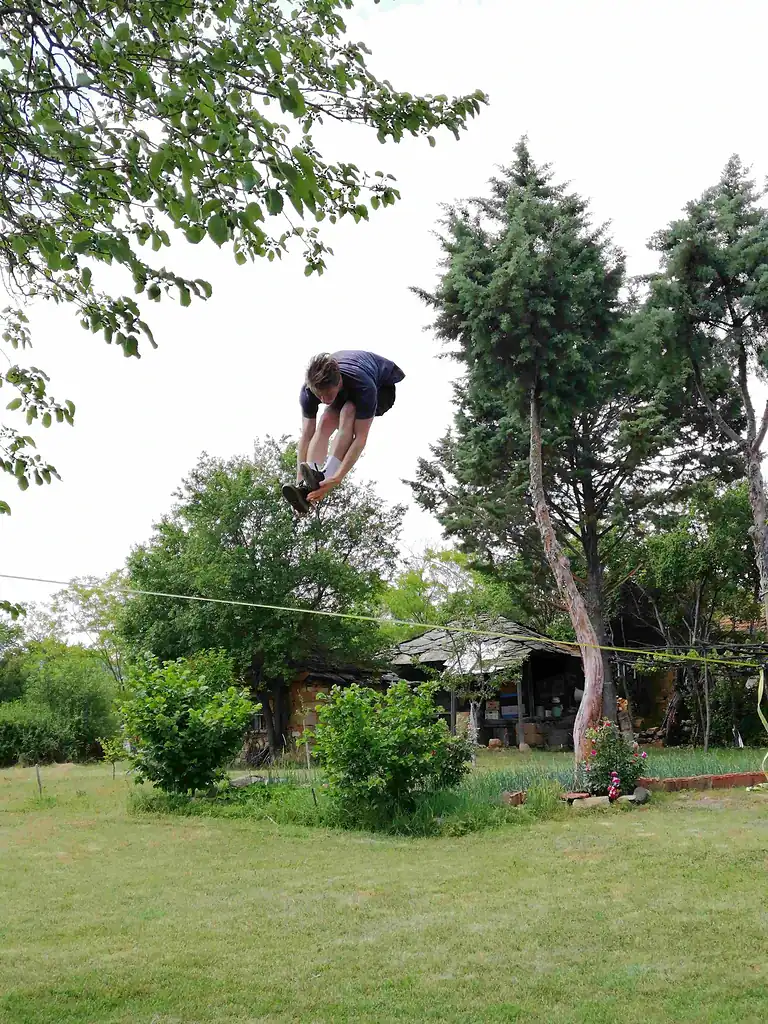
If you want to start slacklining, the Gibbon Jibline is the most versatile option out there and if you need convincing, here’s why slacklining is worth it.
Frequently Asked Questions
Do you have to compete to be a multi-sport athlete?
No. Competition is one path, not the definition. The person who rides MTB on weekends, snowboards in winter, and boulders at a gym on a Tuesday is a multi-sport athlete regardless of race results. Research across 93 studies and 62,327 athletes shows broad participation supports longer athletic careers than early specialization (PMC, 2025).
Can you actually get good at multiple outdoor sports?
Yes and faster than most people expect. Core strength, cardiovascular fitness, terrain reading, and body awareness transfer across disciplines. Slacklining builds what bouldering needs. MTB instincts carry into dirt biking. Trail runners competed at the 2026 Winter Olympics in ski mountaineering after months of crossover training (iRunFar, 2026). The skills travel.
What sports work best together for the flexible athlete?
MTB and trail running share terrain reading and cardiovascular base. Snowboarding and MTB share balance and body mechanics. Slacklining improves core and focus for everything else. Dirt biking and MTB share the same mountains and instincts. The natural cluster is MTB, snowboard, trail run, and slackline and from there, people move toward bouldering, kitesurfing, adventure bikes, or wherever curiosity points.
All of it is beautiful. Even when you’re average. Even when you get soaked halfway through. Even when you’re standing at the top of a run after a long break, asking yourself if you still got it.
You do. Go.
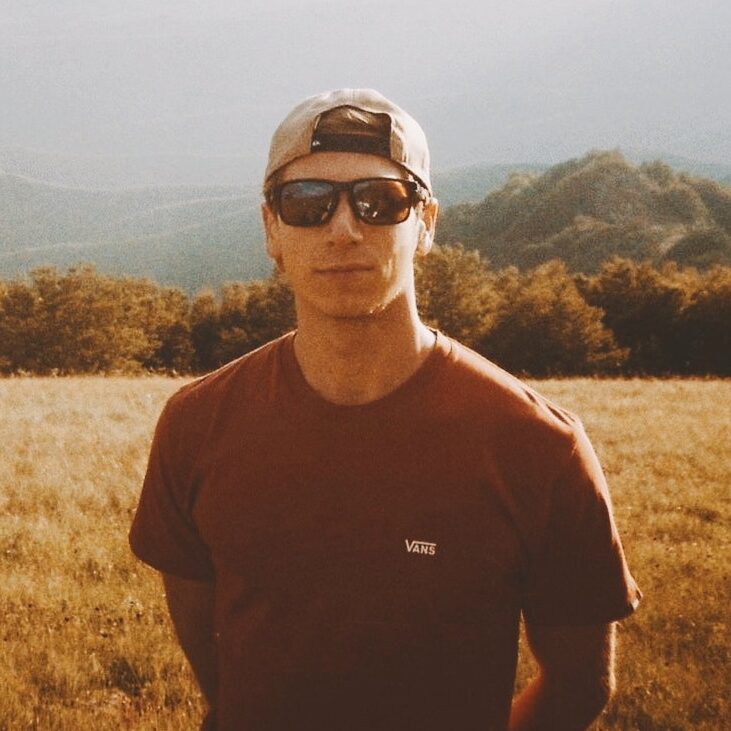
Filip Petreski is the founder of AFIELD and a multi-sport outdoor athlete. A two-time national cross-country MTB champion, snowboard instructor, and former dirt bike rider, he writes about the people, gear, and culture worth paying attention to in the outdoor world.