
Key Takeaways
Check the forecast before bed and again in the morning. Catch 2-3 cancellations a season that way.
Wind matters more than temperature. 50+ mph (80+ km/h) means don’t go. 30-40 mph (48-64 km/h) means think about it.
Layers work better than one thick jacket. Shell + hoodie + shirts lets you adjust on the fly
Table of Contents
The Night the Storm Won
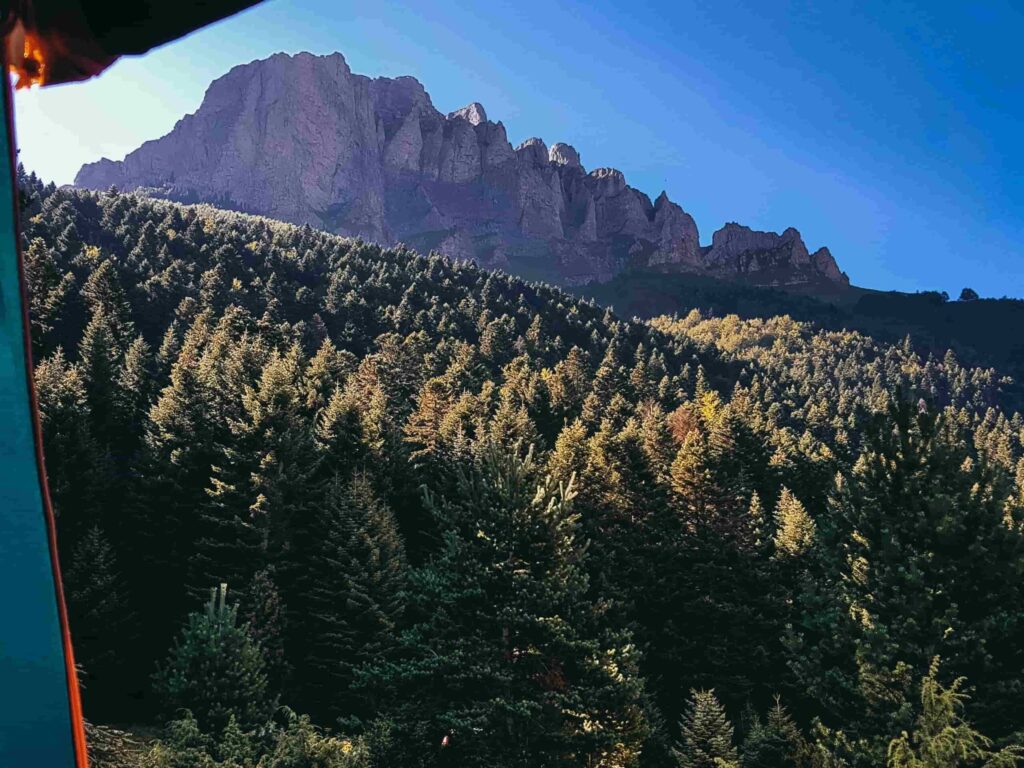
We were camped on a mountain. Small festival, good vibe, weather forecast said no rain. Around noon it shifted. By night it was pure chaos, lightning, wind pushing hard, rain that wouldn’t stop. My wife (girlfriend at the time) was terrified. Literally shaking. She wanted to leave. I told her there’s nowhere to go at night in a thunderstorm. Just lay down and wait it out.
We survived. Our tents survived. But when we woke up, I looked around and saw soaking gear everywhere. Other tents, sleeping bags, everything drenched. Our stuff was fine because we’d prepped differently. We stayed dry.
That taught me something simple: understanding how weather affects your outdoor adventure plans isn’t about being a weatherman. It’s about knowing what’s coming and adjusting before it hits. Most people don’t. That’s why they get soaked.
When Weather Changes Everything
Most outdoor injuries happen because people ignore what’s coming. Sixty percent of hiking accidents occur June through August (Kuru Footwear, 2025). Summer thunderstorms, heat, dehydration. Winter brings avalanches, 146 deaths in Europe in 2025-26, up 40% from the 20-year average (European Avalanche Warning Services, 2025-26). Nearly half of all hiking injuries are falls and slips, most triggered by wet or icy conditions (Kuru Footwear, 2025).
But here’s the thing: almost all of that is preventable.
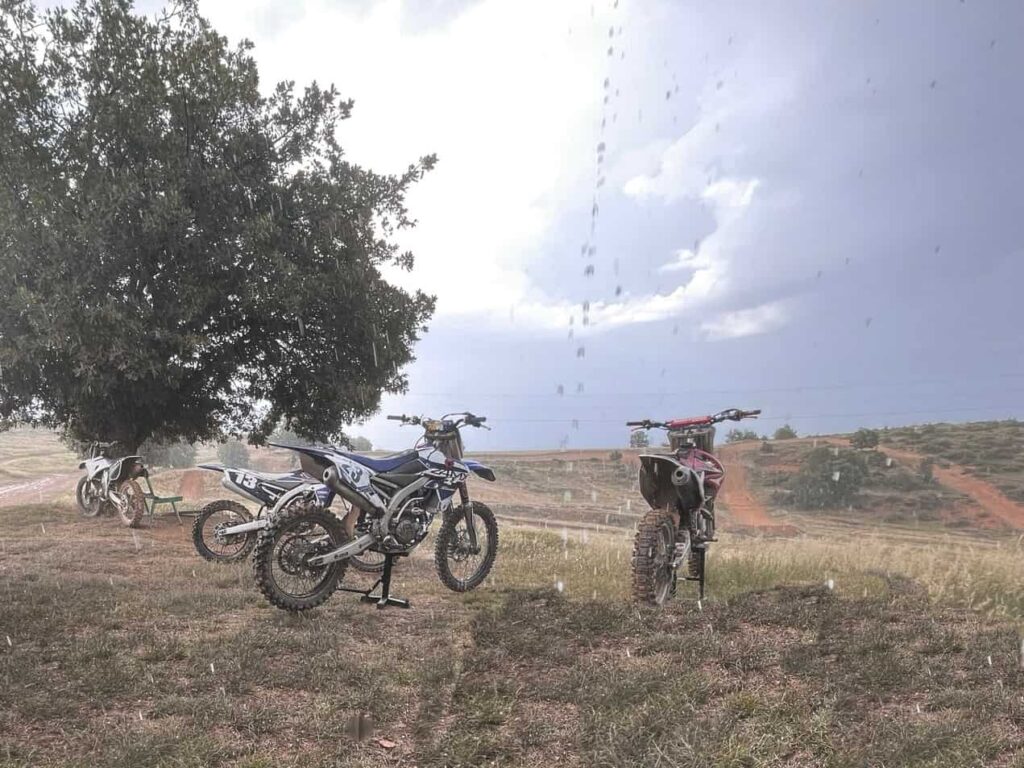
I’ve ignored weather forecasts. I’ve gone out when I shouldn’t have. Once, my friend and I decided to ride dirt bikes in the mountains despite the forecast calling for heavy rain. We told ourselves it would be fine. We convinced ourselves it would be fine. As soon as we fired up the bikes, it started pouring.
We went anyway.
About halfway up the mountain, my friend’s dirt bike got water in the spark plug. It started choking. We had to push a heavy dirt bike up a steep, wet mountain in a downpour, soaking wet despite wearing every protection we could think of. Long ride down with no traction, slipping, exhausted. We made it, but it was dumb and fun at the same time.
That’s the cost of ignoring the forecast and part of having fun.
Here’s the thing though, weather doesn’t stop you from going outside. It just changes how you prepare. Read Nature Therapy – How Spending Time Outdoors Improves Mental Health, the mental reset is worth respecting the conditions and going anyway.
How I Actually Use Windy and Snow-Forecast
I’ve been using Windy and Snow-Forecast for years. Not because they’re complicated. Because they work.
Snow-Forecast: Powder Forecasting
Snow-Forecast tells you when powder is coming. That’s the primary use for me. I check it to see when snow’s hitting and prepare accordingly.
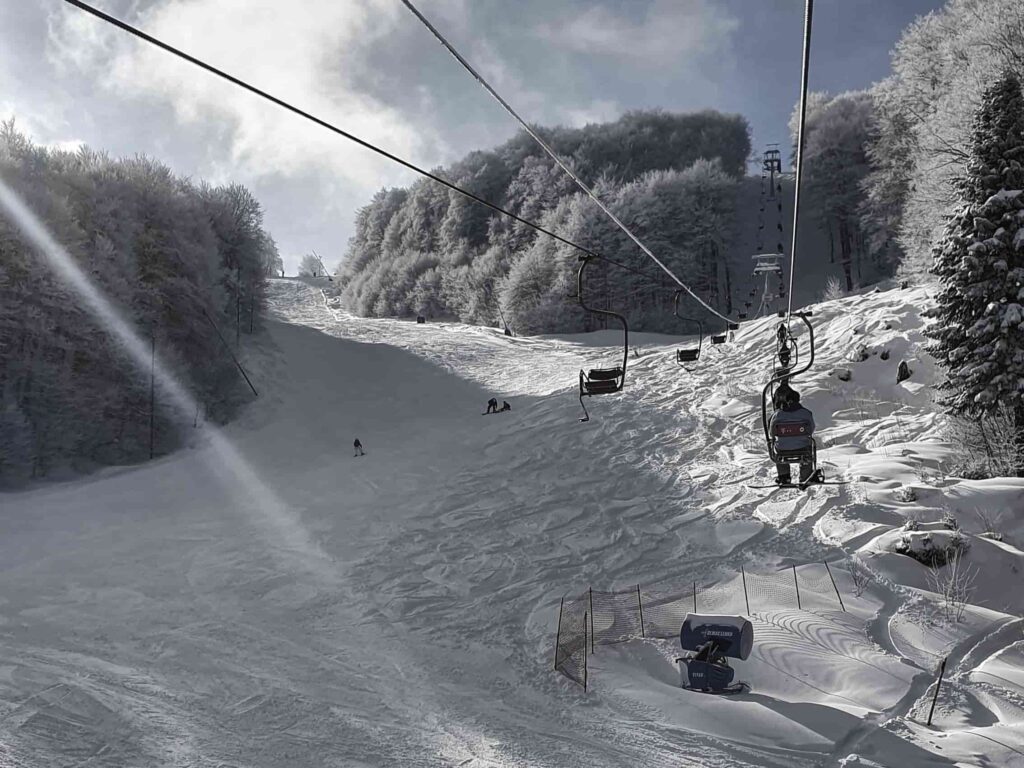
One mid-week, I was working from 6 PM to 2 AM. Brutal schedule. The forecast showed a significant snowfall coming. I prepped everything. Watched the forecast. When the storm hit, it was perfect. Fresh powder everywhere. Best of the season, maybe. That timing only worked because I was reading the forecast days in advance and actually preparing for it.
I check Snow-Forecast before bed to see what’s changing, then again in the morning to confirm. That routine caught maybe two or three cancellations a season because conditions got worse overnight. Snowfall forecast that looked okay became rain by morning. Wind picked up. No point going.
Windy: Wind, Rain, Summer Conditions
Windy is different. I use it more for spring and summer, anything that’s not snow. It’s incredibly detailed. Pilots use the paid version. Free version is more than enough for what I need.
Windy shows wind direction and speed, precipitation timing, temperature trends. The detail lets you separate signal from noise. You learn what to ignore and what matters.
Wind is the first thing I check. Under 30 mph (48 km/h)? The session’s happening. 30-40 mph (48-64 km/h)? I think about terrain exposure. Over 50 mph (80 km/h)? I’m looking for alternatives. That threshold applies across sports.
One summer, my friend and I decided to ride dirt bikes on the same mountain where we’d gotten rained on before. This time the forecast looked good. No rain predicted. We didn’t check wind.
We should have.
The wind was insane. I mean, we literally had to lean sideways just to go straight, otherwise the wind would push us off line. That wasn’t a fun ride. That was a fight against the elements the whole time. Could’ve been avoided by spending 30 seconds checking Windy.
The Decision Framework: Should You Go?
Here’s what I actually do.
Before Bed
Check the app. See if anything changed. Things change fast on big mountains. A forecast that looked solid at 5 PM can shift by 10 PM. You need to know before you sleep so you’re not surprised in the morning.
Morning
Check again. Confirm everything looks right. If it doesn’t, if conditions got worse overnight, if the forecast shifted, if rain’s coming when it wasn’t predicted, cancel. No point going if you’re going to snowboard into rain, or if wind’s picking up to dangerous levels, or if the avalanche forecast changed.
I’ve cancelled two or three times when conditions deteriorated overnight. It’s the right call every time.
Decision Thresholds
Wind Speed Decision Framework for Outdoor Activities
Wind is not a suggestion, it’s a decision. Here’s how I think about it:
Under 30 mph (48 km/h): Go. Green light. Weather’s fine.
30–40 mph (48–64 km/h): Go with caution. Think about terrain. Are you exposed? Above treeline? Shift to protected terrain or accept the risk.
40–50 mph (64–80 km/h): Assess your exposure carefully. Above-treeline activities are difficult. Valley riding is manageable. It’s a call based on where you’re going.
Over 50 mph (80 km/h): Cancel or shift plans entirely. That’s dangerous. It’s not worth it.
Other Decision Factors
Precipitation timing – Summer afternoon thunderstorms hit fast. Winter can dump snow all day. Check when it starts and when it ends. That window matters.
Temperature – Matters less than wind, but it tells you what to bring. Not what determines if you go.
Visibility – Low visibility (fog, heavy snow, rain) changes route difficulty. A familiar trail becomes harder. Plan accordingly.
Tolerance, Preparation, and Knowing Yourself
Here’s something most weather guides don’t tell you: How tolerant you are matters as much as the forecast.
I’m naturally tolerant of conditions. Tall, don’t mind being uncomfortable, most of the time I just go without checking the weather. My friends? Some are the same. Some aren’t. Some get terrified in a thunderstorm. Some get cold easily.
Knowing yourself matters. Knowing your friends matters. Preparation is the middle ground where tolerance meets reality.
When You Can’t See Anything
I’ve been on snowboarding runs where the visibility was so bad I couldn’t see my own snowboard pushing through the snow. That’s how I knew I was moving, by looking down. No sense of speed, no sense of environment, no sense of direction. Just white. One person in front of me, barely visible.
My friend and I stayed close together. Really close. Because if we got separated in that fog, we’d have no way to find each other. We knew the terrain, so we knew approximately where we needed to go. But “approximately” when you can’t see 10 feet (3 m) ahead is terrifying.
We made it. But it was only because we knew the mountain and we stayed together and we didn’t panic.
That taught me, knowing terrain saves your life. Visibility matters. And sometimes the bravest thing is admitting you don’t know the mountain well enough to ride it in fog.
What Actually Works: Gear and Food
Forget the complicated gear lists. Here’s what actually works.
Layers Over Bulk
I don’t love big jackets. Never have. I want to be as light as possible. So I layer, couple of base shirts, then a hoodie, then a shell jacket. That way I can adjust my temperature on the fly. Too hot? Pull off the shell. Getting cold? Add the hoodie back. That flexibility beats one super-thick layer that either roasts you or leaves you freezing.
The shell is the key piece. It blocks wind. That’s what matters in bad conditions.
I’ve ridden in everything from powder to pouring rain to sideways wind. The shell + layers system works better than anything else because you control your comfort. One thick layer? You’re stuck.
For a deep dive into what experienced riders actually carry, check out my MTB Kit List.
Food: Quantity Over Pickiness
I’m not picky about food. What matters is quantity and high calories. Snack bars go with me always. Beyond that, berries, dried grapes, almonds, whatever mix I can grab. Plus a sandwich from home or a bakery on the way.
That holds me for most sessions. The point isn’t gourmet. The point is having enough calories so your body can stay warm and function. Your body burns energy in cold. Feed it.
Winter is different from summer. In summer you need water. Tons of water. But in winter? Food is what saves you. You can’t forage in snow. You can’t find berries. You have to bring it.
Seasonal Outdoor Activity Risks
Citation Capsule: Summer outdoor recreation coincides with peak injury season (60% of hiking accidents June-August) and record heat-related illness (3,300+ ED visits in North Carolina May-July 2025 alone), making hydration, sun protection, and afternoon storm awareness critical preparation steps (NCDHHS, 2025).
Citation Capsule: Summer outdoor recreation coincides with peak injury season (60% of hiking accidents June-August) and record heat-related illness (3,300+ ED visits in North Carolina May-July 2025 alone), making hydration, sun protection, and afternoon storm awareness critical preparation steps (NCDHHS, 2025).
The difference? Preparation. Knowing what’s coming. Adjusting before you leave. Checking the forecast. Making the hard calls to cancel when you should.
Frequently Asked Questions
What’s the difference between Windy and Snow-Forecast?
Windy shows general weather patterns (wind, precipitation, temperature) across all seasons. Snow-Forecast specializes in alpine snow depth, wind-chill, and elevation-specific conditions. I use Snow-Forecast to forecast powder and timing. I use Windy for everything else. Use both in winter; Windy alone works fine in summer.
How far in advance should you check?
Check before bed (to catch overnight changes) and again in the morning (to confirm). 1-day forecasts are 97% accurate (Climavision, 2026). 3-day forecasts are 93–95% reliable. Beyond 7–10 days, accuracy drops, but it’s useful for vacation planning.
What do you actually look at?
Wind speed first. Precipitation type and timing second. Temperature third. Visibility matters if you’re unfamiliar with the terrain. Everything else is secondary.
Is 50 mph (80 km/h) really the cancellation threshold?
Yeah. Sustained wind over 50 mph (80 km/h) is dangerous. 40-50 mph (64-80 km/h) depends on exposure. 30-40 mph (48-64 km/h) is manageable if you know the terrain. Under 30 mph (48 km/h) and you’re good.
What if you’ve already committed and conditions change?
Cancel. I’ve done it. It’s the right call. Getting to the trailhead or the mountain doesn’t matter if conditions are bad. There’s always next weekend.
The Closing
I’ve had bad days in the mountains. Waterlogged spark plugs. Fog so thick I couldn’t see my snowboard. Wind so strong I had to lean sideways. A thunderstorm that terrified my wife. Conditions that soaked everyone around me but not us because we checked the forecast and prepped accordingly.
The difference between a great session and a disaster is usually just information and preparation.
Check the forecast before bed. Check it again in the morning. Know your limits. Know your tolerance. Know your terrain. Bring the right gear, layers that adjust, food that fuels, protection that works. And be honest about when to go and when to stay home.
That’s all weather planning really is.
Browse more lifestyle and gear to prepare your next trip.
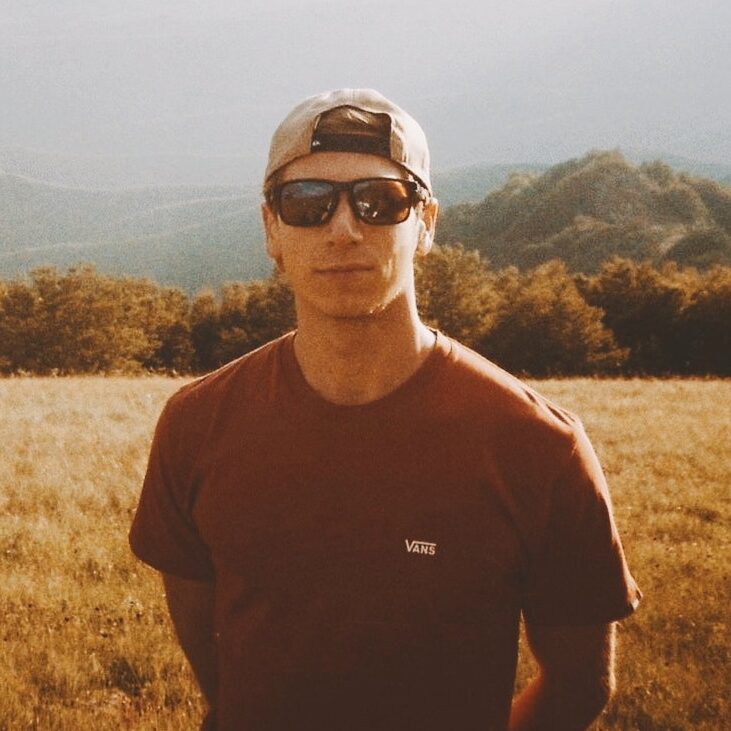
Filip Petreski is the founder of AFIELD and a multi-sport outdoor athlete. A two-time national cross-country MTB champion, snowboard instructor, and former dirt bike rider, he writes about the people, gear, and culture worth paying attention to in the outdoor world.