
Part 2 of the Filip Derkoski series
This post covers his open water career. Read his Olympic story first.
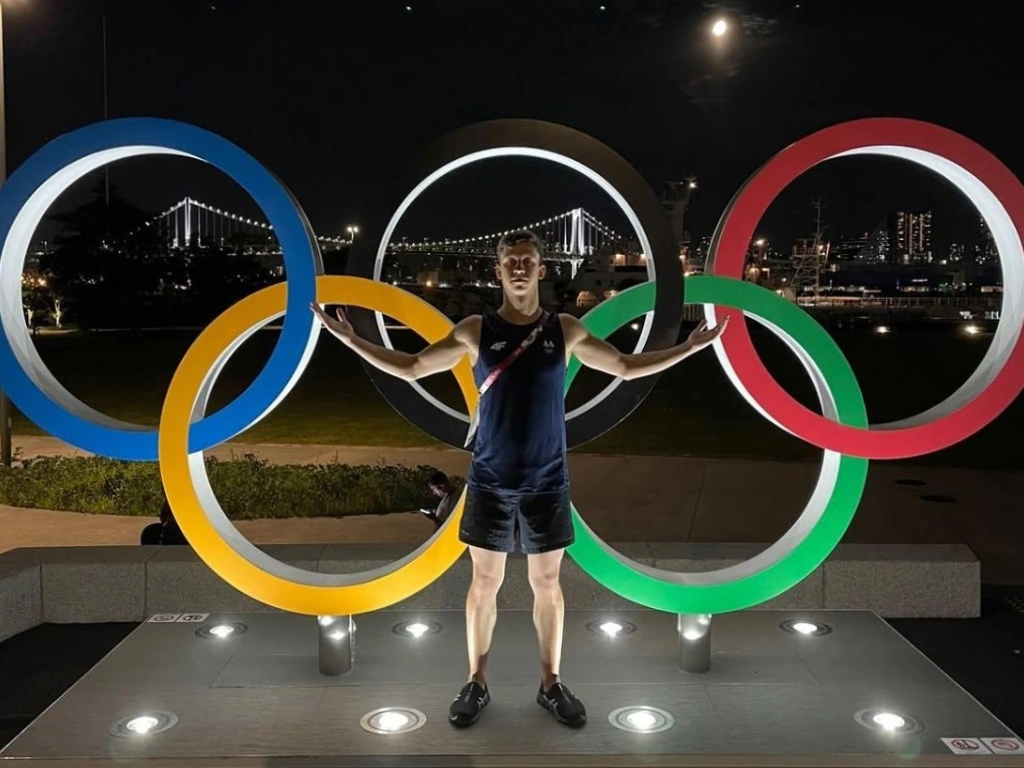
Filip Derkoski in open water is a different story from the one we wrote about his Olympics. If you haven’t read the first post in this series, start there. The pool chapter is its own thing. This one is about what he did when he stepped out of the lane and into water that doesn’t have any.
Filip Derkoski is a Macedonian national open water champion, winning in 2020 in 5km races across a four-race season. He competed at the Kınalıada Water Sports Club championship in Türkiye, a LEN-recognized event drawing 600+ athletes from 5 countries, and also swam in the Marmara Sea. His story connects to the Ohrid Lake swimming marathon, the biggest international sporting event organized by Macedonia, first held in 1952.
Open Water Is a Different Sport
The pool is a controlled place. Same temperature every morning. Same lane, same walls, same turn. You train a specific thing until the motion is automatic. That’s the whole idea.
Open water has none of that. The water moves. The weather changes. The pack of swimmers around you isn’t organized into lanes, and the person next to you wants the same line you want. You read the water ahead, manage your position, make calls in real time about when to push and when to hold. Every race is different because the water decides what it wants to be that day.
Filip competed in 5km open water races. The format is short enough to race hard the whole way, long enough that patience and positioning matter. What you do in the first 500 meters shapes what’s possible in the last.
The instincts that serve you in the pool aren’t all transferable, precise stroke counts, fixed pacing, clean turns. The discipline is related. It isn’t the same.
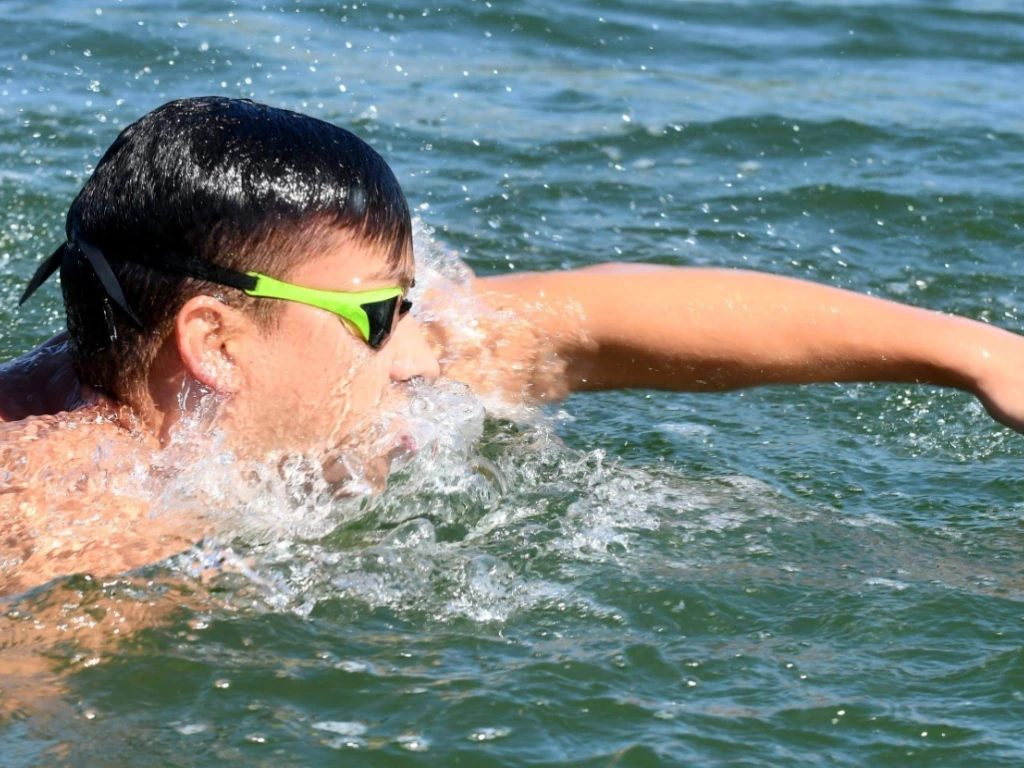
National Champion: 2020
He won.
Macedonian national open water champion, 2020, in 5km races over a four-race season. It’s not a minor thing. Macedonia has a real swimming culture, a national program, athletes who take the sport seriously. Winning it takes something.
What I know from the outside is what it looks like to watch someone hold two disciplines at the same time. Filip was training for the pool, competing at the highest national and international level in the pool, and also doing this. Four open water races per season layered on top of everything else. The training for both doesn’t just add up. It overlaps in complicated ways, and you have to manage the load without one undermining the other.
He managed it.
Open water winning feels different from pool winning. In the pool, when you touch the wall first, it’s done. In open water, the finish line arrives after five kilometers of managing bodies and water and your own judgment all at once. Different kind of winning. Still counts.
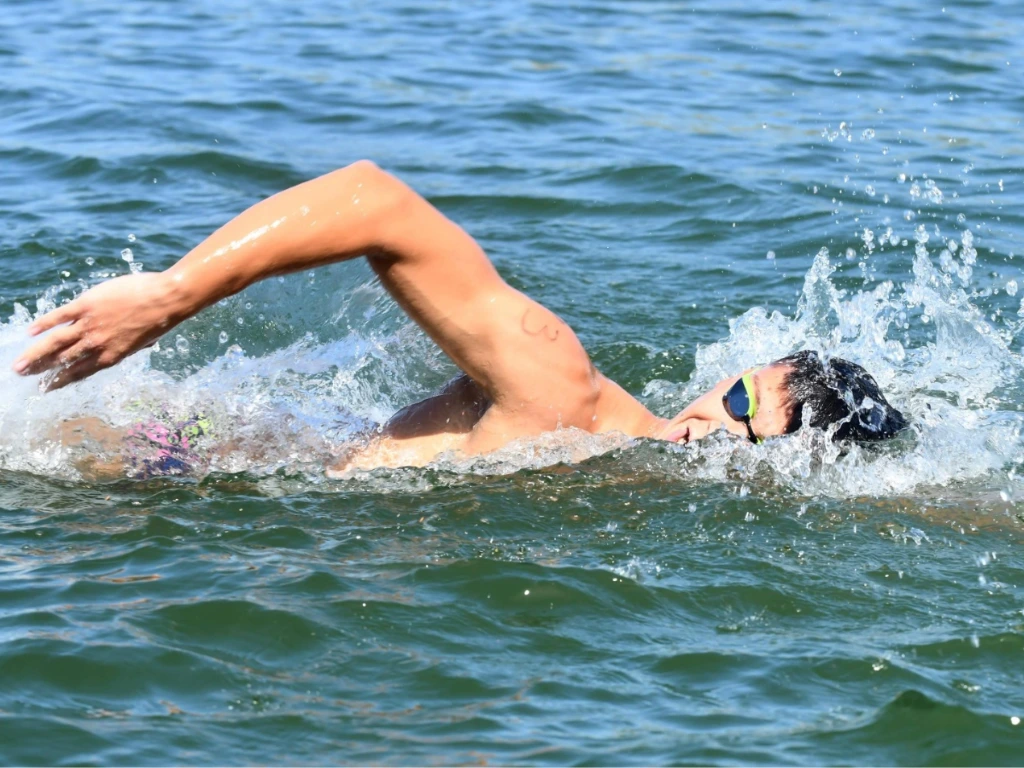
Kınalıada and the Marmara
His first open water race didn’t go well.
He was in a lake. The kind with weeds all through the water, the kind that touch you as you move through them. Bad weather, dark clouds, no sun. He got out at 300 meters. They picked him up by boat. He says it wasn’t a pleasant experience at all. A couple of years after that, he started winning.
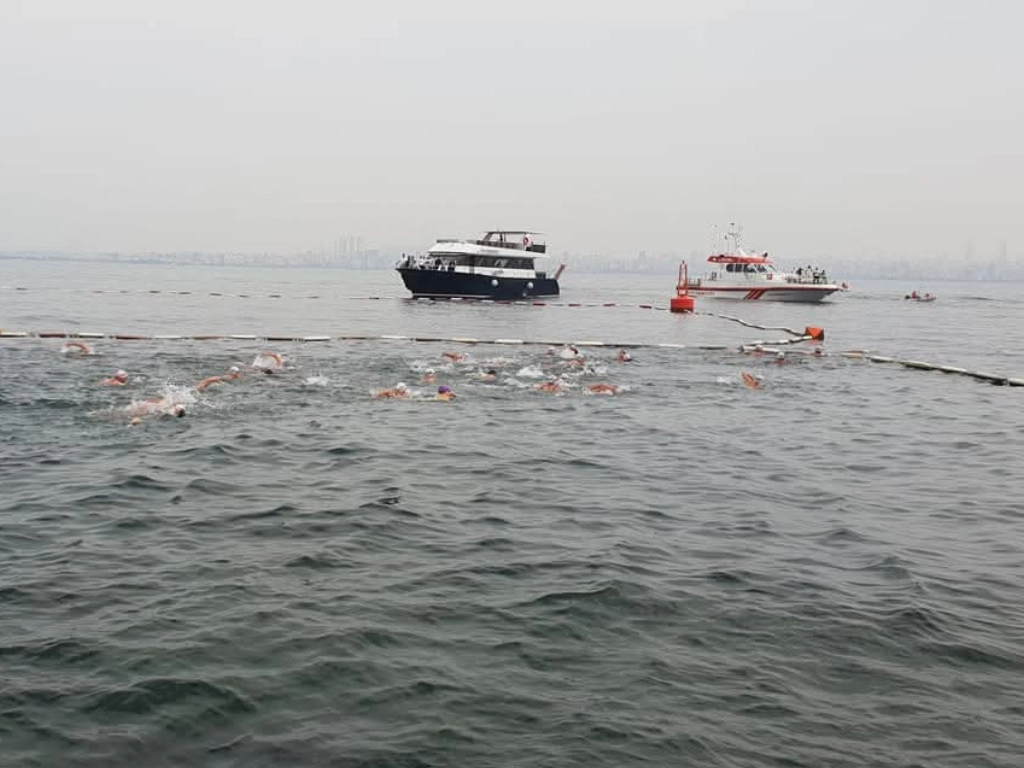
The Türkiye trip was different. It was a water sports festival, the kind with jet skis and speedboats and people doing acrobatic things with flyboards attached to their feet. He was there for the open water marathon. They took the competitors from the beach to the starting point by boat, about six to seven kilometers out, to an island called Kınalıada.
On the boat ride out, they saw dolphins jumping in the water.
He said: “If there are dolphins here, god knows what else is in the water.”
They got off the boat into open water. No shore visible anywhere. God knows how deep it was underneath them. There was a lead boat to guide the direction of the race. When it started, the serious marathon swimmers went straight to the front and took the lead boat with them. He was left with two other swimmers and nothing around them. No lead boat. No follow boat. Nothing. They stayed together. His goal shifted. He said: let me just get back healthy and alive, and that would be a win.
Then the swimmers ahead of them started screaming. Moving around in the water, not swimming. They’d hit a jellyfish swarm. Millions of them, he says. Small ones, big ones, the transparent kind, every kind. They had to push through with their hands to get past.
Further on, he heard something. Sound like waves near a beach. Nothing around him. Just open water. He kept going and suddenly saw it underneath, a massive rock formation, about 30 centimeters below the surface, covered in sharp shells. He had to swim flat, right above it, to get through without getting cut. It was huge he says.
When they came out of the water, everyone was red from the jellyfish. Face, back, stomach, arms, everywhere. His mother had been panicking before he left. She didn’t want him swimming six or seven kilometers out to sea in Türkiye. He came out of that water laughing.
Ohrid Lake and the Marathon Tradition
Most people outside the Balkans have never heard of the Ohrid Swimming Marathon.
That’s worth saying clearly, because the event has been running since 1952, is FINA-sanctioned since 1998, is listed among the WOWSA Top 100 Open Water Swims worldwide, and is the biggest international sporting event organized in Macedonia. None of it makes international news, nobody outside the Balkans talks about it.
The first race in 1952 was 2.5 kilometers, eight participants. By 1962, it had grown into a full marathon: 36 kilometers, won by Abu Heif from Egypt, one of the great open water swimmers of all time. The current course has run since 1992: Monastery of Saint Naum to Ohrid harbor, approximately 25 kilometers. Men’s record: 5:09:54, Axel Reymond from France in 2013. Women’s record: 5:15:51, Barbara Pozzobon from Italy in 2017. Petar Stoychev from Bulgaria has 11 wins.
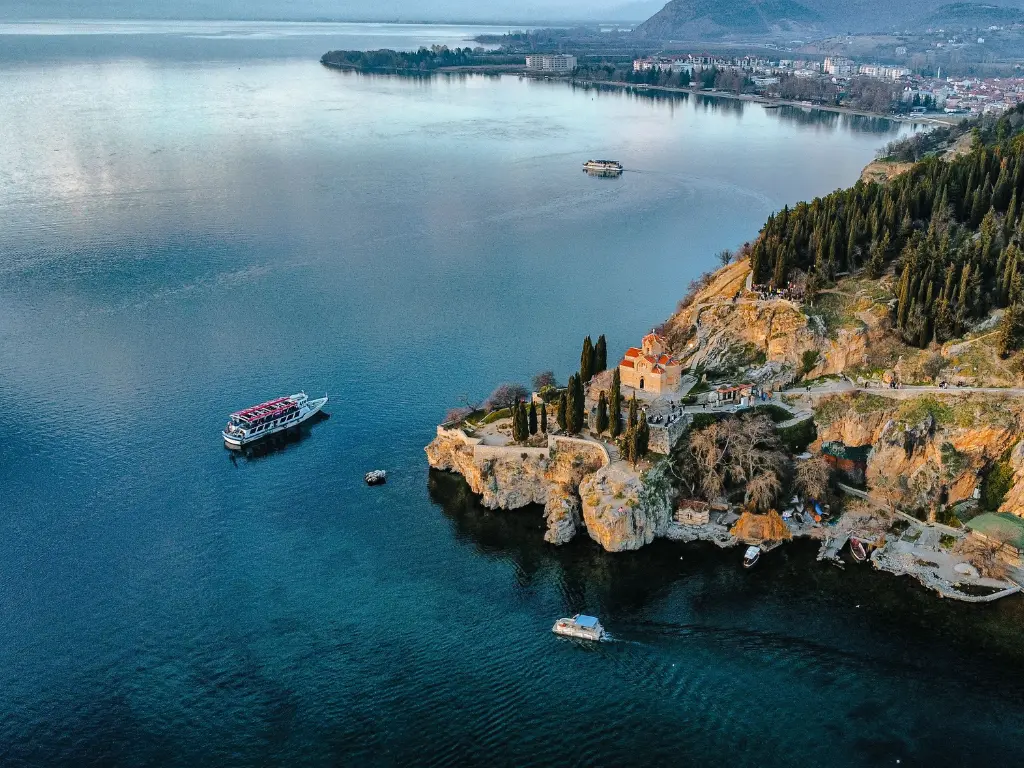
The lake is older than almost anything else on this continent. Lake Ohrid is 2 to 5 million years old. It sits at 695 meters above sea level, 288 meters at its deepest point, the deepest lake in the Balkans. UNESCO declared it a World Heritage Site in 1979. More than 200 species that live in it exist nowhere else on earth. When you swim it, you’re moving through something that predates most things with names.
Filip grew up in a country where this race matters. That context becomes part of who you are as an athlete. You absorb the water culture of the place you’re from, and some of what Filip is as an open water swimmer came from growing up somewhere that treats marathon swimming as a real thing worth taking seriously.
Frequently Asked Questions
What is Filip Derkoski’s open water record?
Filip Derkoski is a Macedonian national open water champion, winning in 2020 in 5km races across a four-race season. He competed internationally at the Kınalıada Water Sports Club championship in Turkey, a LEN-recognized event drawing 600+ athletes from five countries. His open water career ran alongside his pool career before he stepped back from professional competition approximately four to five years ago.
Source: direct conversation, July 2026.
What is the Ohrid Swimming Marathon?
The Ohrid Swimming Marathon is the oldest and one of the most significant open water swimming event in the Balkans, first held in 1952. The current course runs approximately 25km from Monastery of Saint Naum to Ohrid harbor, FINA-sanctioned since 1998, and listed in the WOWSA Top 100 Open Water Swims. Lake Ohrid is a UNESCO World Heritage Site, 2 to 5 million years old, and 288 meters deep, the deepest lake in the Balkans.
A Good Place to End This Chapter
Filip competed at the Olympics in the pool and won national titles in open water. Both. The same swimmer. I keep coming back to that when I think about what he’s actually done in this sport.
AFIELD exists to write the stories of people whose experiences deserve to be heard. Not just the results, but what it felt like and what it might push someone else to go try. Trying something new is sometimes the most important decision you make.
Two posts for Filip. That’s the story, at least for now. The same thread runs through everything on AFIELD: people who go deep into their sport, in the mountains, on the water, wherever it takes them. I think about it every time I lace up for a daily walk or look back at the cross country mountain bike race I’ll never forget. The scale is different. The commitment isn’t.
Filip Derkoski raced in open water, won the right to call himself the best in Macedonia at it, went to Türkiye for a competition on an island you reach by ferry, and swam in the Marmara Sea. He did all of it while also training for the Olympics in a pool.
That story deserved to be written down.
Filip Petreski is the founder of AFIELD. He’s known Filip Derkoski since childhood.

Filip Petreski is the founder of AFIELD and a multi-sport outdoor athlete. A two-time national cross-country MTB champion, snowboard instructor, and former dirt bike rider, he writes about the people, gear, and culture worth paying attention to in the outdoor world.