
When I say I’m going snowboarding, people who don’t do any kind of sport go straight to injuries. They know someone who got hurt. My legs are tied in, so when I fall, they don’t know how I’m going to handle it. Skiers hear about their knees, and on a dirt bike it’s always how many times have you fallen. It’s always the people who don’t do any sport, and they’re the ones who are the most scared and know everything.
I never argue about it. I just say please don’t talk about it, and that’s where the conversation ends. I’m not going there in order to fall down. It happens, that’s the reality, it’s part of it.
So this is the one time I’ll talk about it. Is snowboarding more dangerous than skiing? AFIELD went through the research, and the answer is a lot calmer than the stories.
Table of Contents
At a glance
Injuries are rare: about one for every 450 days on the hill in western Canada, and one for every 2,300 in Tyrol, Austria.Skiers mostly hurt their knees, snowboarders their wrists. Snowboarders also hit their heads more.
Most injuries are ordinary falls on easy runs. Beginners get hurt falling, experienced riders on jumps.
Wear a helmet, take a lesson, learn to fall to the side. Wrist guards are your call.
Is Snowboarding More Dangerous Than Skiing?
For regular riders, no. Skiers and snowboarders just get hurt in different places, and neither gets hurt very often.
Over ten winters, 2008 to 2018, 29 resorts in western Canada logged 107,540 injury reports, a little over 2 for every 1,000 days people spent on the hill. That’s one injury for every 450 days of riding. In Tyrol, Austria, where injuries were counted through the region’s emergency dispatch center from 2017 to 2022, it was one for every 2,300 days.
In the Canadian data, skiers mostly hurt their knees and snowboarders their wrists, and snowboarders also had more head injuries and more of the serious ones. US hospital records from 2016 to 2022 show the same split. Snowboarders who ended up in hospital were about two and a half times as likely as skiers to have a broken forearm, and skiers were far more likely to break a leg.
My brother skis, and so do most of my friends. One of them used to race, slalom I think, and later worked as a ski instructor, he’s the best skier I’ve ever seen in my life. His knees give him problems now, but he was racing and teaching for years, so things like that happen.
What Actually Gets People Hurt?
Ordinary falls, mostly. In the Canadian data, most injuries came from falls on green runs, the easiest marked terrain, and people on day tickets got hurt the most. A 2015 review of snow sports research found the same thing by skill level: beginners get hurt falling, and experienced riders get hurt more on jumps. Being a beginner more than doubled the chance of getting hurt, for skiers and snowboarders alike.
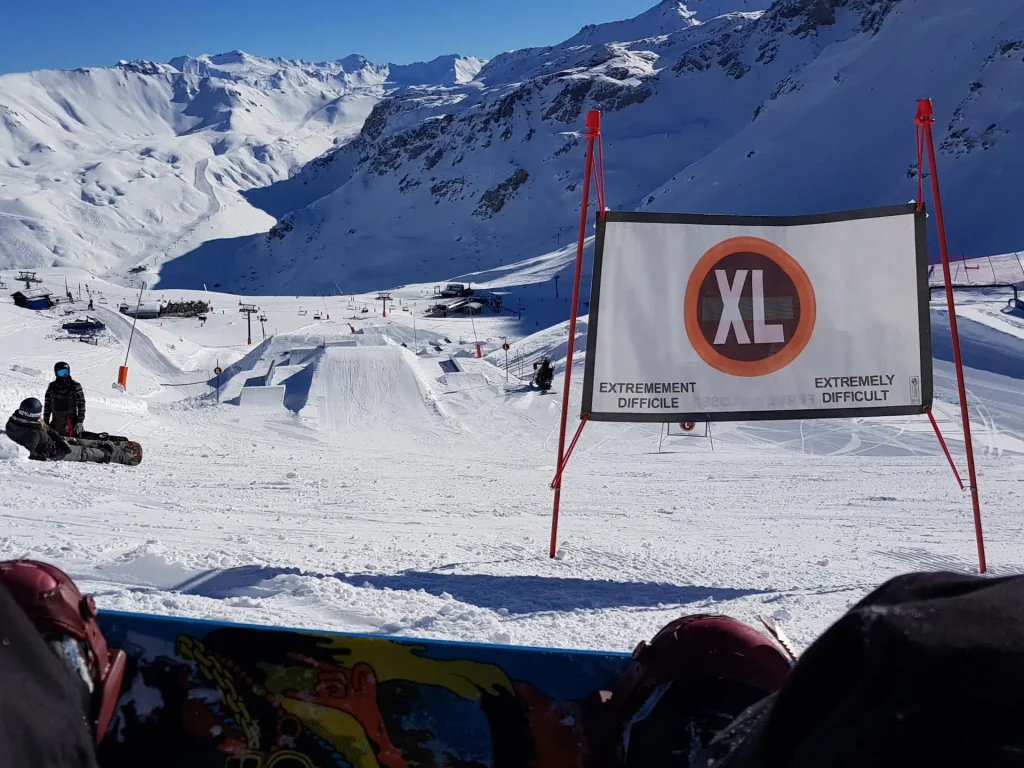
My friend isn’t a beginner, and he knows how to snowboard. Riding goofy, right foot in front, he fell directly on his shoulder. We called it a day. We called the ski patrol, they put a bandage on him and brought him down, and we got in the car and drove straight to the hospital, where urgent care took care of the shoulder. It’s a mistake that happens to everybody, and it just sometimes happens.
What Do I Tell Beginners?
I have a snowboard instructor license, and I’ve only ever taught friends. The first thing I show them is how to fall. When they start riding and get scared, they just fall to the side so they slow down. It’s nothing scary, because they’re not going fast anyway, and it stops them from going into other people, picking up more speed or hurting themselves even more. I show it rather than explain it, because that’s how people learn on a board.
Take a lesson, and not from your partner, which I learned the hard way. And wear a helmet. In that 2015 review, a helmet cut the chance of a head injury by about 40%, and I wear one every time.
Wrist guards work too. In a 2007 review, snowboarders who wore them had about three quarters fewer wrist injuries, one saved for every 50 riders, though there were weaker signs they might move some injuries to the elbow or shoulder. I don’t wear them. For me it’s overcomplicating everything, and you can’t be scared to do anything up there. I wear a helmet and nothing else, and if you’re up for wrist guards, wear them.
The One That Scared Me
The one time I got really scared was at Mavrovo, the most popular ski center in Macedonia. It was a natural side hit just off the run, in snow the grooming machines hadn’t been through. It wasn’t backcountry, just the side of the run. I jumped pretty high and landed straight in a hole I didn’t see. My knees bent all the way into a full squat, and I basically sat down on my snowboard.
It hurt at the moment, but I was okay for the rest of the day. Later that night I could barely walk. It was the first time something like that happened to me, and I was probably the most scared I’ve ever been, because I thought I might not be able to walk again.
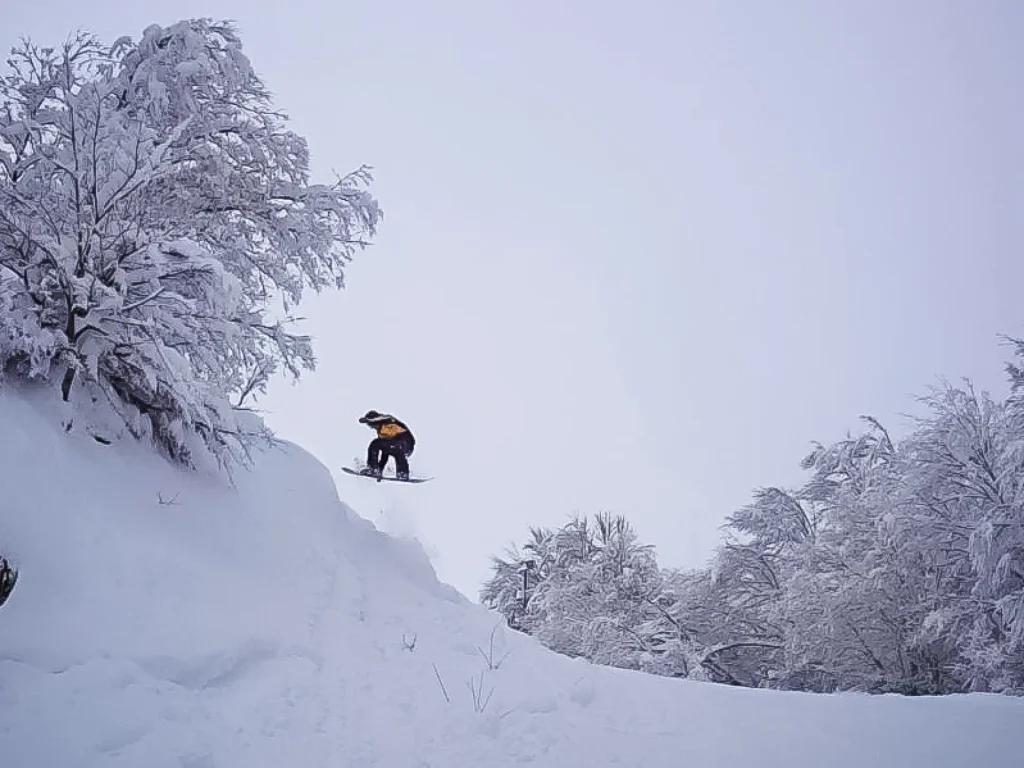
The next day I was fine. I needed a warm-up, and then I was doing basically the same thing again. I’m pushing my limits all the time, I ride a stiff board and I’m jumping constantly, which is a bit stupid of me, and things like this happen. I’m not going to stop snowboarding because of it.
Frequently Asked Questions
Is snowboarding more dangerous than skiing for beginners?
Beginners carry the most risk in both sports, and most of it is falling. A 2015 review found being a beginner more than doubled the chance of getting hurt, for skiers and snowboarders alike. A lesson and learning to fall to the side matter more than which sport you pick.
What are the most common snowboarding injuries?
Wrists. Over ten winters at western Canadian resorts, wrist and arm injuries were the most common for snowboarders, and knee injuries for skiers. US hospital records from 2016 to 2022 also show snowboarders breaking their forearms and upper arms more often than skiers.
Do you need wrist guards for snowboarding?
You don’t need them, but they work. A 2007 review found about three quarters fewer wrist injuries in snowboarders who wore them, one saved for every 50 riders. I wear a helmet and nothing else, and if you’re up for it, wear them.
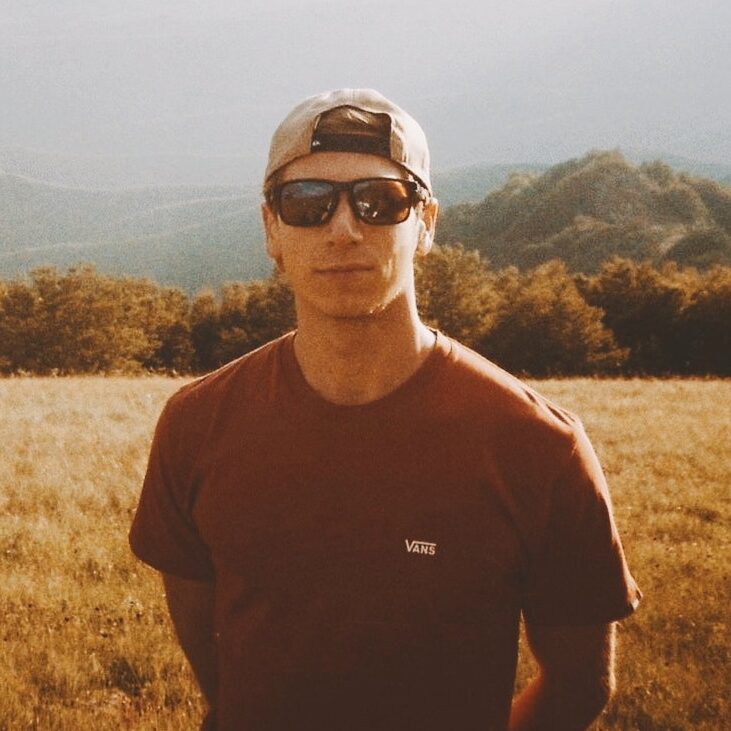
Filip Petreski is the founder of AFIELD and a multi-sport outdoor athlete. A two-time national cross-country MTB champion, snowboard instructor, and former dirt bike rider, he writes about the people, gear, and culture worth paying attention to in the outdoor world.