
I climbed trees as a kid without thinking twice about it. You find a branch, pull yourself up, figure out the next one, and keep going. The arborist who shows up at 7am on Tuesday with a chainsaw and a rigging harness is doing the same thing. For him, it’s one of the most extreme outdoor jobs in the trades, and it pays $50,000 a year.
These aren’t extreme outdoor jobs in the lifestyle-branding sense. No remote laptop, no flexible hours, no “van life” content strategy. These are professions where the physical and outdoor element is the job description, not a perk. You’re hired because the terrain is serious, the height is real, and things sometimes go wrong in ways that require a specific kind of person to fix them. Logging and tree work alone carry fatality rates of approximately 110 deaths per 100,000 workers, which is 33 times the US national average of 3.3 (BLS CFOI, 2024).
Nine jobs. What they pay. What actually happens on the days nobody forgets. And what it takes to get in.
If you want the flexible, travel-while-you-work version of outdoor employment, the lifestyle version of this list is the other end of that spectrum.
At a Glance
In 2024, 34 US air tankers completed 11,219 retardant drops under USFS contract. Three pilots didn’t come home. (MDPI Fire, 2025)
The US Coast Guard has approximately 350 active rescue swimmers covering the entire US coastline and Great Lakes. Their 22-week training program carries roughly 80% attrition. (USCG official)
Fewer than approximately 400 fire lookout towers remain staffed in the US, down from 5,000+ at peak in the 1930s. Most positions are seasonal and pay $28,000–$68,000. (USFS / Forest History Society)
A senior aerial firefighter pilot on a 747 SuperTanker can earn $360,000 per season. A first-year doing the same category of risk earns $40,000.
Table of Contents
What Does an Arborist Actually Do All Day?
After Hurricane Katrina, arborist crews spent months clearing hundreds of thousands of trees to restore access to neighborhoods across New Orleans and the Gulf Coast. The chainsaw and rigging skills that look like fun on a Saturday became emergency infrastructure after the storm. That contrast is the job in one sentence.
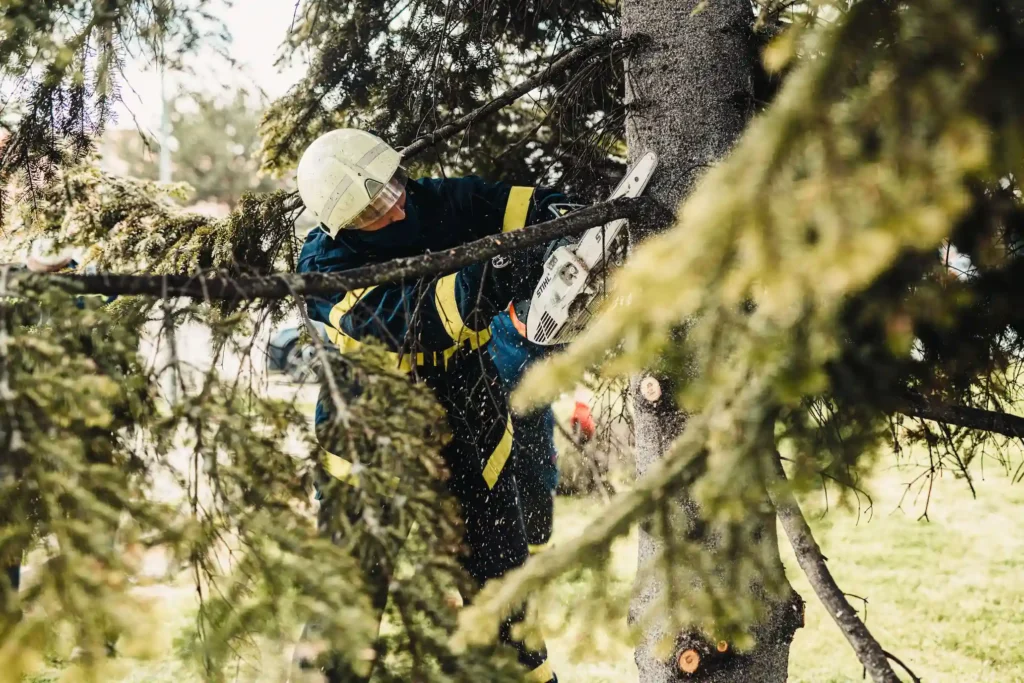
I climbed trees before I knew any of this. The instinct was right, but I didn’t turn it into a trade. The arborist did. Rope climbing, rigging systems, reading how a tree fails before it does, that’s the actual daily work. Not the hurricane. The hurricane is what reminds everyone why those skills matter.
Tree work carries a fatal-to-nonfatal injury ratio of 1:14. In all industries combined, that ratio is 1:350 (TCIA / CDC MMWR). Most of the day is rigging lines, cutting strategically, controlling where things fall. You’re making decisions about structure and force that, if wrong, are not recoverable. The chainsaw is the last thing you pick up, not the first.
On the pay side, arborists earn $34,450–$75,870, with a median of $50,440 (BLS OES, 2024). ISA-certified arborists earn roughly 15% more than uncertified workers at similar experience levels.
Getting in starts with the ISA Certified Arborist credential, rope and rigging training, and chainsaw certification. Most people enter through landscaping or tree-service crews and work up. No degree required. The same proprioceptive training arborists use every day has measurable effects on working memory and balance.
Citation Capsule
Tree work carries a fatal-to-nonfatal injury ratio of 1:14, compared to 1:350 across all industries. The arborist median salary is $50,440, with ISA-certified workers earning approximately 15% more. (TCIA / CDC MMWR; BLS OES 2024)
Is Cell Tower Climbing Really the Most Dangerous Job in America?
When Hurricane Maria knocked out 95% of Puerto Rico’s cell towers in 2017, tower climbers were among the first responders. Not because it’s glamorous. Because without working cell infrastructure, rescue calls couldn’t get through. Tower techs worked through heat, unstable structures, and aftershock conditions to bring communications back online.
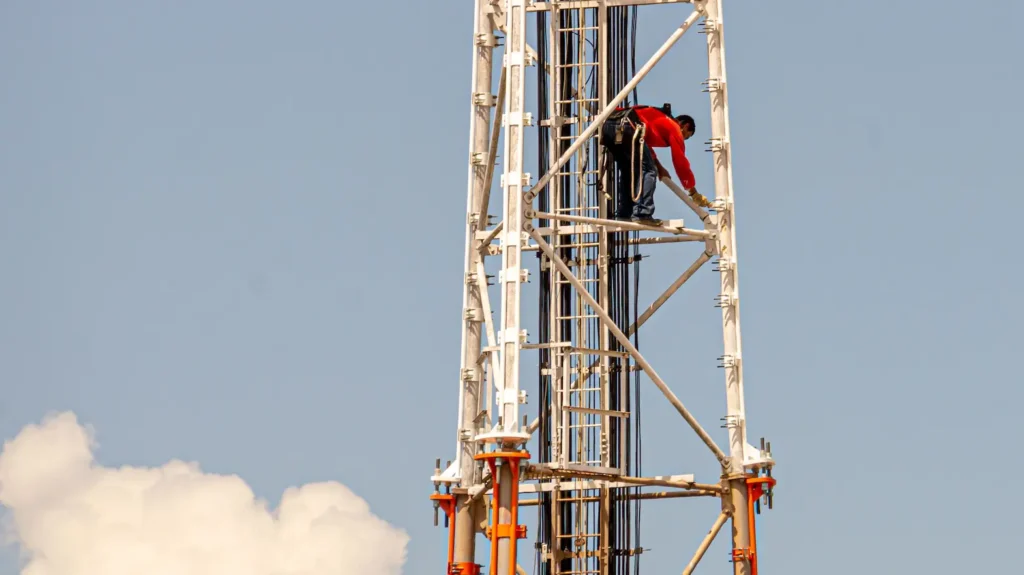
OSHA has called tower climbing “the most dangerous job in America.” The fatality rate is estimated at roughly 10 times that of construction workers (ProPublica / OSHA). The workforce is approximately 10,000 people nationally. That’s small enough that a handful of deaths in a year moves the percentage in a way that construction’s larger workforce doesn’t experience.
The day-to-day reality is less dramatic than the statistics. You climb towers up to 2,000 feet, carrying 50 or more pounds of gear. You work in whatever the weather is doing, because the tower doesn’t go offline for rain. The work is installation, maintenance, signal testing: methodical, technical, repetitive at height. The consequence of a mistake is the part that’s not repetitive.
Pay runs $52,000–$109,000, with a median around $64,310 (BLS, 2024). Entry requires Competent Climber certification, OSHA 10/30, and RF safety training. No degree. Most people enter through telecom contractors or apprenticeship programs. The rope comfort that comes from outdoor climbing transfers here more directly than you’d expect.
Citation Capsule
OSHA has designated tower climbing “the most dangerous job in America,” with a fatality rate roughly 10 times that of construction. Approximately 10,000 tower climbers work nationally, earning $52,000–$109,000 (median ~$64,310, BLS 2024). (ProPublica / OSHA; BLS 2024)
What Does an Aerial Firefighter Pilot’s Day Actually Look Like?
In 2020, during the Bobcat Fire in California, a Sikorsky Skycrane pilot made 187 water drops in a single day protecting Mt. Wilson Observatory. One hundred years of astronomical history on a ridge surrounded by fire. The building survived. In 2024, 34 air tankers flew 11,219 retardant drops under USFS contract across the full fire season, and three pilots didn’t come home (MDPI Fire, 2025).
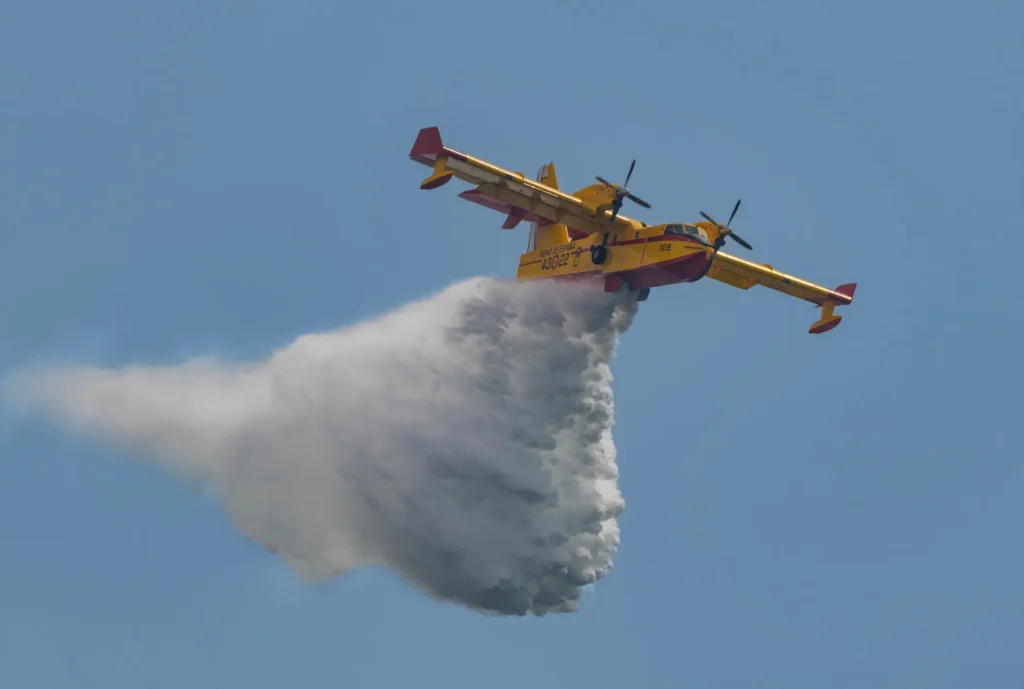
Most days aren’t 187 drops. Most days are positioning, weather assessment, and waiting. You’re based near a fire-prone region, you know the terrain, and when the call comes, you go. The Canadair CL-415 scoops water from a lake mid-flight. The large air tankers haul 3,000 to 19,000 gallons of retardant and release it on a target that someone on the ground has radioed up to you. Then you go back and do it again.
Here’s the pay gap that doesn’t get discussed: a first-year single-engine air tanker (SEAT) pilot earns $40,000–$70,000. A senior captain flying a DC-10 or 747 SuperTanker can earn up to $360,000 per season. The aircraft is different. The category of risk is not. Aviation accounts for 26.2% of all wildland firefighter deaths, across 78 fatalities from 2000 to 2013 (CDC MMWR, 2014).
The path in is long. Commercial Pilot License, instrument rating, 1,500 to 5,000+ flight hours depending on the aircraft. Most spend 5 to 7 years building hours before a first fire season role. Entry is almost always through SEAT operations.
Citation Capsule
Aviation-related incidents account for 26.2% of all wildland firefighter deaths. In 2024, 34 contracted air tankers flew 11,219 retardant drops; three pilots died. A first-year SEAT pilot earns $40,000–$70,000 while a senior 747 SuperTanker captain can earn $360,000 in the same season. (CDC MMWR 2014; MDPI Fire 2025)
Could You Actually Live in a Lighthouse?
Boston Light, established in 1716, is the oldest lighthouse site in the United States and the last to have a legally mandated keeper. The commute is a boat ride. When a vessel is in distress in Boston Harbor in a winter storm, the keeper is the first point of contact.
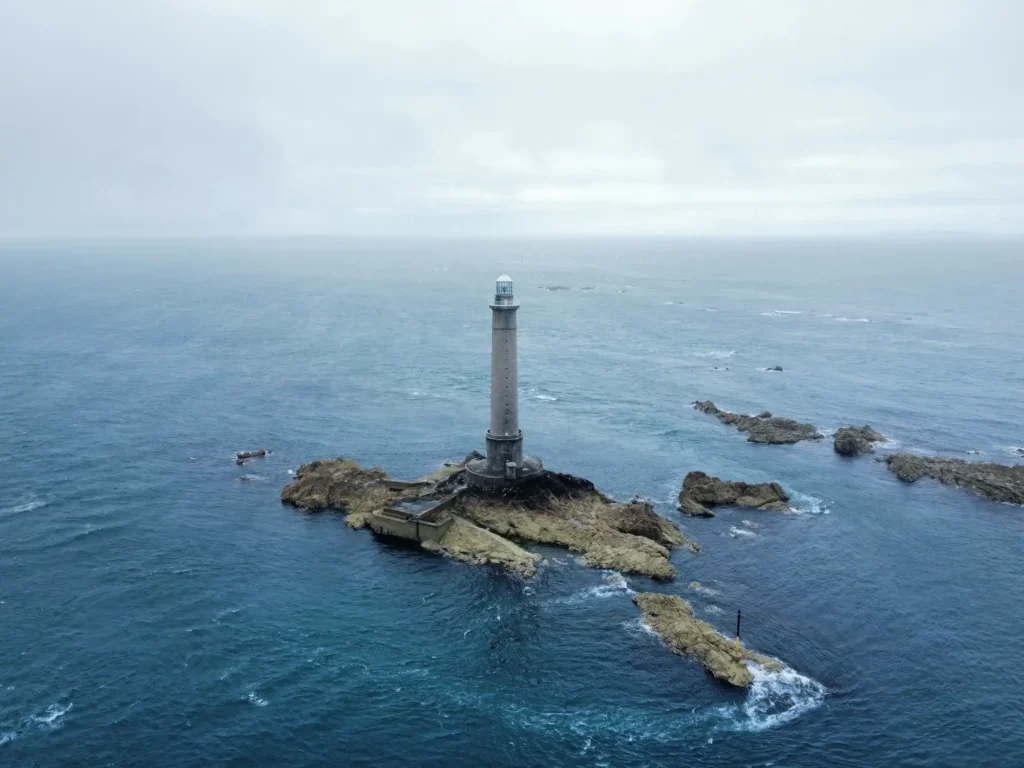
Most of the job isn’t storm-watch drama. It’s electrical and mechanical maintenance, weather monitoring, radio communication, and first aid. Some postings have no road access at all. A few are accessible only during certain tides. You’re not there to watch the ocean. You’re there to ensure the infrastructure works.
The honest framing is this: it feels more like camping than employment, except it isn’t. You can’t leave when the weather is bad. The quarters are small. The view is 360 degrees of open water, which is either the thing you want or the thing you can’t handle. There’s no ambiguity about which one you are after the first week.
Salary runs $41,000–$67,000, with a national average around $50,573. Most modern positions are through the Coast Guard Auxiliary, state historical societies, or nonprofit preservation groups. Federal postings are extremely rare. Boston Light is the only one required by law to have a keeper.
Citation Capsule
Lighthouse keeper is one of the few remaining extreme outdoor jobs with legally mandated government positions. Boston Light, the oldest lighthouse site in the US (established 1716), is the last keeper posting required by federal law. Salary ranges from $41,000 to $67,000, with most roles staffed through the Coast Guard Auxiliary or nonprofit preservation groups.
What Do You Do on Day 11 Alone in a Fire Lookout Tower?
In the summer of 2000, a lookout on the Bitterroot National Forest spotted smoke at first light from a ridge she’d been watching for 11 straight days. Her early radio call gave firefighters the window to contain what could have become one of the decade’s largest Montana fires. She was alone in a cab the size of a parking space, 7,000 feet up, with a sighting tool that hasn’t changed design since 1911.
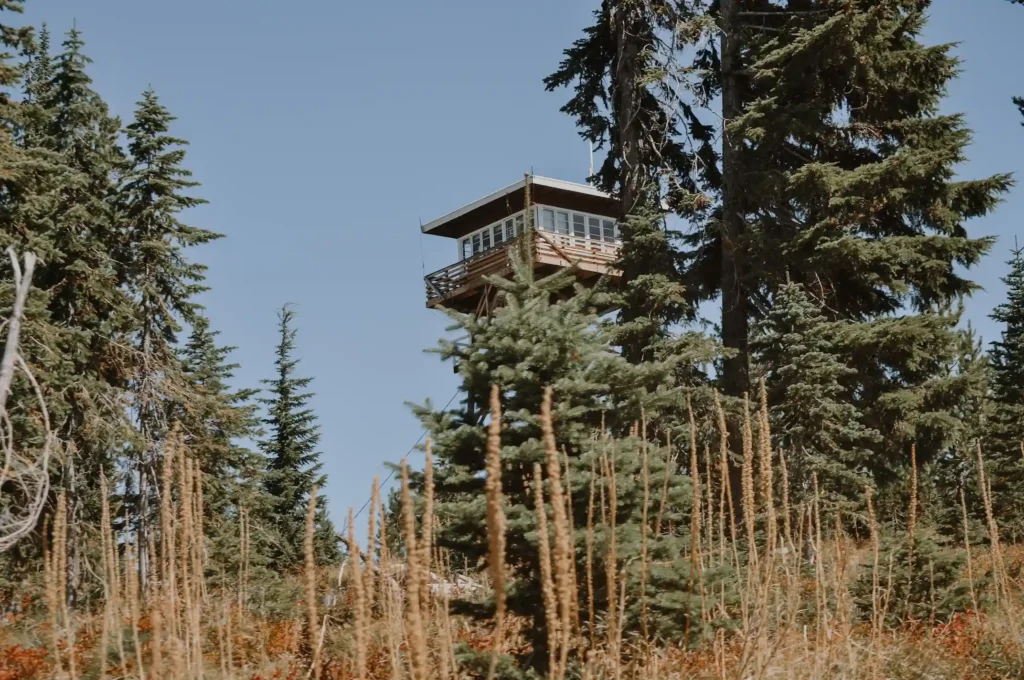
The Osborne Firefinder is still in active use. You scan 360 degrees for smoke, triangulate the fire’s location using the Firefinder, report to dispatch by radio, maintain weather records, and repeat. For weeks at a time. Alone. In a tower that, in some cases, is only accessible by helicopter or a multi-day hike.
At peak in the late 1930s, over 5,000 towers existed with more than 10,000 personnel staffing them across the US. Fewer than approximately 400 remain staffed today (USFS / Forest History Society). The job is rare, genuinely isolated, and carries a salary of $28,000–$68,000 for seasonal USFS positions at GS-4/GS-5 pay grades, with an average around $44,100.
You apply via USAJOBS under “Forestry Technician (Lookout).” Seasonal, April through October. Housing is in the tower cab. No formal qualification beyond a background check and fitness standard.
Citation Capsule
The US had 5,000+ staffed fire lookout towers at peak in the late 1930s, employing more than 10,000 personnel. Fewer than approximately 400 remain active today. Seasonal USFS positions pay $28,000–$68,000, with housing provided in the tower. (USFS / Forest History Society)
How Hard Is It to Become a Coast Guard Rescue Swimmer?
After the 2010 Haiti earthquake, US Coast Guard helicopters flew 343 rescue sorties in the first week alone. Since the Aviation Survival Technician program began, ASTs have been involved in saving more than 100,000 lives. There are approximately 350 of them covering the entire US coastline, the Great Lakes, and all inland waterways (USCG official).
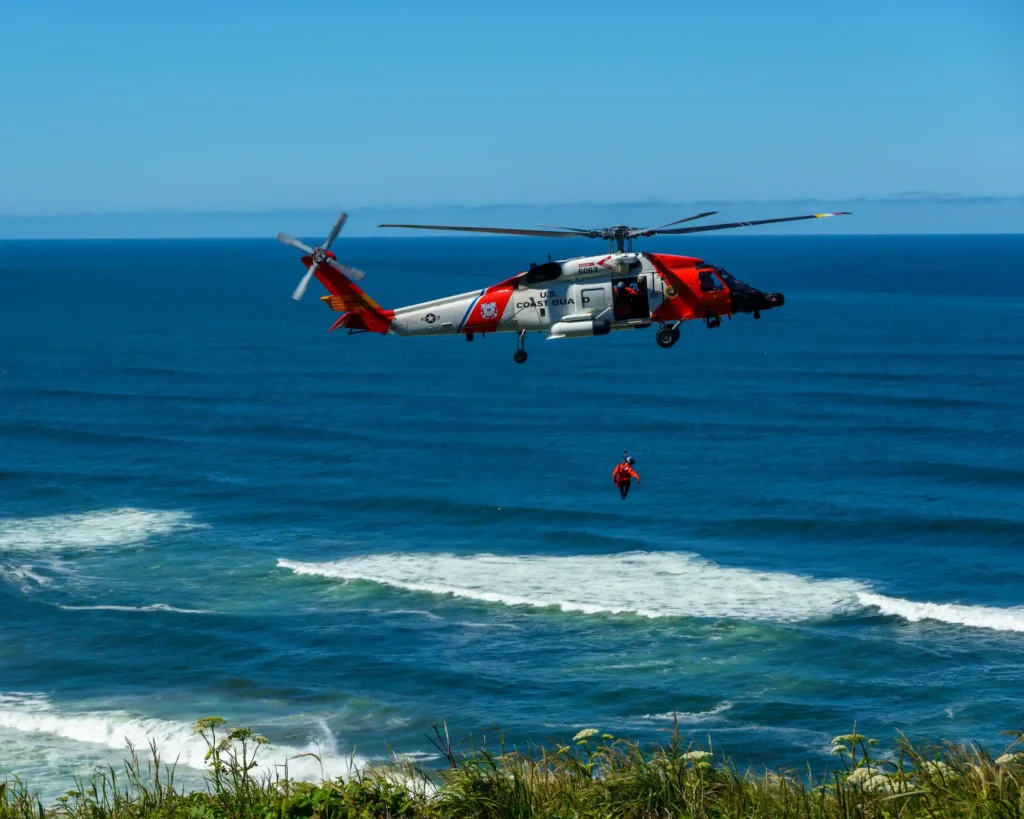
The job, stripped down: you fly to the location, go down the rope or into the water, stabilize the person, and bring them back. Every call is someone’s worst day. Your job is to make sure it isn’t their last.
The 22-week AST school at Elizabeth City, NC carries roughly 80% attrition, which puts it in the same category as Navy BUD/S. Candidates who complete it earn an enlistment incentive of up to $75,000. They also earn EMT certification and advanced water survival qualification on the way through. The program selects for a specific kind of person. Most people who start it find out they’re not that person.
Civilian SAR helicopter pilots earn $100,000–$180,000. USCG enlisted compensation runs on military pay scale plus incentives. Entry-level roles start $70,000–$100,000. For pilots, the path requires 1,500–3,000+ flight hours and commercial certification with helicopter ratings.
Citation Capsule
Approximately 350 active Coast Guard Aviation Survival Technicians cover the entire US coastline and Great Lakes. Their 22-week training school carries roughly 80% attrition, comparable to Navy BUD/S. Completers earn an enlistment incentive of up to $75,000. (USCG official)
Is Skyscraper Window Cleaning Actually Dangerous?
During Superstorm Sandy in 2012, window cleaning rigs were left suspended on the sides of Manhattan skyscrapers mid-job as the storm arrived. The crews who went back out to secure them worked in 70+ mph gusts on rope descent systems, hundreds of feet above street level. Leaving an unsecured rig in that wind was worse than going back out to fix it.
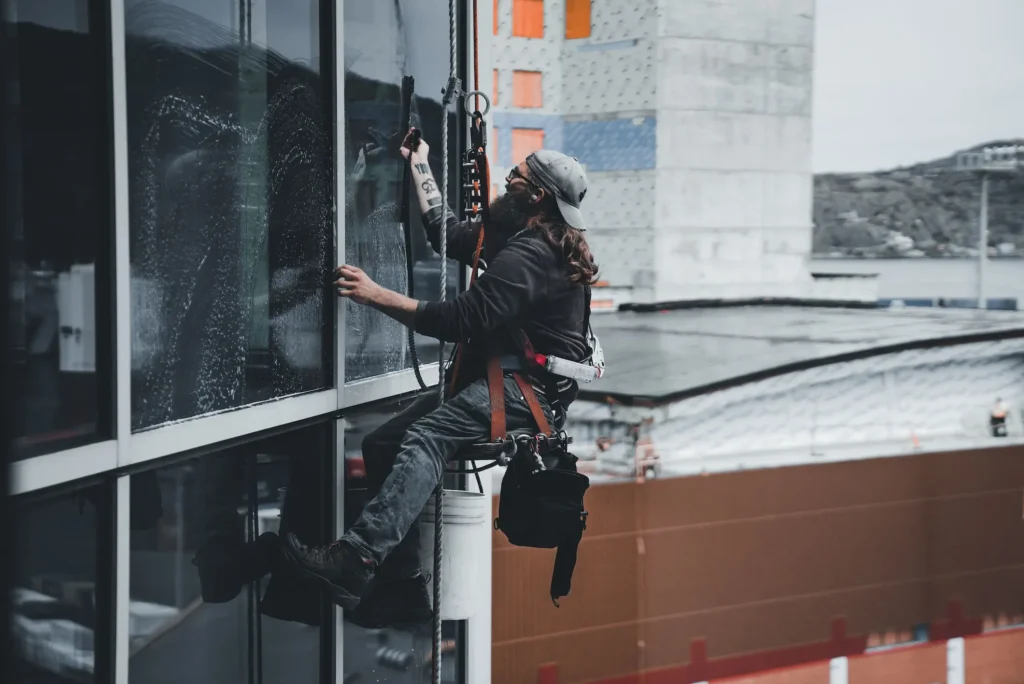
In the 1930s, 1 in every 200 New York window cleaners died annually. Modern ANSI/IWCA safety standards have cut that to roughly 1 fatality per 1.5 million worker exposures per year. The risk is managed now. The height is not.
Day to day: rope descent or suspended scaffold on high-rise exteriors. One day you’re cleaning glass on a calm Tuesday. The next you’re managing a rig in 40 mph crosswinds off a 60-storey building. The building sways. The rig sways with it. You learn to read the difference between structural movement and a problem, and you stay calm either way.
Pay in NYC runs $75,000–$100,000+ for union members with SEIU or IUOE membership. The national range is $60,000–$100,000+. Entry is through OSHA-compliant rope descent or suspended scaffold certification. Rock climbing is the most common background people bring into this work. The gear is different. The composure at height is identical.
Who Actually Ends Up Hanging Billboards for a Living?
A billboard on a highway overpass is 80 to 200 feet up, often in a location with no ground-level access, and it needs to be installed, swapped, or repaired on schedule, in any season. Nobody talks about this job. The people who do it come almost entirely from climbing backgrounds, because there’s no other way to learn to be comfortable at that height with that much load.
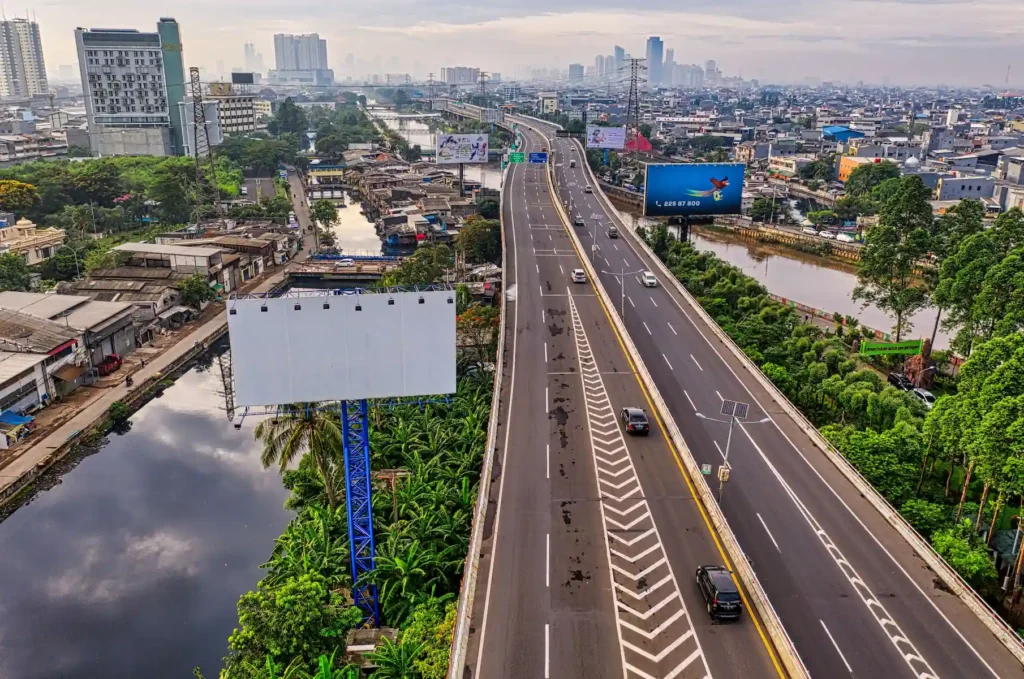
Balance and rope skills that transfer to rope-access work are the real entry requirement here.
I know people who climbed seriously for years and ended up doing this: hanging billboards, doing rope access on buildings. The skills are the same. The paycheck is more consistent than most outdoor instructor roles, and it doesn’t require you to build an audience on social media.
The work is install, replace, and service large-format signage using scaffold systems, aerial lifts, and rope rigging. CDL is often required for equipment transport. Every job is a slightly different rigging problem. You’re calculating load, planning the sequence, executing it at height with a crew that knows what it’s doing.
Pay runs $50,872–$86,505, with an average around $70,333 (SalaryExpert ERI, 2025). Entry is through OSHA fall protection training, rigging safety certification, and rope access or scaffold companies. If you have a climbing background and you’ve been wondering whether there’s a job version of what you do on weekends, this is one of the more direct answers.
Citation Capsule
Billboard rigging is among the most direct career paths for climbers transitioning to paid work. Riggers install and service large-format signage at 80 to 200 feet using scaffold, aerial lift, and rope rigging systems. The national average salary is $70,333, with a range of $50,872–$86,505 (SalaryExpert ERI, 2025). Entry requires OSHA fall protection certification, not a degree.
What Does a Forest Ranger Actually Do That’s Worth the Job Title?
In 2021, a US Forest Service ranger tracked an illegal logging operation in a protected wilderness area for three months, on foot, alone, in terrain with no cell service, before coordinating an arrest that shut down an operation pulling old-growth timber for years. That’s also the job description.
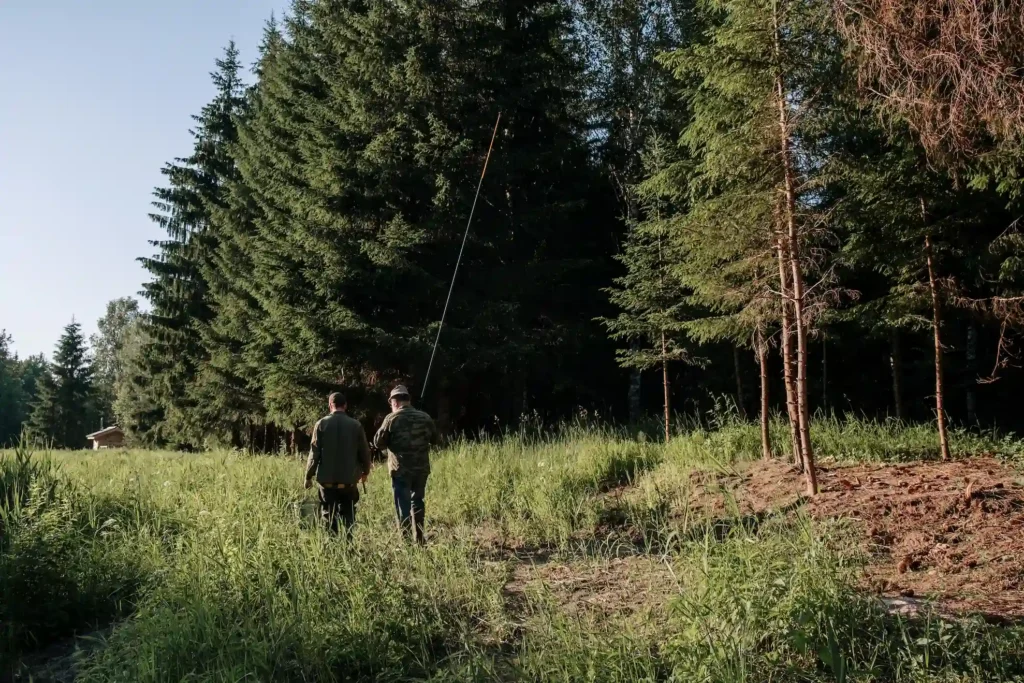
Most days aren’t investigations. You’re managing ecosystems, responding to fires, enforcing regulations, conducting wildlife surveys, maintaining trails. You’re outside every day in terrain most people visit on weekends, except you’re learning it at a depth most visitors never reach.
Federal wildland firefighter positions require passing the Pack Test before you’re hired: a 3-mile hike in under 45 minutes with a 45-pound pack. There’s no getting fit after you start. You pass or you don’t. This is the filter that separates the people who want the idea of the job from the ones who can actually do it. Almost every extreme outdoor job has a gate like this: the 80% AST attrition rate, the 1,500 flight hours minimum, the ISA credential. The gate isn’t hazing. It’s the job telling you what it requires before you’re in it.
Pay runs $35,000–$70,000+. Conservation scientists and foresters sit at a median of $69,060 (BLS OES, 2024). Law enforcement rangers earn more with additional credentials. Apply via USAJOBS under forestry, conservation, or park ranger roles. Wildland Fire Certification (the Red Card) is increasingly expected for field positions.
Frequently Asked Questions About Extreme Outdoor Jobs
What are extreme outdoor jobs?
Extreme outdoor jobs are professions where the physical, outdoor, or high-consequence element is the core requirement. Not a perk, not a bonus: the reason you were hired. Arborists, tower climbers, aerial firefighter pilots, SAR crew, and fire lookouts all qualify. The outdoor element is what you were brought in to handle when things get serious.
What is the highest-paying extreme outdoor job?
Senior aerial firefighter pilots on large air tankers can earn up to $360,000 per season. Civilian SAR helicopter pilots earn $100,000–$180,000. NYC union window cleaners with SEIU or IUOE membership reach $75,000–$100,000+. Tower climbers at the 90th percentile earn approximately $109,000 (BLS 2024).
Do extreme outdoor jobs require a degree?
Most don’t. Tower climbing, arborist work, billboard rigging, and window cleaning are certification-based. Aerial firefighting requires a pilot’s license built through flight hours, not a classroom. Some ranger and forestry roles prefer a forestry or conservation degree for federal GS-scale positions, but it’s not a hard requirement across the board.
How do you become an aerial firefighter pilot?
Commercial Pilot License, instrument rating, and 1,500–5,000+ flight hours depending on the aircraft. Most spend 5–7 years building hours before a first fire season role. The typical entry point is single-engine air tanker (SEAT) operations, where first-year pilots earn $40,000–$70,000. From there, experience and larger aircraft open the upper salary range.
Are there still fire lookout jobs?
Yes, and fewer than approximately 400 staffed towers remain in the US, down from 5,000+ in the 1930s. These are seasonal GS-4/GS-5 positions posted on USAJOBS under “Forestry Technician (Lookout),” running April to October with housing in the cab. No formal credentials beyond a background check and fitness standard, the barrier is getting selected, not getting qualified.
How hard is it to become a Coast Guard rescue swimmer?
Hard enough that approximately 80% of candidates don’t finish the 22-week Aviation Survival Technician school. The program is comparable to Navy BUD/S in washout rate. The 350 active ASTs who made it through cover the entire US coastline, the Great Lakes, and inland waterways. They earn an enlistment incentive of up to $75,000 and come out with EMT certification and advanced water survival quals (USCG official).
What outdoor jobs pay over $100,000?
Senior aerial firefighter pilots, civilian SAR helicopter pilots ($100,000–$180,000), and union high-rise window cleaners in major metros ($75,000–$100,000+). Tower climbers at the 90th percentile reach approximately $109,000. Most roles in this range require 5–10 years of experience in the field before the compensation gets there.
What skills transfer from outdoor sports to these careers?
Rock climbing and rope work transfer directly to arborist, tower climber, window cleaner, and billboard rigger roles. Balance and proprioceptive training carries into SAR and rope-access work. Wilderness navigation and physical fitness translate to forest ranger positions. Flying or aviation experience is the natural path into aerial firefighting or SAR helicopter operations.
The Instinct Was Always There
I climbed trees before I understood any of this. The instinct was right, even if I didn’t follow it into a trade. What I didn’t see then is that the same skills that make someone good at climbing, slacklining, or rope work are the entry point for half the jobs on this list.
The difference between doing it on a Saturday and doing it for a living isn’t the skill. It’s showing up when it’s not fun. After a hurricane, in 40 mph wind, on day 11 of a solo tower posting with a radio and a job to do. The arborist isn’t there because the work is glamorous. The fire lookout isn’t there because the isolation sounds romantic. They’re there because the job requires exactly what they can do, and they showed up anyway.
If you want to understand the mindset behind people who choose high-consequence work, that’s worth reading separately. It’s a specific kind of wiring. These jobs don’t create it. They just give it somewhere to go.
The companion post covers the other end of the spectrum: remote, flexible, van-compatible outdoor work that doesn’t require a rope harness. And if the climbing and rope skills on this list sound like something you’ve already been building on weekends, here’s what that training is actually doing to your brain.
Filip Petreski
Filip is the founder of AFIELD and a freelance motion designer. He climbed trees long before he ever stood on a slackline, and the connection only became obvious later. AFIELD covers the gear, mindset, and research behind getting outside and staying there.

Filip Petreski is the founder of AFIELD and a multi-sport outdoor athlete. A two-time national cross-country MTB champion, snowboard instructor, and former dirt bike rider, he writes about the people, gear, and culture worth paying attention to in the outdoor world.