
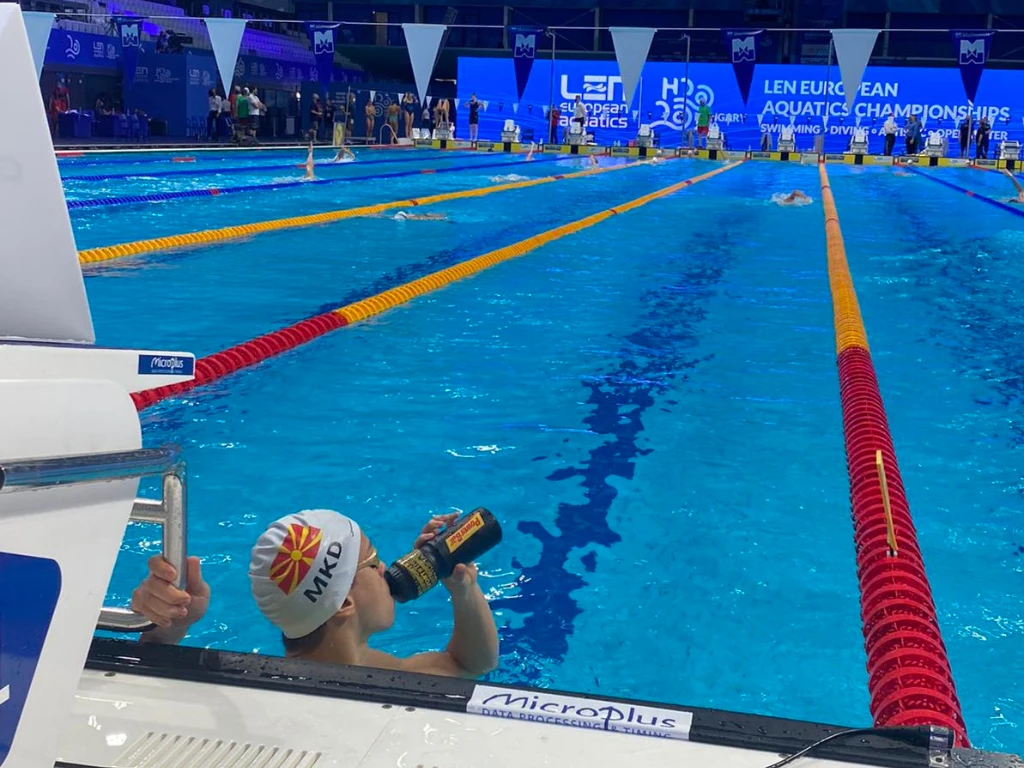
Filip Derkoski is a Macedonian swimmer who competed at the Tokyo 2020 Olympics in the Men’s 400m Freestyle. Broke a personal best. I’ve known him most of my life.
Same age as my younger brother and best friend. We grew up near each other, spent time together almost every day, went into the mountains as kids. Nobody in our friend group was swimming. Filip was the only one. I watched him become someone who went to the Olympics while the rest of us did other things, and I always thought this story needed to be told properly.
This is the first of what I’m building as a series of AFIELD conversations with athletes who’ve gone somewhere real in their sport. He’s the right person to start with.
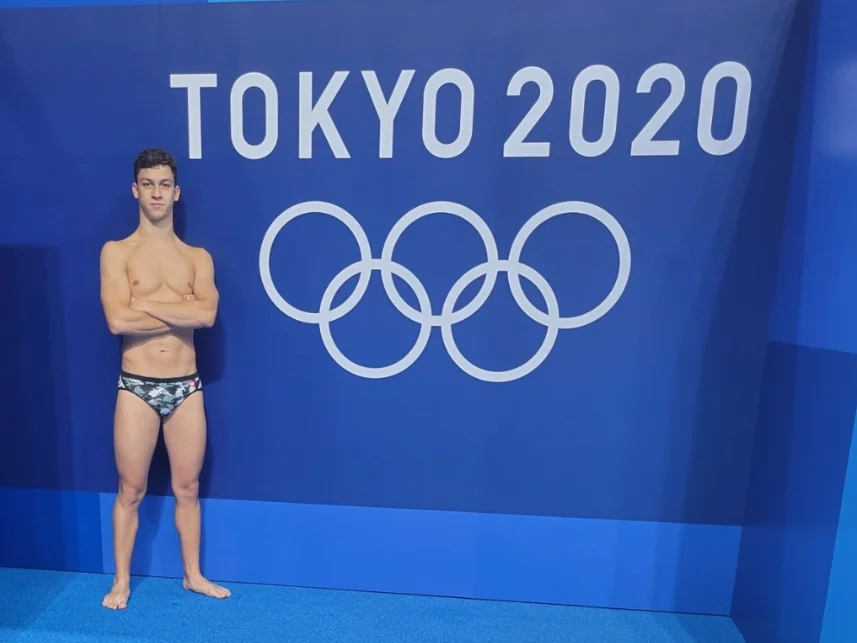
Table of Contents
At a Glance
Filip Derkoski is a Macedonian swimmer who competed at the Tokyo 2020 Olympics in the Men’s 400m Freestyle, broke a personal best. The most successful male swimmer in Macedonia at the national level from 2018 to 2021, and a national open water champion in 2020. Now coaching the next generation. Filip Petreski has known him since childhood.
The Medal He Wore for Three Days Straight
The first competition Filip ever entered, he wasn’t even 10 years old. Afterward he went to his coach, Jane Karajovanov, and asked how he’d done. “Probably nothing, don’t worry,” he told him. The kids were all back at the hotel that evening being loud the way kids are, and the announcement started.
Third place got called. Then second.
Then: Filip Derkoski.
Everyone went completely quiet. He stood frozen where he was. His coach was telling him “go go go” and he took a couple of steps, stopped, looked around, and couldn’t make sense of what was happening. He got up to the podium and they put the medal around his neck. Wore it for three straight days. All the way home.
Swimming wasn’t something Filip chose. His parents put him in the water for health reasons, back and feet, so the body would grow straight and develop properly. He just showed up to practice. Turned out the kid was good at it before anyone saw that coming, including his coach.
In 6th or 7th grade, Filip wanted to quit. Nobody else in the friend group was swimming and he felt it. He wanted to play football like everyone else. His dad made him go tell his coach himself. Not a parent delivering a decision on behalf of a kid. Filip had to walk in there and say it to his face and that’s way harder than you would think.
He played football for a month or two. Then went back to swimming on his own.
How Filip Derkoski Found His Event – and What the Road to Tokyo Actually Looked Like
The 400m freestyle wasn’t handed to him. At a Grand Prix in 2019, Filip suggested it to his coach himself. He’d been swimming different events before that, hadn’t found the one that fit. They let him try.
Qualifications: conservative, saving something for the final. In the final, 17 seconds faster than qualification. Both Filip and his coach were surprised. That was the last time the event was ever in question. From 2018 to 2021, Filip was the most successful male swimmer in Macedonia at the national level.
The 400 isn’t a sprint or a marathon. You can calculate the pacing going in, but you’re almost maxed out by the end anyway. There’s no coasting in it.
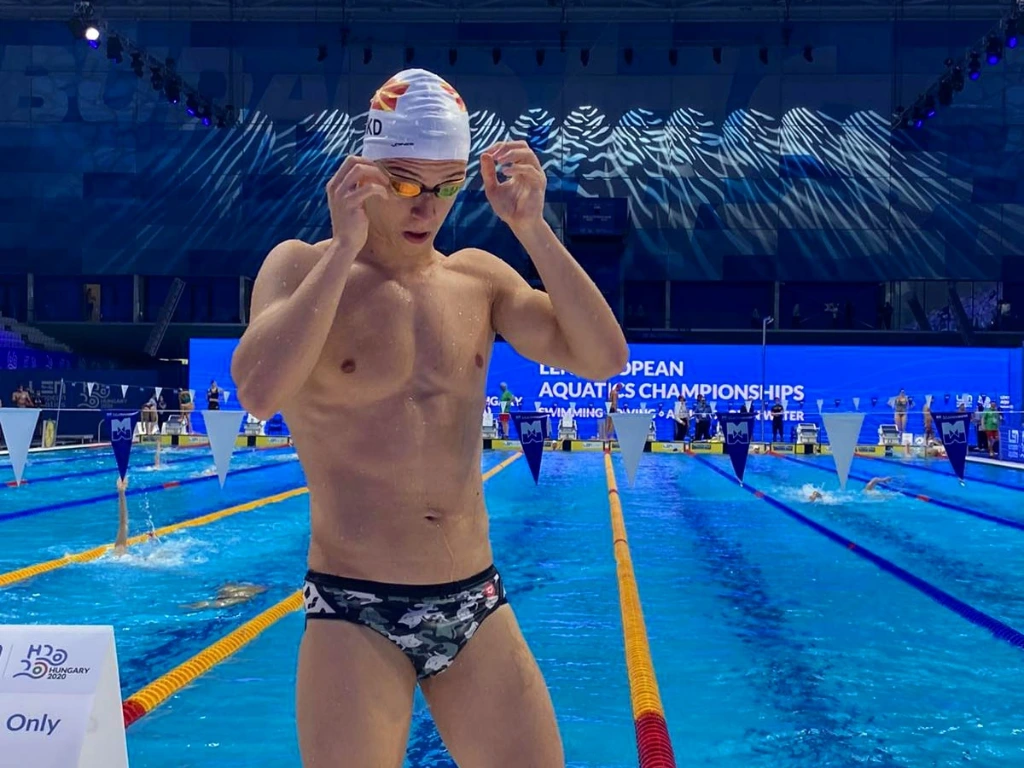
The Olympic quota came at the 2019 World Cup in Korea. Best in Macedonia by the FINA scoring board. That should have been straightforward from there. It wasn’t. For two or three years after that there were obstacles and people actively working against Filip making the trip, despite having earned the right to go. His coach fought for him until the last possible minute. He didn’t stop.
He found out right before a 200m race. His coach came over and said:
“Filip, it’s all done. You’re going to the Olympics. Everything is signed up.”
He swam that race freely. One of the better ones that season.
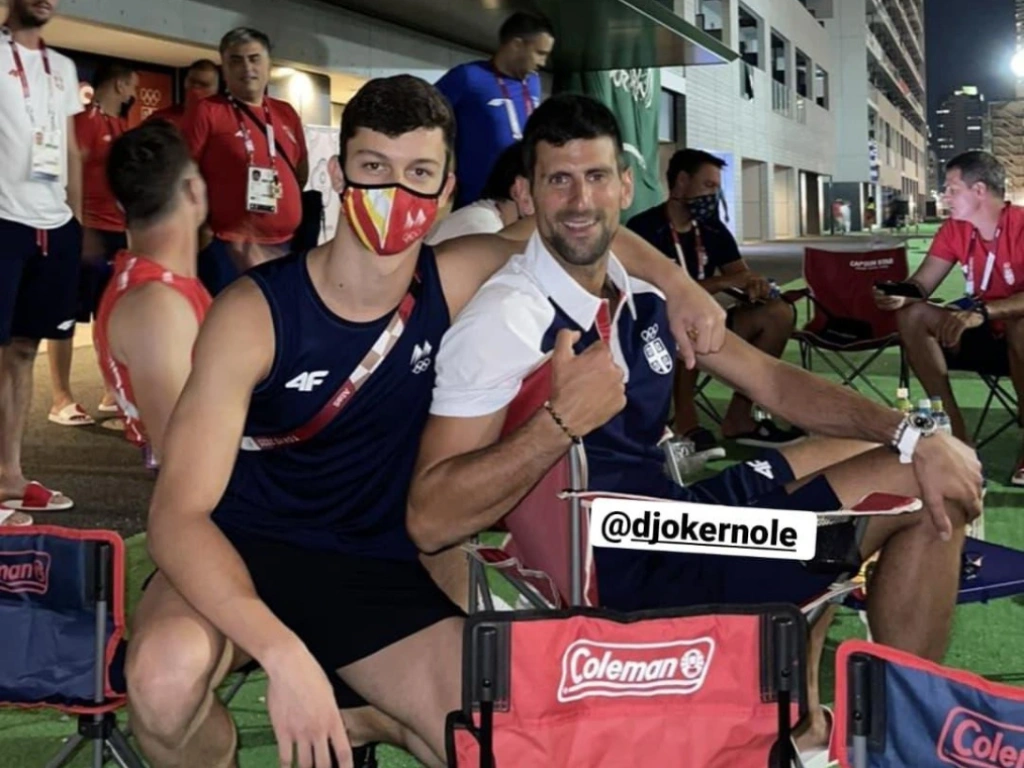
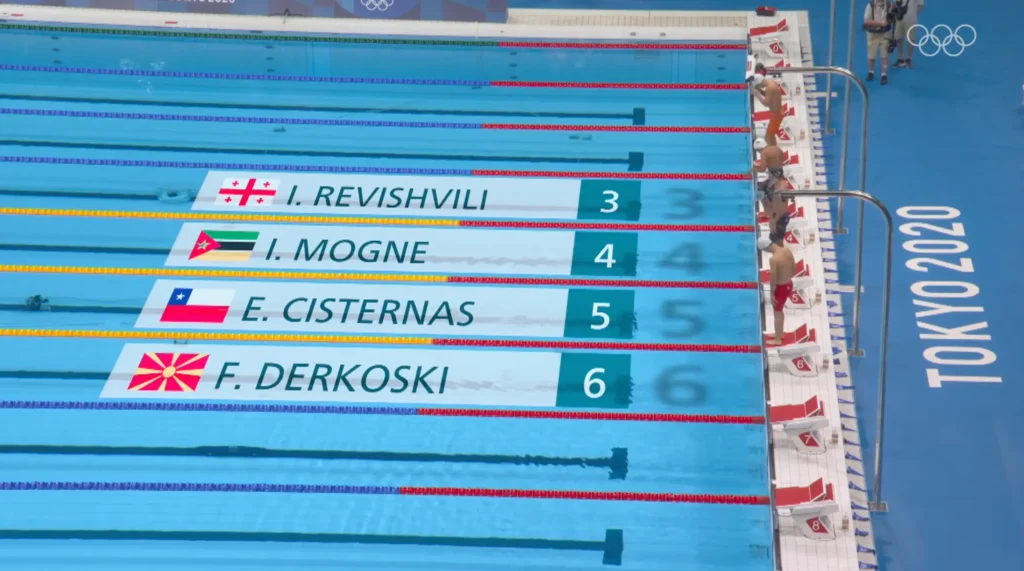
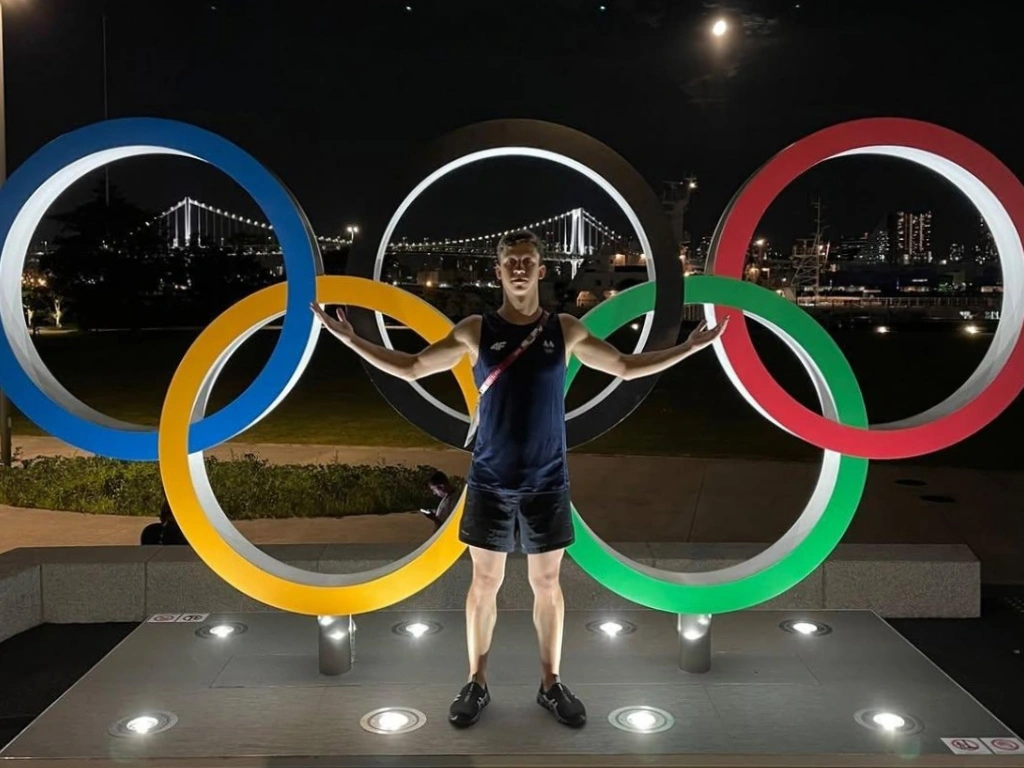
Tokyo was the scale of it made real. Walking the same hallways as world record holders, sharing a pool with athletes who’d broken Olympic records, taking a photo with Djokovic in the village. When it was his turn in the water, Filip swam the best race of his life, setting a personal best. People who’d never trained seriously came out on Facebook expecting a medal he’d never promised anyone. He went to the biggest stage the sport has and performed better than ever before.
Setting a personal best at the Olympics means you hit your lifetime peak on the biggest stage the sport has. That’s not a consolation. That’s the point.
National Title in Open Water – and What Filip Derkoski Is Doing Now
The pool wasn’t the only water Filip raced in. National open water champion, winning in 2020 in 5km races, four per season. A completely different discipline from the pool, different demands, different everything.
He’s competed in Türkiye too, that story is its own post. Macedonia has a long tradition in marathon swimming, anchored by an annual 25km race on Ohrid Lake, one of the oldest lakes in Europe and UNESCO protected. The open water chapter of his career deserves the space to be told properly.
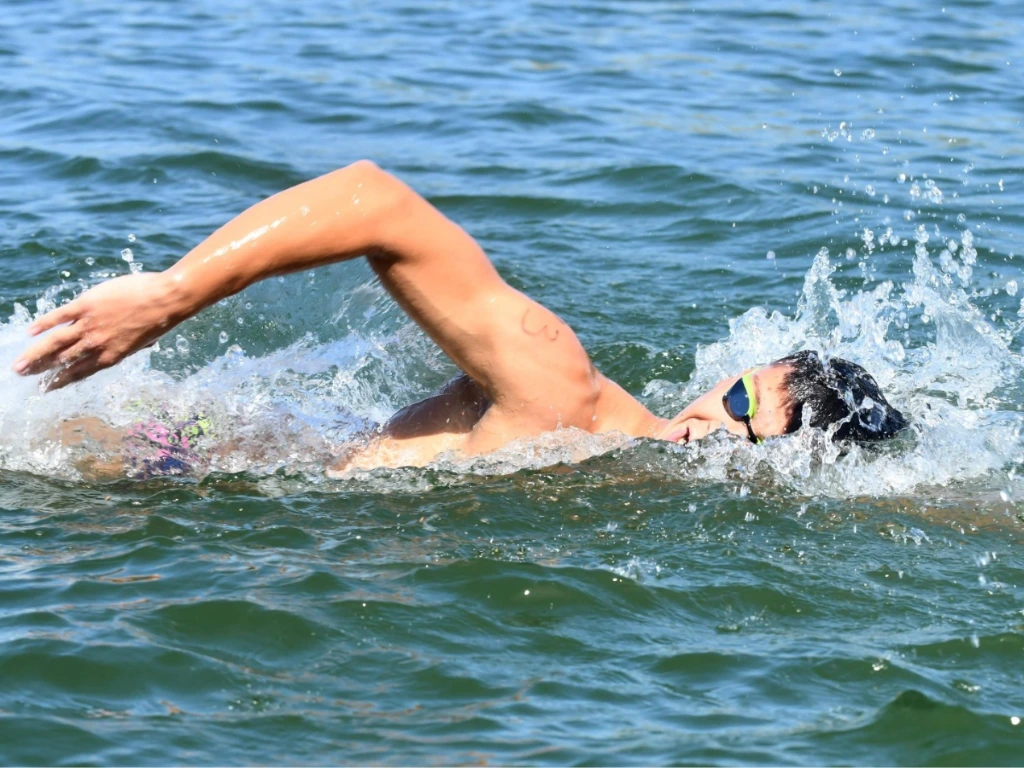
Professional competition stopped four or five years ago. But Filip didn’t step away from the pool. He’s there every day, coaching kids, running individual sessions, staying close to the sport. When one of his athletes does well, it feels like his own result.
One of those athletes is currently the best under-13 swimmer at a national level. The team is currently ranked third nationally. Filip has a degree in physical and mental health and wrote his thesis on the benefits of swimming for kids. The theory matches the practice he’s living every day.
The philosophy is simple and comes from experience: if a kid earned it, he stands behind them, no matter what’s in the way. Because he knows what it looks like when nobody does.
What He’d Tell Anyone Starting Out
At 15 or 16, there were kids his age who were significantly faster. Everyone knew it, Filip included. He still went to the Olympics. They didn’t.
Set a path and do the work. Discipline pays off, not always in the exact form you planned, but it pays off. Talent gets you a head start. Consistent work gets you further. Someone who isn’t the most talented but puts in the effort will eventually outrun the person who coasts on what they were born with.
I think about my own experience with the cross country mountain bike race I’ll never forget when he says this. Different sport, different everything. The same thing underneath, you set a specific goal, you decide what you’re willing to put in, and you see it through. The form doesn’t matter much. The commitment does.
The habit of staying in motion after the competition ends doesn’t just disappear either. Walking, riding bikes through cities I don’t know yet, doing whatever comes next. The drive translates. I’ve been going for a walk every day lately, no timing chip at the end. Same logic. Still works.
Frequently Asked Questions About Filip Derkoski
Who is Filip Derkoski?
Filip Derkoski is a Macedonian swimmer born December 29, 2000. He competed at the Tokyo 2020 Olympics in the Men’s 400m Freestyle, setting a personal best. He also competed in the 400m and 800m freestyle at the 2019 World Aquatics Championships. National open water champion in 2020, now coaching youth swimmers in Macedonia.
What event did Filip Derkoski swim at the Olympics?
The Men’s 400m Freestyle at Tokyo 2020. Filip suggested the event to his coach himself at a Grand Prix in 2019, then swam the final 17 seconds faster than qualification. The 400m freestyle is a middle-distance event, not a sprint, not a marathon, requiring pacing and near-maximum effort by the finish.
A Good Place to Start
I’ve sat across from Filip Derkoski plenty of times in my life. This was the first time I asked him to tell me the whole story. It took a few hours and I came away with more than I knew where to put.
This is the first conversation in what I’m building as the AFIELD athlete series. More are coming. Filip Derkoski was always going to be the one to start with. His open water adventure is a separate post entirely, and it’s worth waiting for.
Some people do things that deserve to be written down. He’s one of them.
I love you man!
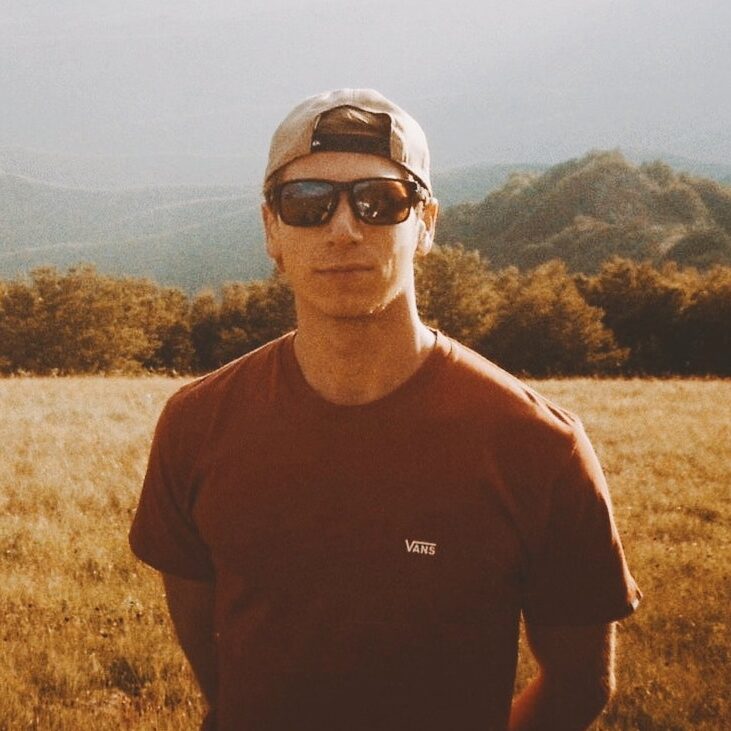
Filip Petreski is the founder of AFIELD and a multi-sport outdoor athlete. A two-time national cross-country MTB champion, snowboard instructor, and former dirt bike rider, he writes about the people, gear, and culture worth paying attention to in the outdoor world.