
On July 25th, five climbers from Bosnia died on Mount Elbrus. The highest peak in Europe. 5,642 meters. A mountain that attracts over 10,000 people a year and looks, in the right conditions, like something you could walk up.
Seven people started the ascent. Two came home.
I’ve been thinking about this since I read the first report. I’ve never been on Elbrus. I’ve been above 3,000 meters once, on a glacier in the French Alps, bluebird sky, sun on the snow, people around me laughing. I was 20 or 21 years old and it felt like the world had opened up. The mountain showed me its best face that day. That’s what mountains do first.
What happened on Elbrus is what happens when the other face shows up.
At a Glance
On July 25, 2026, five of seven climbers from Bosnia, died on Mount Elbrus after a severe storm hit at 5,100 meters(~16700ft). Winds escalated from 45km/h(30mp/h) to 70km/h(44mp/h) in approximately 20 minutes. Temperatures dropped to -20°C (−4°F)with complete whiteout. Two survived. A separate group of six climbers from Herzegovina turned back 150 meters (500ft) below the summit when conditions shifted and all six walked away.
Elbrus elevation – 5,642m (~18,510ft)
Weather window before fatal storm – 20min
Temperature at the saddle – −20°C (−4°F)
Did not return – 5/7
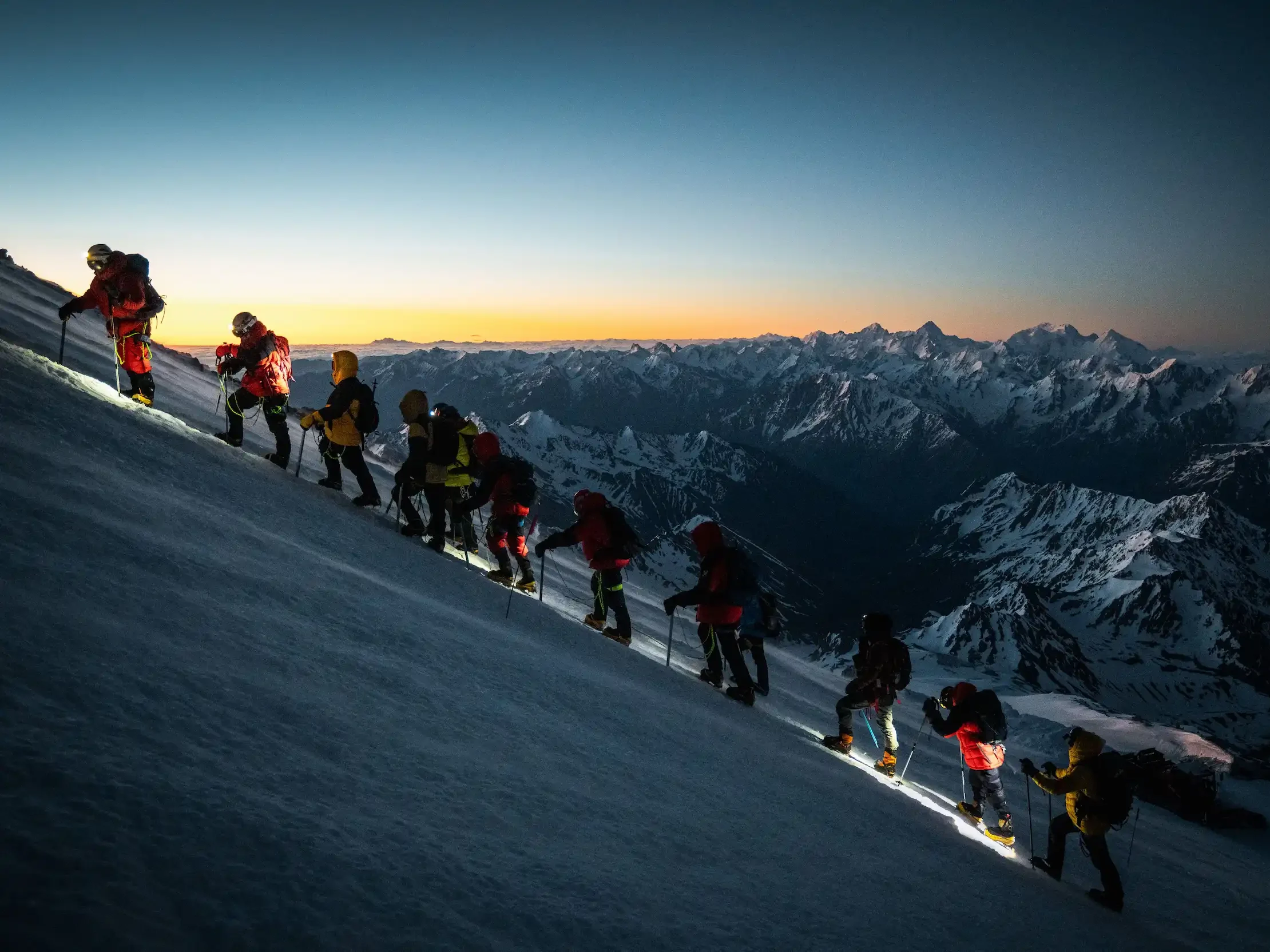
Five People Died. This Is What Happened.
The group was seven people. All from Zenica. Members of Hiking Club “Vedro” and the Mountain Rescue Service Zenica. They’d traveled to the Caucasus with a plan, trained every weekend, knew each other well. The expedition leader, H.A., described the team as experienced and prepared.
They began the ascent under favorable conditions. Somewhere around 5,100 meters (~16700ft), part of the group had already anchored ropes higher up and assessed the route ahead. Conditions at the summit were worse than what they could see below. They decided to turn back.
Twenty minutes later, the weather changed.
Winds went from 45 to 70 km/h (30-44mp/h). Temperature dropped to -20°C (−4°F). Heavy snow and complete whiteout. The kind where the sky and the ground become the same colour and you can’t tell which way is forward. Two members became severely ill at the saddle.
H.A. descended alone and raised the alarm. Russia’s Emergency Situations Ministry sent a 16-person rescue team. By the morning of July 26th, five deaths were confirmed. The victims: M.Č., a married couple, A.O. and D.O., A.K., and N.T.
K.V. was found by rescue teams mid-descent, unable to continue on his own.
“I think the main cause was an incorrect weather forecast.”
– H.A., expedition leader and survivor, Elbrus July 2026
Artur Chagov of the Elbrus High-Altitude Search and Rescue Squad responded publicly: “Climbers during difficult ascents should be guided not only by the weather forecast, but also by the actual situation.“
Russia’s Investigative Committee opened a formal investigation.
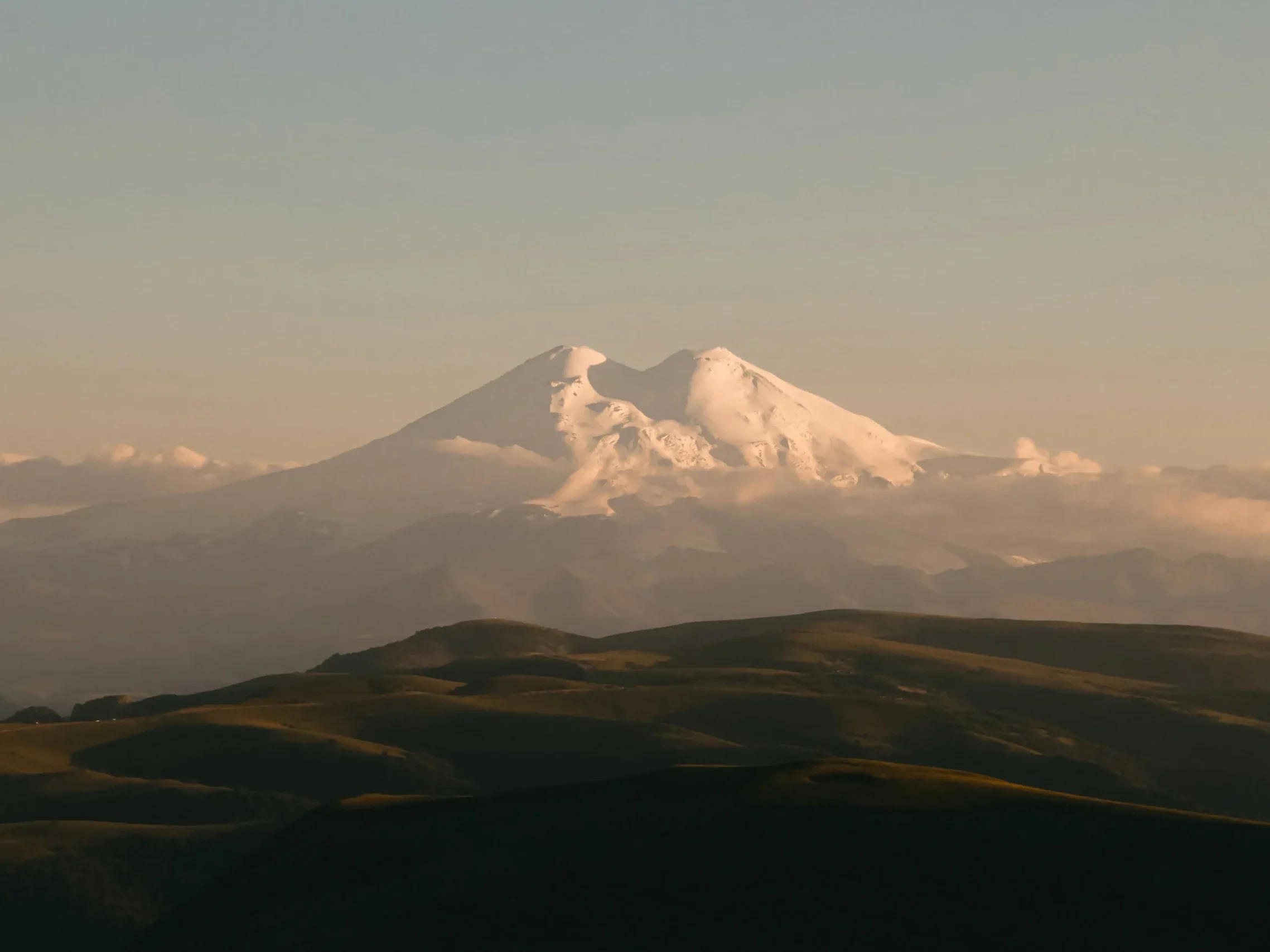
Elbrus Is Not What It Looks Like
Elbrus draws climbers because of its reputation for being accessible. There’s a gondola. There are huts. The most popular southern route doesn’t require the technical skill of an 8,000-meter peak. You can read about it in a weekend and feel like you understand what you’re signing up for.
That reputation is part of what makes it dangerous.
15–30 Climbers die on Elbrus every year
Out of 10,000–12,000 annual attempts. Peak year on record: 48 deaths in 2004. Nearly all fatalities involve climbers without a local guide. – Global Summit Guide / Elbrus Search & Rescue Service
At 5,000 meters (~16,400ft), the oxygen in the air is roughly half what it is at sea level. The terrain above the saddle is a vast featureless snowfield. In good visibility it’s disorienting. In a whiteout it’s impassable. Weather forecasts at that altitude can be wrong in the specific way that matters most, the timing. The storm doesn’t wait for the model to catch up with it.
Only 60% of Elbrus attempts reach the summit.
The Group That Turned Back
On the same day, on the same mountain, a group of six climbers from Herzegovina were also ascending Elbrus. From Gacko, Bileća, and Trebinje. They reached approximately 150 meters (500ft) below the summit. They felt the weather shifting.
Zenica, Bosnia group – 7 climbers
Continued past 5,100m (~16700ft) after initial weather concerns. Storm hit within minutes of the turn-back decision.
5 did not return
Herzegovina group – 6 climbers
Reached 150m (500ft) below the summit. Felt the weather shift. Turned back before conditions became fatal.
All 6 survived
That decision, 150 meters from the top, is the decision. Not a failure. Not a retreat. The summit is a direction, not a guarantee. Everyone who spends serious time in the mountains eventually learns this. The climbers who turn back aren’t the ones who didn’t make it. They’re the ones who understood that making it home is the actual goal.
What the Mountains Ask of You
I’ve been on Macedonian mountains: Pelister, the ridges above Sar Mountains, others sitting above 2,000 meters. I know the feeling of going up on a clear morning and watching the valleys disappear below you. There’s nothing like it. Then I went to the French Alps, slept in Val Claret, took the funicular above 3,000 meters and stood on a glacier with the sun on the snow and people all around me feeling the same thing. It’s a version of what I wrote about in the cross country mountain bike race I’ll never forget, you set yourself in front of something bigger than you and see what happens.
It was beautiful. Effortless, even. I was 20-21 years old.
That’s the first thing the mountains teach you, when they’re beautiful, you think you understand them. You don’t. You’re seeing the side they chose to show you that day.
The Zenica group were experienced. They trained every weekend. Several were members of a mountain rescue service, people trained to go into the mountains and bring others back down. They had bad weather information. Twenty minutes was enough.
There’s no checklist that makes you immune. But there are things that give you a fighting chance:
- 01. Get a local guide.
Not because you can’t read a route, but because a local guide has stood on that specific mountain in every mood it has. They’ve seen the signs before the signs become obvious. On a mountain you’ve never been on, that difference is everything. - 02. Don’t trust a single forecast.
Check multiple sources. Ask at the hut. Ask whoever came down that morning. Mountain weather moves faster than any model tracks it. Treat every forecast as one data point, not the answer. - 03. Know when to move before you need to.
The Herzegovina group felt the shift and acted. They didn’t wait for the situation to become a crisis. That window, between sensing something and responding, closes fast. On Elbrus last week it closed in 20 minutes. - 04. Acclimatize properly.
Acute mountain sickness affects 38% of people at 3,500 meters (~11,500ft) and more than 60% above 6,000 meters (~19,680ft) (PMC, 2022). High altitude pulmonary edema is fatal in 50% of untreated cases. These aren’t edge cases. They’re what happens when you go up too quickly. Recommended acclimatization before an Elbrus summit push, at least one week at altitude. - 05. The summit is optional. Coming down isn’t.
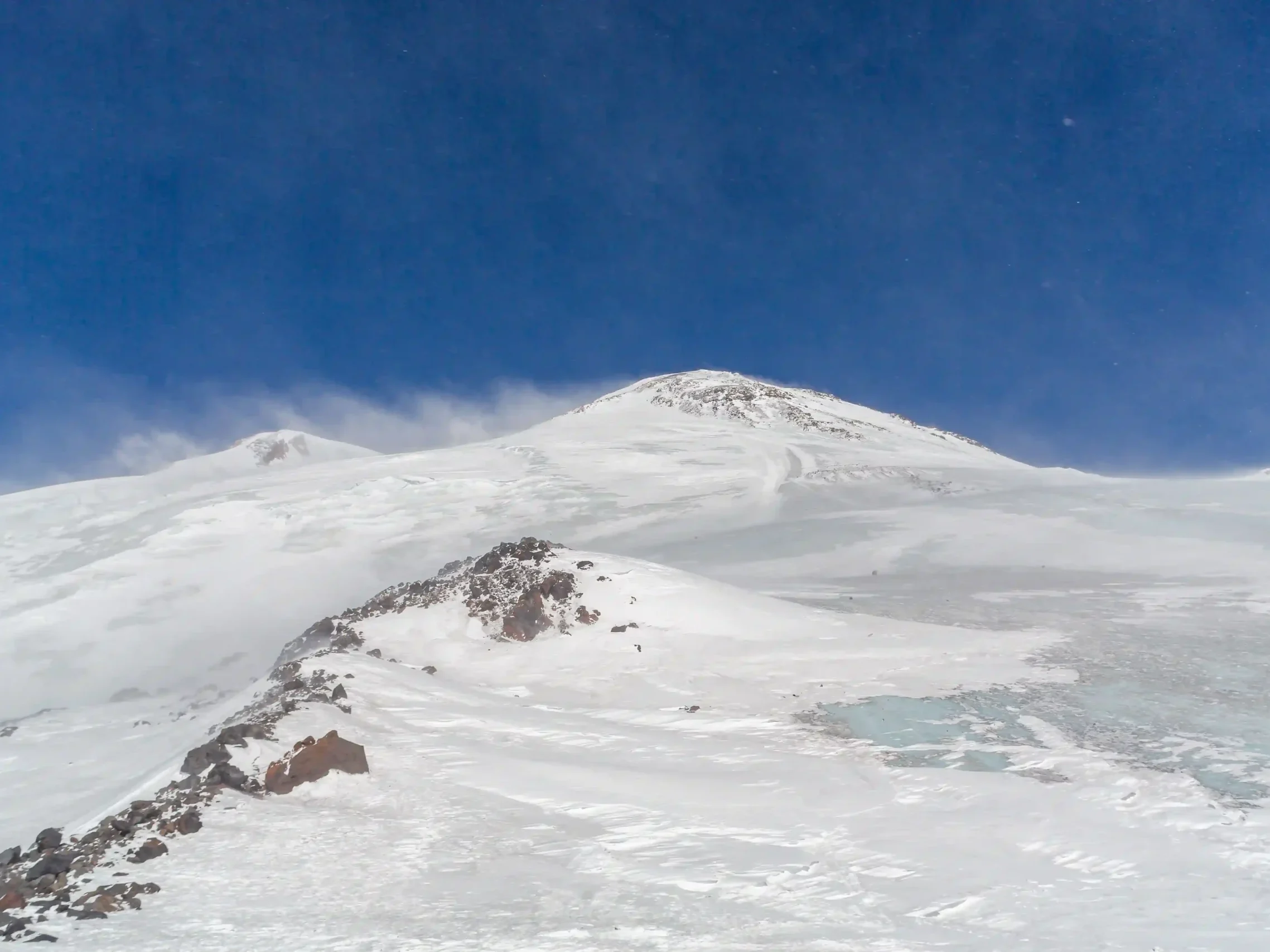
A Good Place to End
AFIELD exists to support people who go into places like this, athletes who take on mountains. To tell their stories properly. And eventually to help make the trips possible for people who have the drive but haven’t found the way yet.
Right now, as I write this, a friend is attempting a speed climb on the Matterhorn. He’s exactly the kind of person this site exists for. Light legs, in trail running, mountain biking and the mountains in general, that’s how you wish someone well. May everything feel smooth. May the mountain give you what you came for.
Five people from Zenica went up Elbrus last week and didn’t come back. They were experienced. They were prepared. They had the wrong forecast. Their club said it simply:
“Planine će vas pamtiti.”
The mountains will remember you.
That’s the thing about mountains. They don’t ask whether you’re ready. They don’t weigh your resume or count your previous summits. They present the conditions and you respond. Respect isn’t a feeling you have toward them. It’s a discipline you practice every time, before you leave, on the way up, and especially on the way down.
Go out there. Go to the mountains. Just go prepared. And if you’re starting small, going for a walk every day is where most of it begins anyway.
Filip Petreski is the founder of AFIELD and a multi-sport outdoor athlete. A two-time national cross-country MTB champion, snowboard instructor, and former dirt bike rider, he writes about the people, gear, and culture worth paying attention to in the outdoor world.