
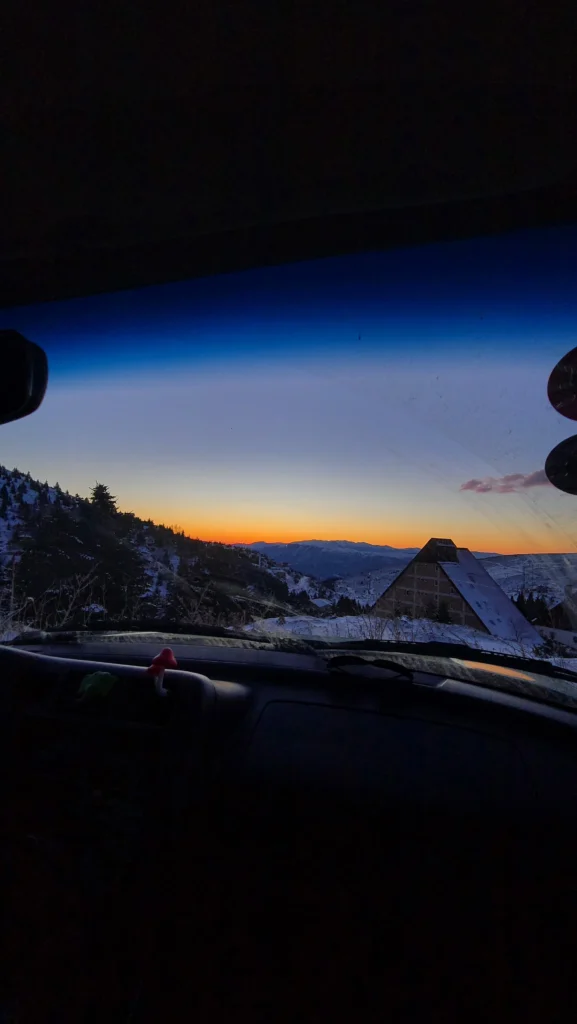
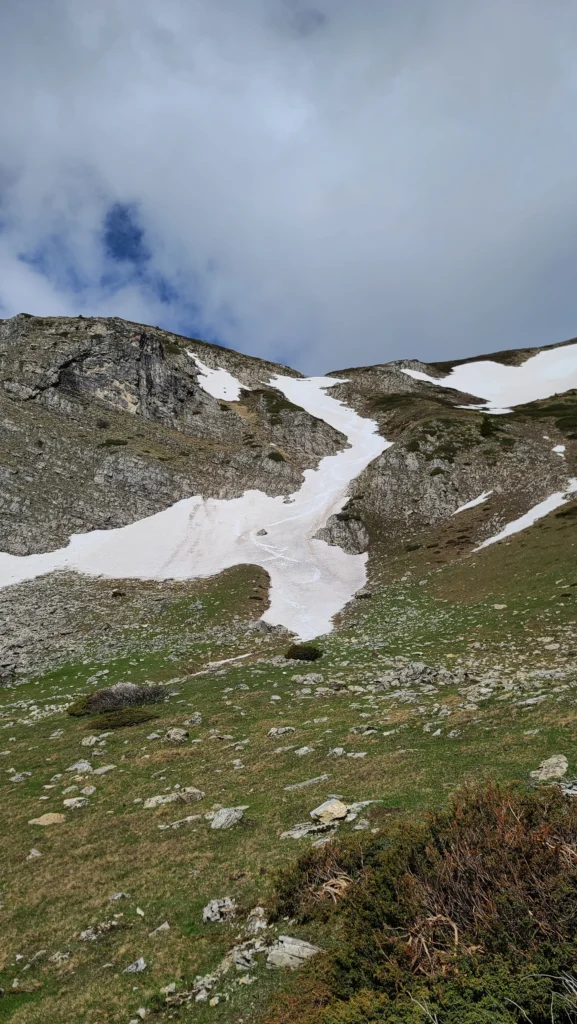
It was late april. Snow still on the peaks, slush on the south-facing slopes. A really good friend called with a beautiful idea and I was down. That was the whole plan. We drove up before sunrise, I suggest to not miss it, climbed the peak, rode the slush all the way back down the mountain, walked back to the car. Zero planning. Just went.
That’s how the best ones happen.
Most guides on how to plan a weekend adventure will give you a long checklist and leave you more paralyzed than before you started. That’s the problem. The planning becomes the project, and the trip never happens. According to a National Recreation and Park Association survey from 2024, 57% of people who want to get outdoors more cite “too much preparation involved” as a barrier. That number should be embarrassing. The outdoors doesn’t have a velvet rope.
This isn’t a list of apps to download. It’s a framework for lowering the threshold so far that you just leave.
The Bottom Line
- Most people over-plan and never go. The minimum viable trip is the real framework.
- You only need 4 decisions before leaving: who, where roughly, one key piece of gear, one safety check.
- Micro-adventures count. Fifteen minutes in a forest is still a win.
- Weather isn’t a reason to cancel. It’s part of the deal.
- The best things out there can’t be planned for. They only exist if you show up.
Why Most People Never Actually Plan a Weekend Adventure
Most people don’t fail to plan a weekend adventure. They over-plan it. They research trails for three weeks, check weather forecasts for ten days straight, debate gear in forums, then the weekend arrives and it doesn’t feel perfect so they don’t go. A Outdoor Industry Association 2024 participation report found that 44% of people who identify as “outdoor enthusiasts” took fewer than four outdoor trips in the previous year. Not because they couldn’t. Because the friction of starting never got low enough.
The research spiral is real. There’s always another trip report to read, another gear review to watch, another friend whose schedule you’re waiting on. Meanwhile the weekend passes. Then another one does.
Here’s the thing nobody says out loud: most of the information you’re collecting doesn’t change whether the trip is good or not. The trail conditions report won’t tell you about the unexpected viewpoint off the main route. The gear comparison thread won’t give you the feeling of cold air at elevation after a long climb. You learn those things by going.
The cost of not going isn’t just a missed weekend. It compounds. Every time you decide the conditions aren’t quite right, you reinforce the habit of not going. That’s the actual problem with over-planning a weekend adventure.
The Minimum Viable Trip – How to Plan a Weekend Adventure Without Overthinking It
The minimum viable trip framework is four decisions. That’s it. Everything else, you figure out when you get there. The single biggest predictor of whether people actually complete an outdoor trip is whether they commit to a specific departure, not whether they have a perfect itinerary. Commit to leaving. The rest follows.
Here are the four decisions worth making:
1. Who’s going. Call one person. Text works too. You need a yes or no, not a group chat negotiation that runs for two weeks. One friend who’s down is enough. The slush ride was two of us. That’s plenty.
2. Roughly where. Not a GPS coordinate. Not a specific trail with waypoints. A direction. “Shar Mountains.” “Bistra.” A general target lets you adapt when you arrive and find out the road is closed, or the original spot is crowded, or a better option reveals itself on the way in.
3. One key piece of gear. Depending on the activity, this is the one item that changes what you can do. Going for an enduro ride? Bikes loaded. Heading somewhere cold overnight? Sleeping bag confirmed. One check. Not forty.
4. One safety item. Tell someone where you’re going. Charge your phone. Carry water. Pick one that fits your terrain and check it. That’s the whole safety plan for a day trip.
Everything else, you sort on arrival. Parking, route variations, where to eat on the way back. Figure it out. That’s the point.
Daily Micro-Adventures Count Too
I live on the edge of a forest park. Sometimes an adventure is 15 minutes. I grab the bike, ride to a bench in the trees, sit there for a few minutes, and ride back. That’s it. Sometimes I throw the hammock in my bag, find a good spot, lie there watching the branches move, write something in a notebook. Feels so good every single time.
Adventure culture has this implicit rule that trips need to be epic to count. They don’t. A micro-adventure, as Alastair Humphreys defines it, is “short, simple, local, and cheap – yet still fun, exciting, challenging, and rewarding.” He’s been pushing this concept since 2014 and the core idea holds, you don’t need a passport or a week off work to get outside and feel something.
The 15-minute forest ride is still a win. It keeps the habit alive. And on a week where the big weekend trip didn’t happen, those small sessions are what stop the drift back toward sitting inside all the time.
What qualifies as a micro-adventure? Anything where you go somewhere on purpose and pay attention when you get there. Even if it’s a park two blocks away. Even if it’s just long enough to eat lunch outside. The bar is low. That’s by design.
Weather Is Not a Reason to Cancel a Weekend Adventure
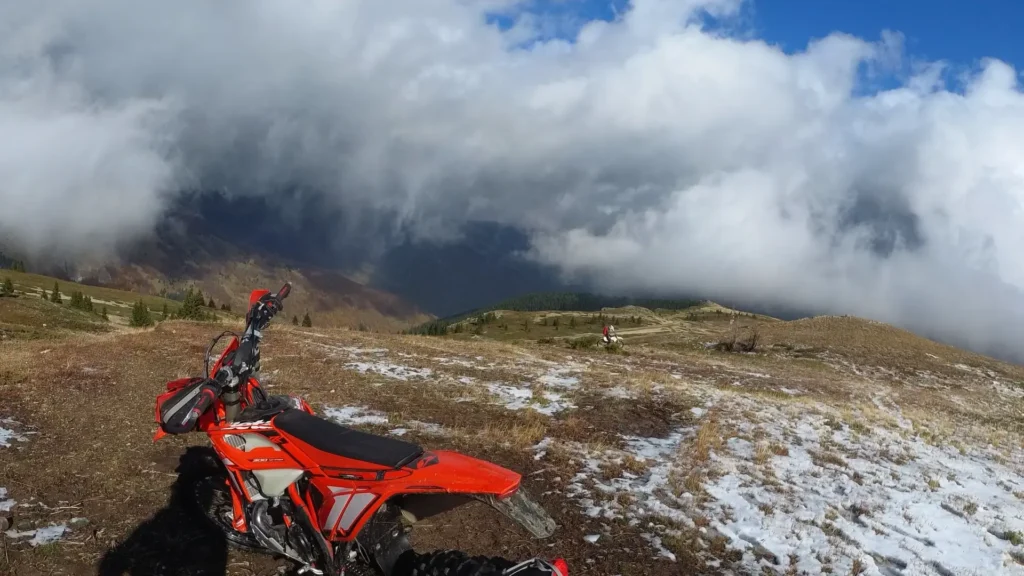
My friend called me the night before and mentioned it was going to pour. We went anyway. Enduro riding in the rain. Got completely soaked. Towed the dirt bike back while dripping wet on a trail that had turned to mud. Still went. Don’t regret it at all.
I don’t personally check the weather before going out. If someone else mentions it, fine. But it doesn’t change whether I go. I think that most outdoor mishaps come from poor decision-making on the ground, not from weather that wasn’t forecasted. Meaning, the actual risk isn’t the weather. It’s how you respond to it when you’re out there.
Rain makes things wetter. Wind makes things colder. Neither is a reason to cancel if you’ve got appropriate layers and the right attitude. I’ve had some of my best rides in conditions that looked miserable on a weather app. The trail empties out, the mud is either perfect or character-building, and you come back with a story.
The only weather that should change your plan is genuine safety risk, lightning in exposed terrain, whiteout conditions, temperatures that push into real hypothermia territory for the kit you’re carrying. That’s a short list. Most of what gets labeled “bad weather” is just uncomfortable, and uncomfortable is survivable.
Go anyway.
What You Only Find When You Actually Go
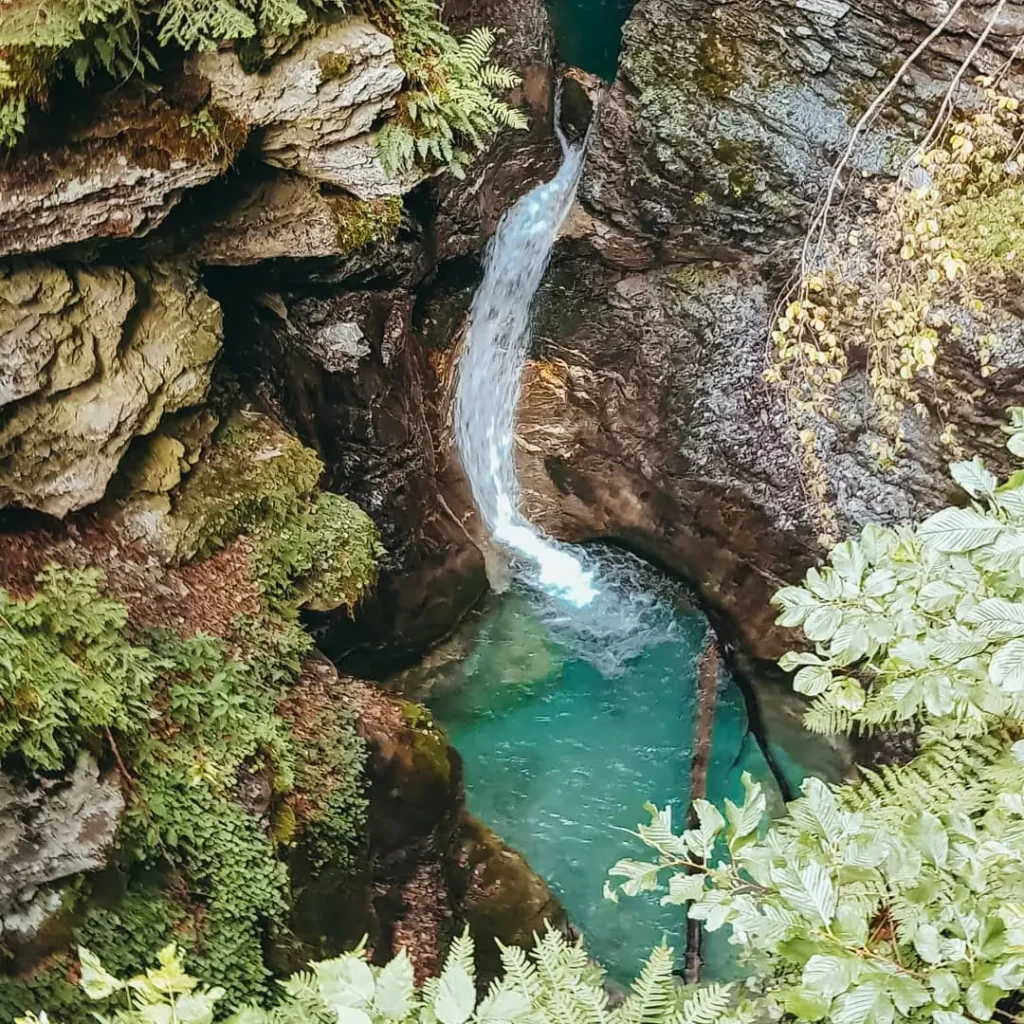
This is the part no planning guide can account for. When you actually go, the place gives you things you couldn’t have put on the itinerary. A cold waterfall you didn’t know was there. Spring water from a mountain source that tastes like nothing you’ve ever had from a bottle. Wild strawberries on the side of the trail in June. Flowers blooming on a hillside you’ve ridden past a hundred times but never stopped to look at. Tea herbs growing along the treeline.
These things are always there. They only find you if you show up.
According to research published in the Journal of Environmental Psychology, even brief unplanned encounters with natural environments produce measurable improvements in mood, stress reduction, and cognitive restoration. The science confirms what anyone who spends time outside already knows, the best part of the trip is usually the part you didn’t plan.
That’s the case against over-planning a weekend adventure. Every hour you spend optimizing the itinerary is an hour you’re not spending outside, where the actual rewards are. The strawberries don’t care about your research. The waterfall isn’t waiting for you to read the trip report first. They’re already there.
The only way to find them is to go.
How to Plan a Weekend Adventure in Under Ten Minutes
Practical recap. Here’s the complete process, timed:
Minute 1: Decide you’re going. Not “thinking about going.” Going.
Minutes 2-3: Text one person. “Riding Saturday?” Wait for a reply. If they’re in, great. If not, decide if you’re going solo or picking someone else.
Minutes 4-5: Pick a general area. Not a specific trail. A direction and a rough distance. “An hour drive south” is enough of a target.
Minutes 6-7: One gear check. Is the critical piece of equipment in working condition? Bike tires inflated? Boots in the car? Pack in the hall? One confirmation, done.
Minutes 8-10: Safety baseline. Phone charged. Someone knows the general area you’re heading to. Water in the bag.
That’s it. Ten minutes. You’ve planned a weekend adventure. Everything else is details you sort when you get there.
If this sounds too simple, that’s the point. Adventure planning has been made to feel complex by people who benefit from selling you complexity. The actual barrier to getting outside is almost always just the decision to go.
Frequently Asked Questions
How do I plan a weekend adventure if I’ve never done it before?
Start with one friend and one direction. You don’t need experience to plan a weekend adventure worth having. Pick a general area within an hour or two of home, confirm one piece of gear is ready, and go. I think first-time outdoor adventurers who start with simple local trips are significantly more likely to develop lasting outdoor habits than those who attempt big-scale first trips.
What’s the minimum gear for a spontaneous weekend trip?
For a spontaneous weekend trip, you need water, appropriate footwear, a layer you can add when temperature drops, your phone charged, and someone who knows where you’re going. That’s the baseline for a day trip. Overnight adds a sleeping layer and shelter. Everything else is optional until you’ve identified a genuine gap in your kit from doing trips and noticing what you actually reached for.
How do I get friends to actually commit to a spontaneous weekend trip?
Ask one person directly, not a group chat. Group chats kill spontaneous weekend trips. One direct ask, yes or no, moves faster than any thread. If they can’t make it, ask if they know someone who can. Two people is plenty for most trips.
Is it safe to plan an adventure with minimal preparation?
Yes, with a sensible baseline. Tell someone your general area, carry water, have a way to communicate in an emergency, and don’t underestimate the mountain. Over-confidence in technical terrain is a far more common factor in outdoor incidents than under-preparation on casual day trips. Know your level and start there.
What counts as a weekend adventure?
Anything you do on purpose outside your normal environment, with at least a small element of physical effort or exploration. A 15-minute hammock ride into a forest counts. A full-day peak climb counts. The scale doesn’t define it. The intention and the presence do.
Stop Planning. Go.
The best weekend adventures I’ve had were the ones that started with a short text and ended with a story I didn’t expect to have. The slush ride. The soaking enduro session nobody should have enjoyed but we did. The afternoon in the hammock that turned into watching the forest shift from afternoon light into something quieter and darker and completely still.
None of those happened because I planned them well. They happened because I went.
If you’ve been waiting for better weather, more time, a bigger budget, a more organized group, or just the right moment, it’s not coming. The right moment is the moment you decide you’re going. The threshold is lower than you think. The trip is already there. You just haven’t left yet.
How do you plan a weekend adventure? You stop treating it like a project and start treating it like a decision. Make the decision. Go figure it out from there.
Check out the MTB kit list or Amazon outdoor gear picks if you want to make sure your baseline kit is sorted before you go.

Filip Petreski is the founder of AFIELD and a multi-sport outdoor athlete. A two-time national cross-country MTB champion, snowboard instructor, and former dirt bike rider, he writes about the people, gear, and culture worth paying attention to in the outdoor world.