
I’m going Wednesday night. My wife and I haven’t fully nailed down the spot yet. There’s a place I have in mind but I think it’s going to be crowded, and I’d rather not spend the best hours of the night surrounded by other people’s car headlights. So I might do a bit of scouting before then and that’s fine, it’s part of the adventure. People have been figuring out where to watch the sky since before there were maps, and they managed. The Perseid meteor shower 2026 peaks on the night of August 12–13, and this year the conditions are about as good as they get. I looked into why, because I wanted to understand what’s actually happening before I drag a blanket outside at midnight.
At a Glance
- The Perseid meteor shower peaks the night of August 12–13.
- A new moon this year means zero moonlight and up to 100 meteors per hour at a dark site.
- You need a blanket, something warm, and somewhere outside the city lights
What’s Actually Up There
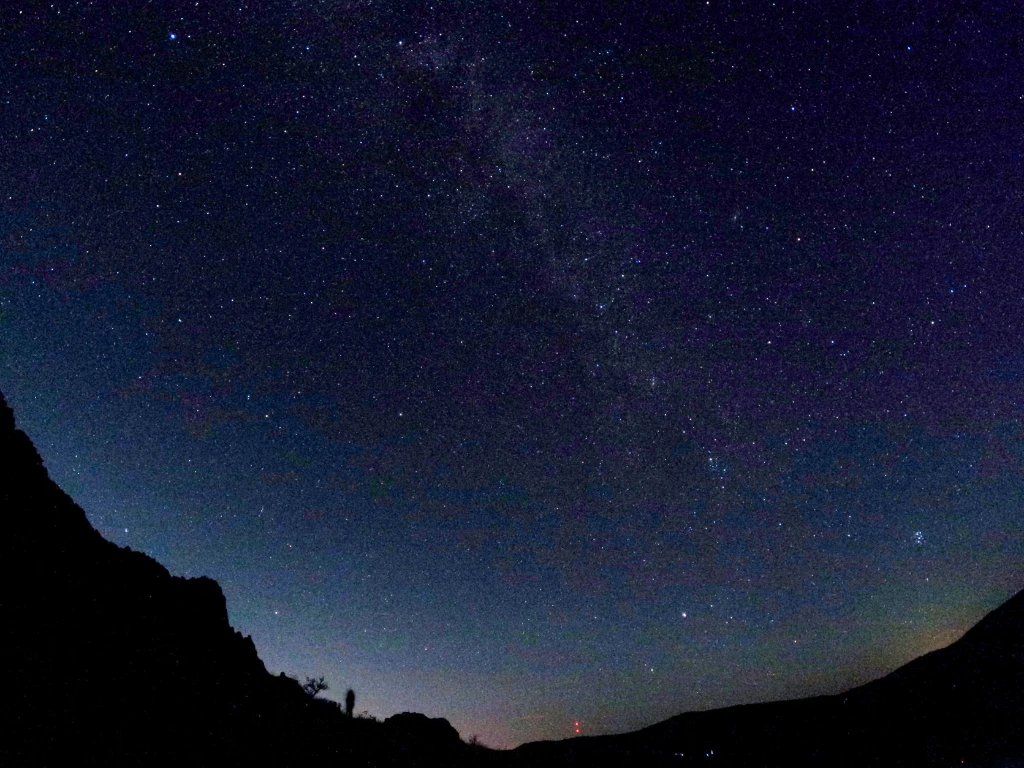
The streaks aren’t random. Every August, Earth passes through the same debris trail left behind by Comet 109P/Swift-Tuttle, a comet that takes 133 years to orbit the Sun and last came through the inner solar system in 1992 (NASA). It won’t be back until 2126. What we’re watching Wednesday night is material the comet shed on one of its previous passes, still drifting through the same stretch of space, still in roughly the same orbit.
When those particles hit our atmosphere, they’re travelling at 59 km/s, which is 37 miles per second (NASA). Most of them are no bigger than a grain of sand. They burn up about 100 km above your head, and by the time you register the streak across the sky, it’s already done.
Chinese astronomers documented the Perseids in 36 CE, recording about a hundred meteors in a few hours. It took until 1867 for Italian astronomer Giovanni Schiaparelli to actually prove the connection to Swift-Tuttle (Britannica). Nearly two thousand years of people watching this exact debris trail without knowing what it was or where it came from. They’re called Perseids because the meteors appear to radiate from the constellation Perseus, which sits in the northeast part of the sky.
The scale of it is kind of hard to sit with. A grain of sand, moving at 59 kilometres per second, burning up in under a second, seen from the ground as something beautiful.
Why This Year Is Worth Going Out For
Most years the Perseids have to fight the moon. There’s usually enough moonlight to wash out the fainter meteors and you end up watching maybe a third of what’s actually crossing the sky. This year is different. The new moon falls on August 12, the same night as the peak (Weather.com, Universe Today). Zero moonlight. The darkest skies this shower has had in years.
Under those conditions, NASA puts the peak rate at up to 100 meteors per hour (NASA). More than one a minute. That number lands differently once you’ve sat outside in actual darkness and watched the sky open up.
After midnight is when it really opens up. The later you stay out, the better it gets as the radiant point rises higher in the sky.
You don’t need to be anywhere special. You just need to get away from city lights. A hill outside of town with no buildings blocking the view is enough. Or if you want proper dark skies, going higher up is always an option. I wrote about a night out on Rtanj not long ago, same idea. Search “light pollution map” and you’ll find websites and apps built for exactly this, mostly by serious night sky photographers who plan their shoots around it. They’ll show you the nearest dark zones.
The Night Picnic
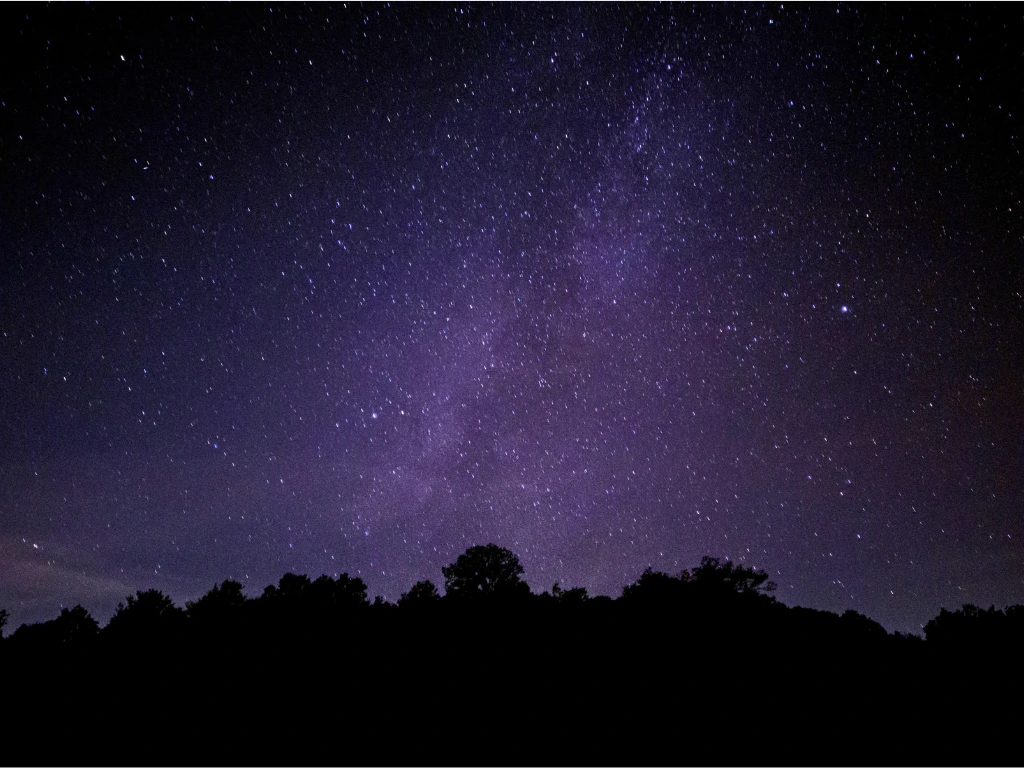
A few years back I went with a bigger group than I expected. About ten people, three cars, drove up to Kokino, a megalithic observatory in Macedonia that’s been there for roughly four thousand years. NASA ranks it as one of the four most significant ancient observatories in the world. Stone walls, open field around it. We were there for a meteor shower, and so was everyone else it turned out. Didn’t matter. Everyone just found a patch of grass, got their chairs and blankets out, opened whatever they’d brought to eat and drink, and lay down.
It was dark enough that nobody was really on their phones. That wasn’t a rule anyone set. It just happened.
What you need for a night like this is genuinely simple. A blanket to lie on, a warm layer because it gets cold after midnight even in summer, snacks, something to drink. That’s the whole night picnic. You don’t need to overthink any of it, and you don’t need to commit to a long drive or complicated planning. Go somewhere dark, lie down, look up. The time you spend outside at night, away from screens, doing nothing in particular, tends to feel better than you expect it to.
One of my friends at the time had a proper camera and got some really good shots of the night sky. A phone works too if you play with the settings. GoPro night lapse mode was basically made for a situation like this. But none of that is required. You can just watch, that’s the beauty of it.
Every time a meteor crossed the sky that night, someone in the group had just looked the wrong way. Always the biggest one. Always. That person would immediately tell everyone what they’d missed, in detail, and everyone who saw it would make sure they understood exactly how spectacular it was, also in detail. Then we’d all settle back in and wait for the next one. It became the whole game, and it carried us through the night.
I’m not going to tell you that made it better. But it definitely didn’t make it worse.
August 12–13, after midnight. Find somewhere with less light than where you live, bring a blanket and something warm, and go. Make a wish when one crosses the sky. It’s a reasonable thing to do with an ancient grain of comet dust burning up above your head. Someone in your group is going to miss the biggest one of the night. That’s basically guaranteed.
Bring whoever you’d want next to you when something beautiful happens.
Filip Petreski is the founder of AFIELD and a multi-sport outdoor athlete. A two-time national cross-country MTB champion, snowboard instructor, and former dirt bike rider, he writes about the people, gear, and culture worth paying attention to in the outdoor world.