
There’s a moment just before I go. Not a decision, more like a feeling where every option indoors has been exhausted, scrolling does nothing, sitting does nothing, work feels like it’s going in circles, TV feels like a waste. So I put my socks on. Three minutes later I’m in the trees.
I’ve been doing this for months now. No fixed time, no set distance, no app tracking it. Just going for a walk every day, or close enough to every day that the gap doesn’t matter. It’s the one thing I actually keep doing.
At a Glance
Going for a walk every day, no fixed time, no headphones, 20 minutes, is the one habit Filip has kept for months. A 20-minute walk reduces cortisol by up to 20% (Stanford Lifestyle Medicine). The bar to start is lower than you think.
It Doesn’t Have a Time
The walk happens when it happens. Morning sometimes, noon sometimes, late in the night when the day ran longer than expected. There’s no alarm for it, no blocked time in the calendar, no ritual that has to be completed first. The urge arrives and I go.
Working from home is the context, because it matters. When your commute is the ten steps from your bed to your desk, you have to manufacture the break yourself or you don’t get one. The screens don’t turn off on their own. Nobody tells you to stop.
The moment I recognize is a specific kind of boredom. Not the lazy kind where you want to do nothing. The kind where you want to do something but everything available feels wrong, Instagram is just more input, another series is time passing, more work is going in circles. That’s the signal.
You put your socks on. That’s the whole decision.
What Actually Happens Out There
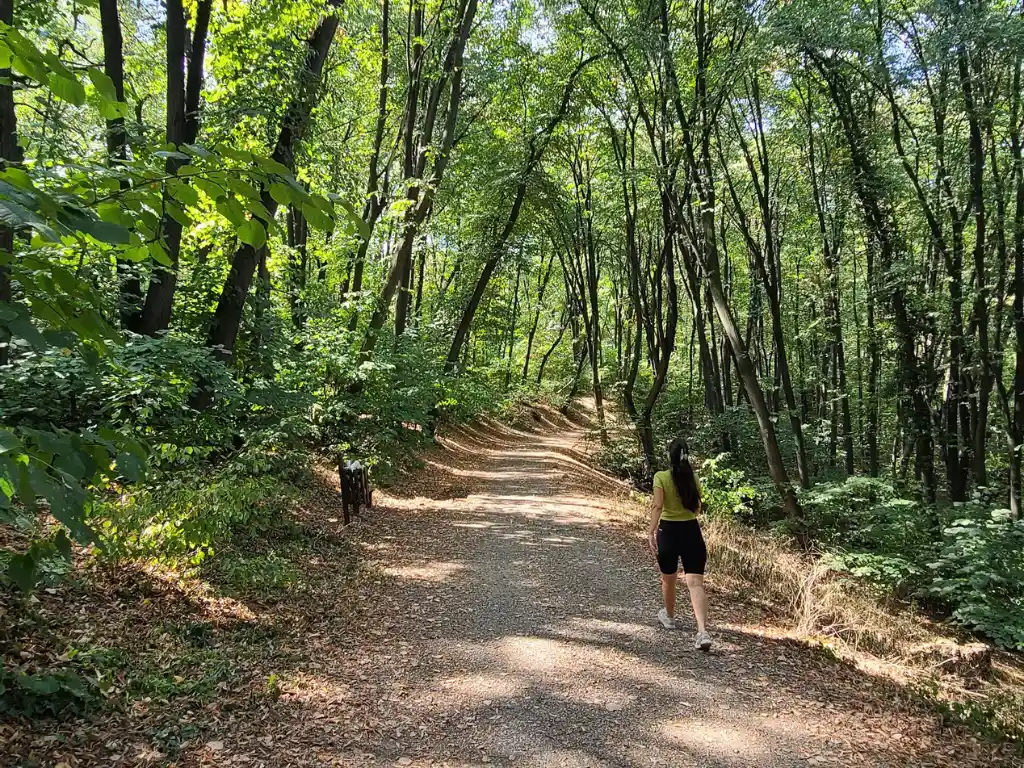
There’s a small forest park three minutes from my apartment. Not a national park, not a hiking destination. Just trees and a path and the sounds that come with them. I walk in and whatever was running on a loop in my head has somewhere to go.
I don’t wear headphones. I’m going out there to hear what’s there, not to pipe more content into my ears. At home there are no birds. Out there, there are. So I listen.
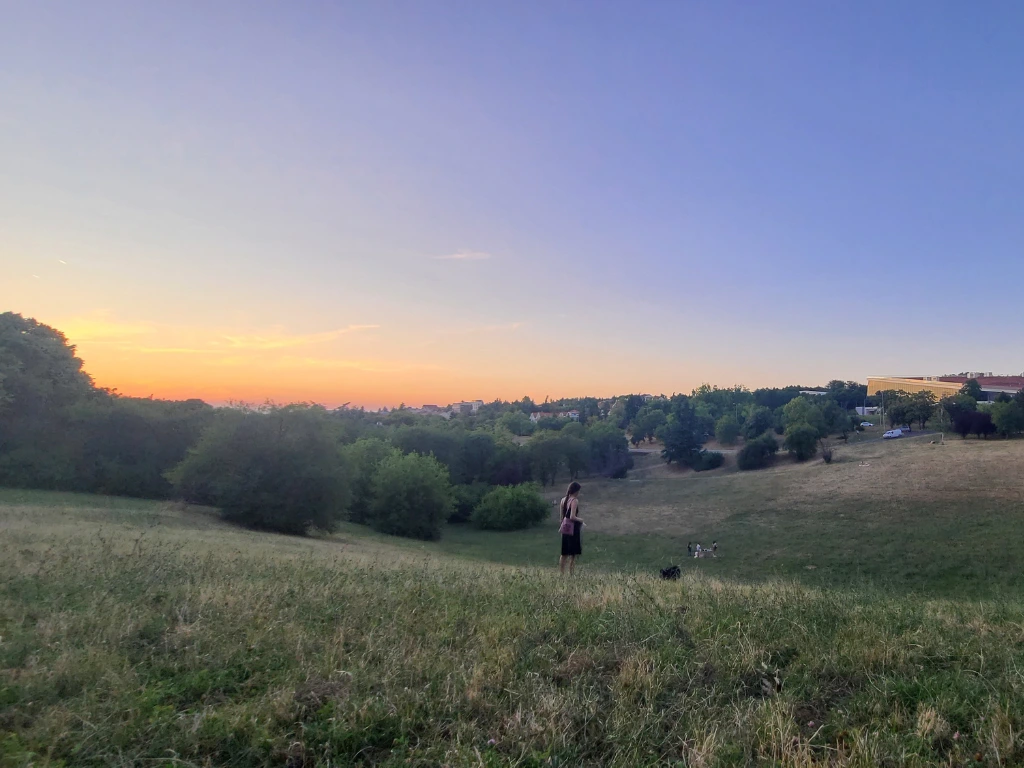
Some evenings you catch a sunset. The light drops through the treeline low and orange, and you stop mid-step without deciding to, no reason to keep walking while that’s happening. You just watch it change until it doesn’t anymore. Whatever the day was before that moment sits differently after.
The research exists if you want it. A 20-minute walk reduces cortisol by up to 20%, which is your body’s main stress hormone (Stanford Lifestyle Medicine). A 2025 study in BMC Psychiatry found that people who walked at least 10 minutes a day for five or more days a week had significantly improved anxiety symptoms. If you want the full breakdown of what being outside actually does to your head, we covered it properly in our nature therapy and mental health post. This isn’t that.
The walk doesn’t count as exercise in my head. It serves a completely different purpose, and that’s why it works.
Last week I went mountain climbing. The day after, my legs were genuinely tired, the kind of tired where going up stairs feels deliberate. I still went for the walk. Still felt good after. It reset me regardless of how depleted I went in.
You Don’t Need Much
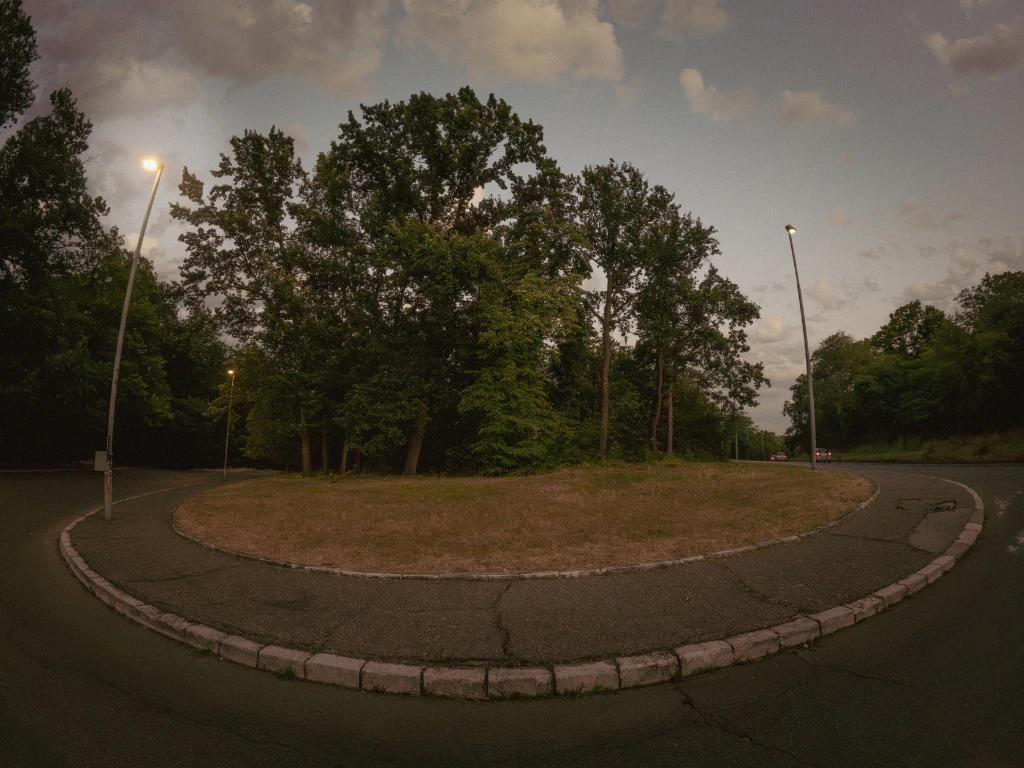
It rained last week. The forest path gets muddy and I didn’t want to deal with it, so I did a loop around the neighborhood instead. The forest was still there on the side of me, it worked just as well.
The reset isn’t about the scenery. It’s about being somewhere you aren’t. Not at the desk. Not on the couch. Not in front of a screen. You’re outside and you’re moving, and that’s the whole mechanism.
Twenty to thirty minutes is enough. Not a number to chase, just the range where the mental shift tends to happen. The cortisol research points to the first half-hour as the window where the drop is fastest, and the nature therapy post has the full detail on that.
Most days, not every day. Sometimes life is genuinely in the way. You go back the next day and it’s fine. The habit doesn’t need a perfect record.
Most days is enough.
Leave the Phone at Home
Headphones are just the phone through your ears. If you’re plugged in, you didn’t really leave.
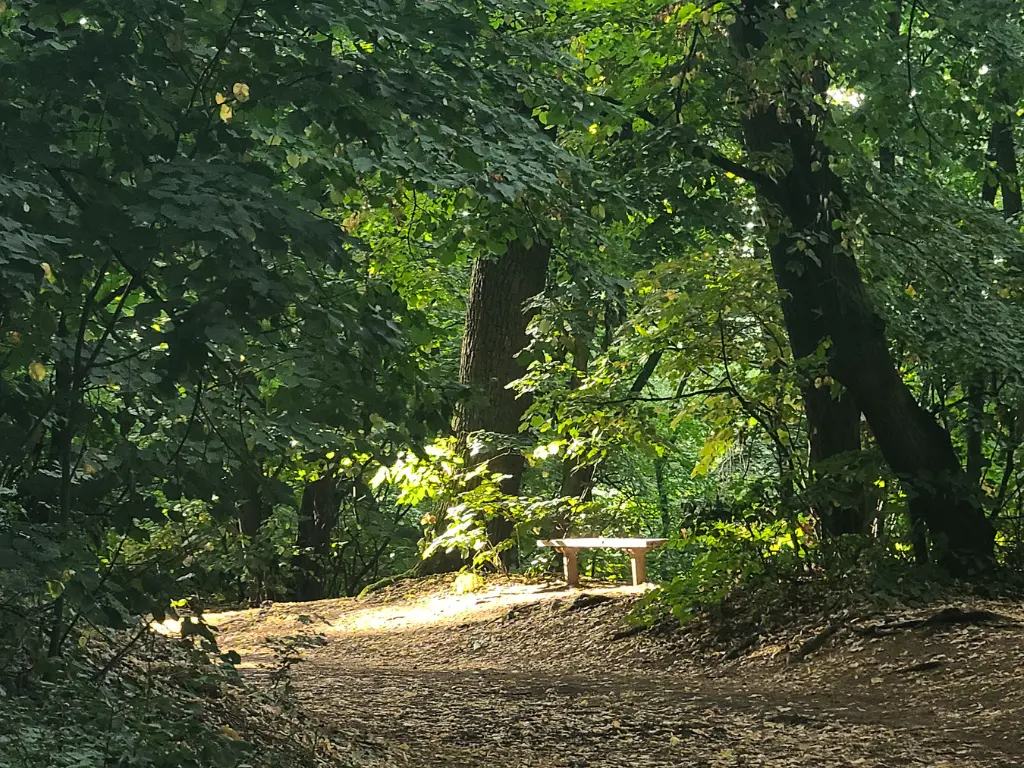
The point of going for a walk every day, for me, is to think. To hear what’s actually in my head instead of putting something else in there. Talk to yourself. Nobody’s watching. Work out the thing that’s been sitting unresolved since Tuesday. Let the boredom arrive and see what it turns into.
Leave the phone at home. Thirty minutes without it won’t hurt a normal person. If your job requires you to be reachable every minute, fine. But most people’s jobs don’t require that, and most people know it.
One note for anyone going on actual trails or in the mountains, don’t bring a Bluetooth speaker. People go out there specifically to not hear what they hear at home. This isn’t a controversial position.
Frequently Asked Questions About Going for a Walk Every Day
How long should a daily walk be?
Twenty to thirty minutes is the sweet spot. A 2019 study in Frontiers in Psychology found cortisol drops fastest in the first half-hour of being outside in a natural setting, then slows (Hunter et al., 2019). Ten to fifteen minutes still works. Start with whatever gets you out the door.
Does it count if I walk in my neighborhood, not in nature?
Yes. The forest is ideal but the neighborhood works. Movement plus being outside are the two variables that matter. A sidewalk loop with trees visible on the side delivers most of the benefit. The reset is about being somewhere you’re not, not about finding the perfect trail.
Do I need to go every single day?
No. Most days is the target. Life interrupts, you skip it sometimes, you go back the next day. Months in, skipping a day here and there hasn’t changed what the habit does. Consistency over time is what matters, not a perfect record.
Three Minutes from the Apartment
My legs were tired yesterday from the mountain. I went for the walk anyway. Twenty minutes in the forest park, three minutes from home, nothing in my ears. It did what it always does.
Months of this. Not perfect attendance, not scheduled, not a routine in any recognizable sense. Just most days.
The mountain climbing day is getting its own post. More on that soon.
For now: put your socks on.

Filip Petreski is the founder of AFIELD and a multi-sport outdoor athlete. A two-time national cross-country MTB champion, snowboard instructor, and former dirt bike rider, he writes about the people, gear, and culture worth paying attention to in the outdoor world.