
274. That’s the number. One route. One day. Eleven consecutive hours on the Nepal south side of the highest mountain on earth.
On May 20, 2026, 274 climbers from 55 nationalities reached the summit of Everest from the Nepal south side, a new single-day summit record, confirmed by Nepal’s Department of Tourism. It shattered the previous Nepal-side record of 223, set in 2019, by 51 people. And it didn’t happen in a vacuum. The same season broke records for permits issued and revenue collected. Three records in one spring window.
That’s what the numbers say. What they don’t say is more interesting.
At a glance
On May 20, 2026, 274 climbers summited Everest from Nepal’s south side in a single day, a new single-day summit record, confirmed by Nepal’s Department of Tourism. The 2026 season also broke records for permits (495 issued) and revenue (Rs 1.07 billion / ~USD 7.19M). Kami Rita Sherpa set his own 32nd-summit world record days earlier, then immediately called for the mountain to be capped.
What Happened on Everest’s Record Single-Day Summit
Nepal’s Department of Tourism confirmed 274 climbers from 55 nationalities summited Everest’s south side in a single 11-hour window on May 20, 2026, from 3 a.m. to 2 p.m. local time (Kathmandu Post, 2026). The previous Nepal-side record was 223 climbers on May 22, 2019. Eighteen expedition companies were on the mountain that day.
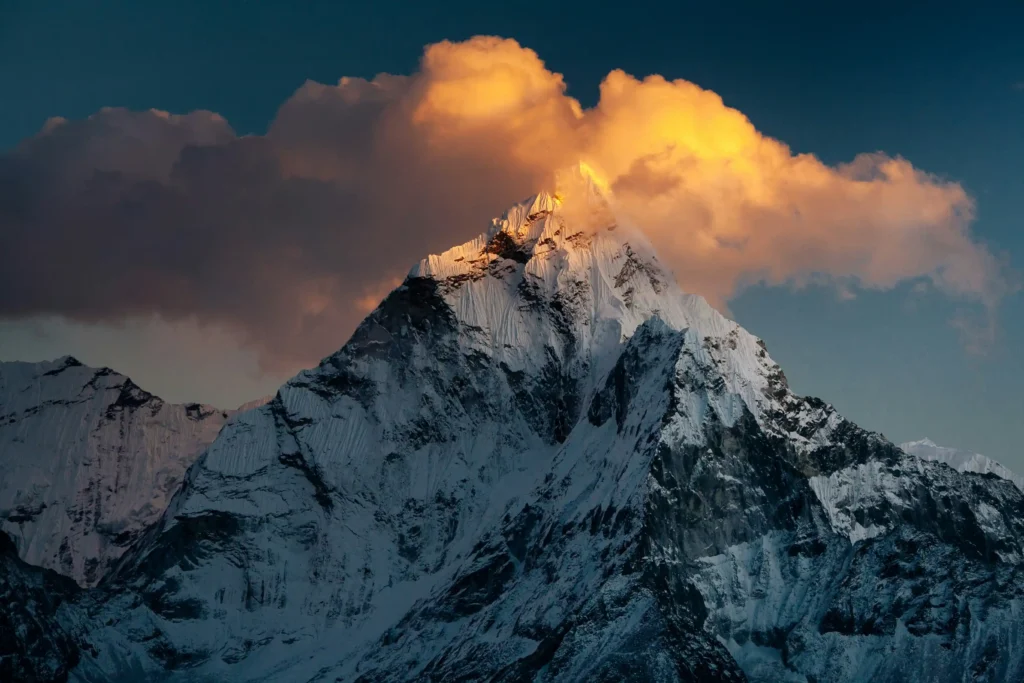
DoT field chief Khimlal Gautam was at Base Camp for it. His read on the day: “From 3 A.M. to 2 P.M. the summit climb went on for 11 hours. It is historic from the Nepal side.”
Historic is accurate. But the framing requires a qualifier. The all-time combined record, both Nepal’s south side and China’s north route, is still 354, set on May 23, 2019. That record stands because China has closed the Tibet route to foreign climbers in 2026. All traffic this season ran through Nepal. That structural constraint is what makes the 274 figure comparable to the Nepal-side 223, not the combined 354.
Read more about the serac that stalled the entire 2026 season.
Why 2026? The North Route Closure Nobody Is Talking About
China closed the Tibet north route to foreign climbers in 2026, concentrating all 495 permitted climbers onto Nepal’s south side, an all-time permit record (Kathmandu Post, 2026). That structural fact is what makes the 274 record possible. Without the Tibet closure, traffic would have split across both routes, and the Nepal-side number would be lower.
The top permit-holding nationalities were China (109), USA (76), and India (61), all funneled into one line.
Nepal raised the permit fee to USD 15,000 in September 2025, up from USD 11,000. It didn’t slow the applications. The 2026 season issued 495 permits, up from the previous record of 479 in 2023. Higher cost, more people. The fee isn’t functioning as a filter. It’s functioning as revenue.
For context on the full season, see our 2026 Everest season coverage.
Kami Rita Summited for the 32nd Time – Then Said Stop
Three days before the record summit day, on May 17, 2026, Kami Rita Sherpa reached the top of Everest for the 32nd time, extending his own world record for most Everest summits (Kathmandu Post, 2026). Then, as deaths mounted during the season, he called on Nepal’s government to limit access.
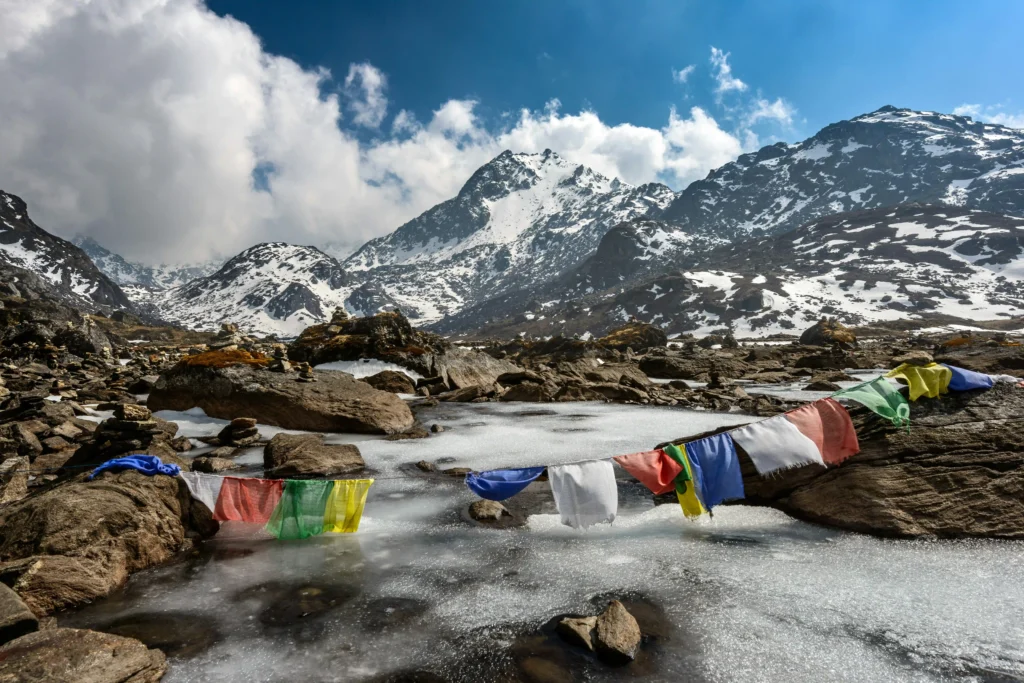
His read on the season: “This expedition was a bit crowded, the number of climbers was high in comparison to last year, the government needs to control it.”
But he’s careful about what “control” means. He’s not calling for a daily head count. “It’s not about limiting the number of climbers on a day basis,” he said. “The government should focus more on the quality of the climbers – the more qualified climbers should be allowed to go.” (ANI News, 2026).
2026 was a season of stacked personal records. Pasang Dawa Sherpa hit his 30th summit. Lakpa Sherpa notched her 11th, extending her women’s record. The mountain produced historic numbers at every level. That makes Kami Rita’s call for restraint harder to dismiss and easier to understand.
Five Deaths in Everest’s Record 2026 Season
Five climbers died on Everest during the 2026 spring season, the same window that produced the record summit day (CBS News, 2026). Across Everest’s full history through December 2025, the mountain has logged 339 deaths across 13,737 total ascents, a rate of approximately 1.06 fatalities per 100 summits (Alan Arnette, 2026). Averages don’t distribute risk evenly. The death zone concentrates it.
Several of the 2026 fatalities occurred on or after the descent from the May 20 summit push. That’s the part the record number doesn’t capture. Getting up is one problem. Getting 274 people back down the same fixed ropes, in order, in the hours after they’ve depleted their oxygen and energy reserves, that’s another problem entirely.
The volume acceleration matters here. From 1921 through 1999, 78 years – 5,584 climbers went above Base Camp. Between 2000 and 2025, that number was 15,781. The mountain hasn’t changed. The traffic has.
Three Records, One Season
The 2026 spring season produced three simultaneous records: 495 permits issued (all-time high), Rs 1.07 billion in revenue (~USD 7.19M, all-time high), and 274 summits in a single day (Nepal-side record) (Kathmandu Post, 2026). The Kathmandu Post called it a triple record. That framing is accurate and worth sitting with for a moment.
Nepal earns its Everest revenue on a per-permit model. USD 15,000 per climber, raised from USD 11,000 in September 2025. The fee increase didn’t reduce permit demand, it increased total revenue while applications held steady or grew. What that tells you about price as a demand lever in this market is worth considering.
The revenue question is worth asking directly, does a USD 15,000 permit fee change who climbs Everest, or just how much Nepal earns from whoever climbs? Based on the 2026 permit numbers, the answer appears to be the latter.
What a Queue at 29,032 Feet (8,849 m) Actually Means
At 274 people on one route in one day, Everest isn’t just a mountain, it’s managed infrastructure. The argument has never really been about whether it’s crowded. It’s about who decides what “enough” looks like, and what standard replaces the permit fee as the filter.
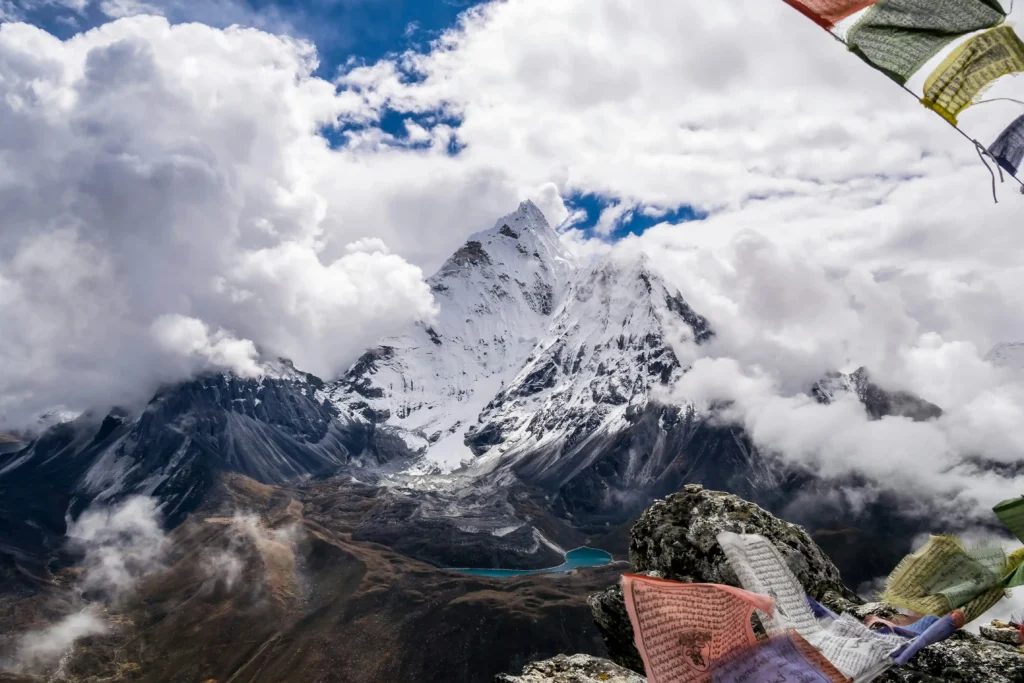
Kami Rita’s framing is precise. Not day limits, qualifications. The permit fee doesn’t test whether you’re ready to be on that mountain. It tests whether you have USD 15,000. Those are different things, and confusing them is where the policy debate keeps getting stuck.
What does it actually feel like to queue in the death zone? You’re above 26,247 feet (8,000 m), hypoxic, dependent on supplemental oxygen, and you’re waiting. You could be waiting for an hour. You could be waiting for longer. The people ahead of you are making decisions about when to move, when to rest, when to turn around and those decisions affect your window. It’s not a mountain anymore. It’s a bottleneck.
The mountain didn’t change. The line did. And every person standing in it paid USD 15,000 for the privilege of waiting.
Frequently Asked Questions
How many people climbed Everest in one day in 2026?
274 climbers summited Everest from Nepal’s south side on May 20, 2026, a new single-day summit record, confirmed by Nepal’s Department of Tourism. The 11-hour summit window ran from 3 a.m. to 2 p.m. local time, with 55 nationalities and 18 expedition companies represented on the mountain that day.
What was the previous record for most people to summit Everest in one day?
The previous Nepal-side record was 223 climbers on May 22, 2019. The all-time combined record, both Nepal and Tibet routes was 354 on May 23, 2019. China closed the Tibet route in 2026, meaning all 2026 traffic went through Nepal’s south side, making the 274 a direct successor to the Nepal-only 223.
How much does it cost to climb Everest in 2026?
Nepal raised the permit fee to USD 15,000 per climber in September 2025, up from USD 11,000. In the 2026 spring season, Nepal issued 495 permits and collected Rs 1.07 billion (~USD 7.19M) in revenue from Everest, both all-time highs (Kathmandu Post, 2026).
How many people have died on Everest in total?
Through December 2025, Everest has recorded 339 total deaths across 13,737 ascents, a rate of approximately 1.06 fatalities per 100 summits (Alan Arnette, 2026). Five climbers died during the 2026 spring season as of May 22, several on descent from the record summit push.
The Number Is 274. The Conversation Is Bigger.
The number is 274. The conversation it starts is bigger than that.
Kami Rita’s argument isn’t radical, it’s just honest. Fewer permits won’t fix overcrowding if unqualified climbers take the spots. The permit fee already proved that money doesn’t equal readiness. What it buys is a place in the line.
The 2026 season set three records and lost five people in the same window. Those two facts don’t cancel each other out. They describe the same mountain, on the same day, from different angles.
Everest will keep setting records. The mountain isn’t going anywhere. The question is what kind of records they are.
Filip Petreski is the founder of AFIELD and a multi-sport outdoor athlete. A two-time national cross-country MTB champion, snowboard instructor, and former dirt bike rider, he writes about the people, gear, and culture worth paying attention to in the outdoor world.