
Most athletes train too hard on easy days and not hard enough on hard days. The result? A grey zone where you’re always a little tired, never fully recovered, and not actually getting faster. Zone 2 training fixes that. Elite endurance athletes spend roughly 80% of their total training time at low intensity, reserving the hard efforts for when they count (Seiler, IJSPP/PubMed, 2010). This guide covers what zone 2 actually is, the science behind why it works, how much you need and why it doesn’t matter whether you’re a runner, a cyclist, a skier, or all three.
Key Takeaways
- Zone 2 sits just below your first lactate threshold, at roughly 70–80% of max heart rate
- Elite athletes log 80% of total training volume in this zone (Seiler, IJSPP/PubMed, 2010)
- Six weeks of dedicated zone 2 increases mitochondrial size by 55% (Lundby lab, University of Zurich, 2018)
- Zone 2 applies to every endurance sport, trail running, cycling, nordic skiing, triathlon, same zone, same adaptation
- Technical and off-road terrain constantly spikes HR out of zone 2, flat roads and controlled surfaces work better for base sessions
What Is Zone 2 Training?
Zone 2 sits immediately below your first lactate or ventilatory threshold, where blood lactate holds steady at roughly 1–2 mmol/L and heart rate runs at about 70–80% of maximum (IJSPP Expert Consensus, PubMed, 2025). A 14-scientist panel confirmed this definition in early 2025. It’s the highest intensity you can sustain entirely on aerobic metabolism, before lactate starts accumulating meaningfully.
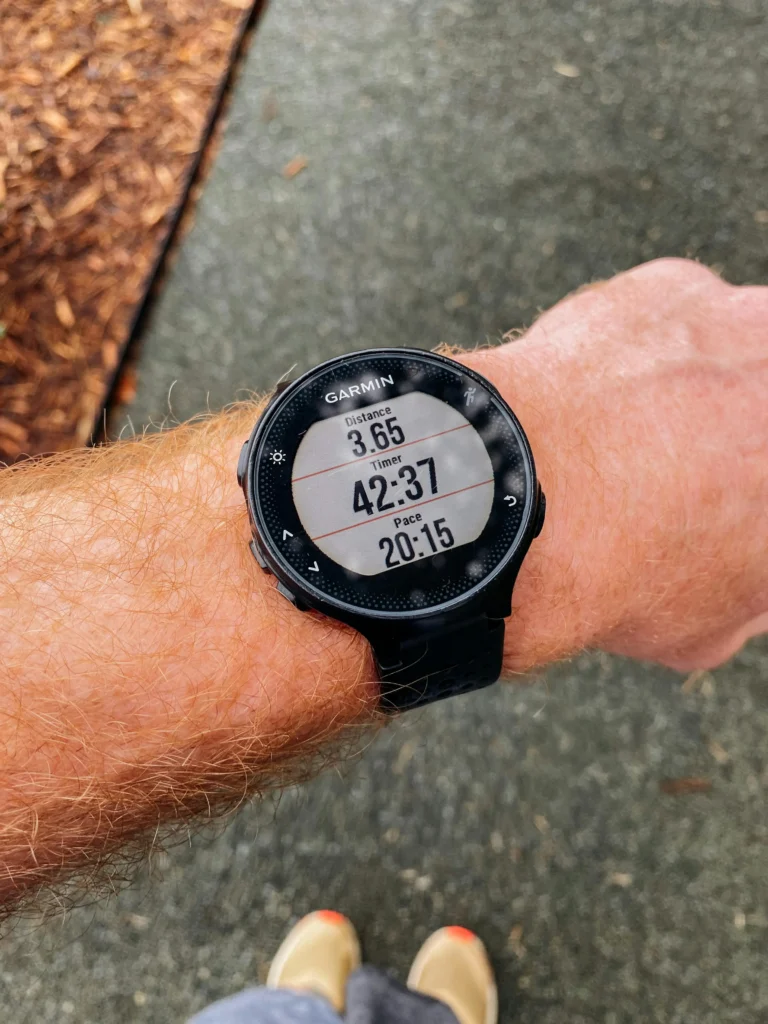
In practice, zone 2 feels easy. Almost too easy. You can hold a full conversation without gasping. You can breathe in and out through your nose for the entire effort. The Maffetone formula gives a simple HR ceiling: 180 minus your age. For a 30-year-old, that’s 150 bpm. For a 35-year-old, it’s 145 bpm. These numbers aren’t perfect, but they’re a solid starting point if you don’t have lab data.
One nuance worth knowing: peak fat oxidation, called FatMax, actually falls about 25% below VT1 in trained cyclists (PMC/Frontiers, April 2025). So zone 2 and your maximum fat-burning intensity aren’t the same thing. You don’t need to go slower to burn more fat. Zone 2 is the ceiling for aerobic base work, not a fat-burning sweet spot.
Why Zone 2 Works: The Science
Zone 2 produces outsized aerobic adaptations because low-intensity work done consistently is what drives mitochondrial development. Six weeks of four 60-minute zone 2 sessions per week increased mitochondrial size by 55% and citrate synthase activity by 44% in research from the Lundby lab at the University of Zurich (Healthspan/Lundby lab, 2018/2024). That’s a massive structural shift from work that doesn’t even feel hard.
A broader 2022 meta-analysis of 20 randomized controlled trials with 428 participants found mitochondrial volume density increased between 19% and 92% with endurance training, with a large effect size of SMD=4.78 (IJMS/PMC, 2022). The range is wide because baseline fitness matters. Less trained athletes adapt faster.
Here’s what most articles miss: the reason zone 2 drives these adaptations isn’t that it’s somehow magical. It’s that you can do a lot of it without accumulating stress that requires days to recover from. A two-hour zone 2 ride costs you far less recovery than a 45-minute interval session. That means you can stack volume week after week without digging a hole. The adaptations compound.
How Much Zone 2 Do You Actually Need?
The target for most serious athletes is 300–400 minutes per week of zone 2 work, structured across four sessions of 60–90 minutes each. Dr. Iñigo San Millán, who coaches Tour de France riders, recommends this range and notes that elite athletes typically spend 60–75% of their total training time in zone 2 (Peter Attia MD, 2023). For recreational athletes, 2–3 sessions per week of 45–90 minutes is a realistic and effective target.
The 80/20 split is backed by decades of data on elite endurance athletes. A 2024 meta-analysis confirmed that polarized training, which emphasizes this split, outperformed other intensity distributions for VO2peak gains, with an overall effect size of SMD=0.24 and SMD=0.46 for highly trained athletes specifically (PMC meta-analysis, 2024). The hard days work better when the easy days are genuinely easy.
So what does a realistic week look like? Two zone 2 sessions of 60–75 minutes each, one short hard session (intervals or tempo), and one longer aerobic ride on the weekend. That’s it. You don’t need to train like a pro to get pro-level adaptations from this structure.
Zone 2 Is Sport-Agnostic – It Works for Every Discipline
Zone 2 isn’t a cycling method. It’s not a running method. It’s a physiological state and it applies equally to trail runners, road cyclists, nordic skiers, triathletes, and rowers. The mitochondrial adaptation is identical across all of them. Trail runners call it “easy aerobic miles.” Nordic skiers call it “base skiing.” Cyclists call it “junk miles” when they’re not doing it right. Same zone, same science, same result.
What changes between sports is the modality, not the biology. A trail runner does their zone 2 work on flat road or a smooth track. A cyclist uses the road or a trainer. A nordic skier rolls on flat terrain or uses a roller ski setup. The common thread: controlled, consistent terrain that lets you hold your heart rate steady. That’s the whole point.

Off-road and technical terrain are a different story. Whether you’re on a mountain bike trail, a rooted singletrack run, or a bumpy backcountry ski line, the terrain forces HR spikes whether you want them or not. A steep climb pushes you into zone 4. A technical descent has you bracing. The result is a mixed-intensity session, not a zone 2 session. That’s fine. But don’t count it as base work.
I learned this during early season base blocks. My zone 2 sessions happened almost entirely on asphalt, long flat road rides, easy morning runs on pavement. Not glamorous. Not the stuff you post. But that’s exactly where the base gets built. The trails and the technical riding came later in the season, once the aerobic foundation was already there. Zone 2 first. Everything else on top of it.
Worth knowing: A July 2025 narrative review in Sports Medicine found that current evidence does not support zone 2 as the single optimal intensity for mitochondrial adaptations, particularly for already-trained athletes (Sports Medicine/PubMed, 2025). This matters for multi-sport athletes especially: your mixed-intensity trail runs, ski tours, and technical rides still contribute to aerobic development. Zone 2 blocks are most valuable as structured base-building phases, not as a permanent training mode.
FAQ
Can I do zone 2 on a stationary bike or treadmill?
Yes, and for zone 2 specifically, indoor training works very well. A stationary bike or treadmill lets you hold a precise power output or pace without terrain interruptions spiking your heart rate. TrainingPeaks recommends indoor sessions for athletes who struggle to maintain zone 2 on hilly outdoor routes. The adaptation is the same. Convenience is a feature.
How long before I see results from zone 2 training?
You’ll notice subtle improvements within 2–4 weeks: lower heart rate at the same pace, faster recovery between efforts. Meaningful structural gains take longer. The Lundby lab research showed significant mitochondrial adaptations at the 6-week mark (Lundby lab, University of Zurich, 2018). Full aerobic base development typically takes 12 weeks of consistent work. Don’t rush it.
What’s the difference between zone 2 and active recovery?
Active recovery sits below zone 2, typically under 60% of max heart rate, at an effort level where you’re moving but generating almost no training stress. Zone 2 is actual training: it drives mitochondrial and metabolic adaptations. Active recovery accelerates clearing of metabolic byproducts between hard sessions. They’re not interchangeable. Zone 2 on a recovery day defeats the purpose of a recovery day.
Conclusion
Zone 2 isn’t sexy. It doesn’t feel like training. That’s exactly why it works, and exactly why most people underdo it. Build the base with consistent, easy aerobic work and the hard days get harder in the best way. For mountain bikers especially, the trail isn’t always your best zone 2 tool. Use gravel for the base, trails for the shred.
Follow AFIELD on Instagram to know when we publish new content and check out more articles in the Health category when you’re ready to go deeper.

Filip Petreski is the founder of AFIELD and a multi-sport outdoor athlete. A two-time national cross-country MTB champion, snowboard instructor, and former dirt bike rider, he writes about the people, gear, and culture worth paying attention to in the outdoor world.